Spain’s PM says no evidence ‘whatsoever’ Morocco behind Ceuta border breach
Source Entity
Stephen Burgen in Barcelona
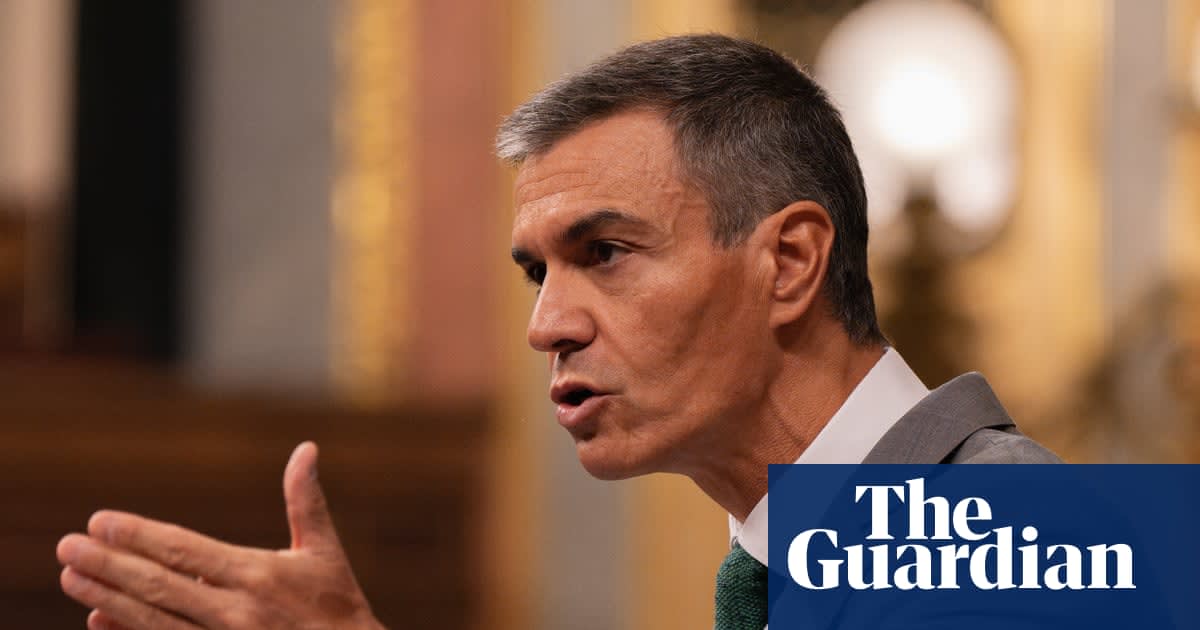
Spanish Prime Minister Pedro Sánchez has firmly denied any evidence that Morocco orchestrated a mass border breach in Ceuta. He asserted that no international or domestic institution has provided proof of Moroccan state involvement in the incident.
The Ceuta Border Crisis: A Diplomatic Clarification
Spanish Prime Minister Pedro Sánchez has issued a definitive statement regarding the mass border breach that occurred in the North African territory of Ceuta. Addressing the Spanish parliament, Sánchez asserted that there is no evidence "whatsoever" to suggest that the Moroccan government planned or facilitated the influx of thousands of individuals. This statement serves as a significant attempt to de-escalate tensions surrounding one of Spain's most sensitive geopolitical borders.
Contesting the Narrative
The Prime Minister’s remarks were delivered in response to a contentious police report that had circulated widely in the media. This report, commissioned by a judge, alleged that Moroccan border forces had actively assisted approximately 70,000 individuals in crossing the border during late July. The discrepancy between this judicial report and the government's official stance highlights a growing tension between domestic security narratives and the diplomatic realities of managing relations with a key North African neighbor.
Institutional Vetting and Diplomatic Integrity
Sánchez emphasized the lack of corroboration from critical international bodies. By explicitly mentioning that the diplomatic service, the European Commission, and other international organizations have failed to provide solid evidence of Moroccan state involvement, the Prime Minister is attempting to maintain a policy of neutrality. This strategic move suggests that the Spanish government is wary of allowing localized border incidents to spiral into a broader diplomatic crisis that could jeopardize critical security and migration cooperation between Spain and Morocco.
Domestic Political Pressure
The context of these remarks is further complicated by the domestic political climate in Spain. The Prime Minister spoke to parliament just one day after significant public demonstrations in Madrid, where roughly 50,000 people marched to protest his administration's handling of the situation. This protest underscores the political vulnerability of the current government, which faces pressure from both the public and legal entities to reconcile conflicting reports regarding border security and foreign interference.
Implications for Future Border Management
Looking ahead, this event underscores the fragile nature of managing the Ceuta and Melilla enclaves. These territories represent the only land borders between the European Union and the African continent, making them high-stakes zones for migration policy. The Spanish government's insistence on the lack of evidence of Moroccan state involvement suggests a preference for diplomatic stability over confrontation, though the existence of the police report indicates that domestic authorities remain deeply divided on the underlying causes of these mass migration surges.
Conclusion
In summary, the Spanish government is navigating a complex web of judicial claims and diplomatic necessities. While the Prime Minister remains steadfast in his denial of Moroccan facilitation of the border breach, the incident has clearly exposed systemic challenges in how such crises are investigated and reported. Moving forward, the Spanish administration must balance the need for transparency with the imperative of maintaining stable relations with Morocco to secure these vital European border points.