Supreme Court asks NHAI to consider setting up CCTVs, monitoring rooms at toll plazas
Source Entity
India Latest News: Top National Headlines Today & Breaking News | The Hindu
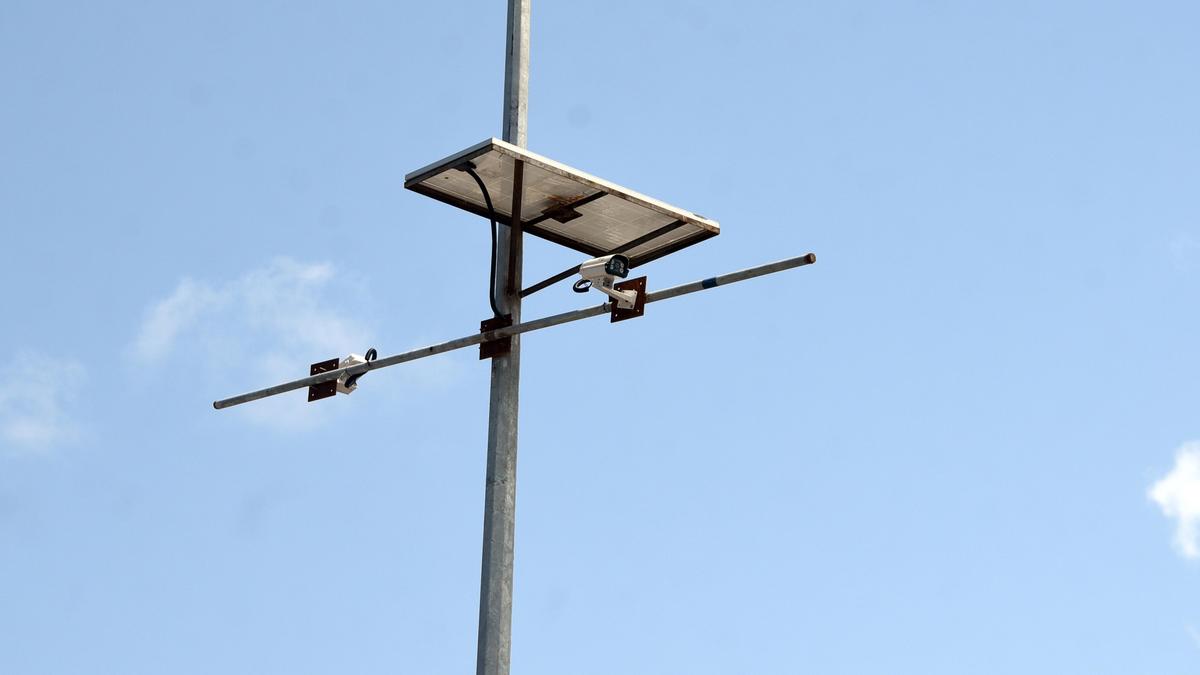
The Supreme Court has directed the NHAI to install CCTV surveillance and monitoring rooms at toll plazas to reduce highway hazards. This initiative follows a suo motu case triggered by two major accidents in 2025 that resulted in 34 fatalities.
Supreme Court Mandates Enhanced Highway Surveillance
In a significant legal intervention, the Supreme Court of India has directed the National Highways Authority of India (NHAI) to evaluate the installation of comprehensive CCTV surveillance systems and dedicated monitoring rooms at toll plazas. This judicial directive, issued by a Bench comprising Justices Vikram Nath and Sandeep Mehta, marks a proactive step toward mitigating the rising dangers of highway travel, specifically targeting the persistent issues of illegal encroachments and hazardous stationary vehicles that frequently obstruct traffic flow.
The Catalyst: Addressing National Road Safety Tragedies
The court’s intervention is not a speculative measure but a response to a grim reality. The proceedings are centered on a suo motu case initiated following two catastrophic road accidents that occurred in November 2025. These tragedies, which took place in the Phalodi district of Rajasthan and the Rangareddy district of Telangana, resulted in a combined loss of 34 lives. By taking cognizance of these events, the judiciary is highlighting the systemic failures that allow highways to become death traps.
Constitutional Obligations and the Right to Life
Central to the Supreme Court's stance is the interpretation of Article 21 of the Constitution, which guarantees the right to life. In a prior ruling issued in April, the court explicitly held that the safety of highway users is an inseparable component of this fundamental right. By framing road safety as a constitutional duty, the court has placed a positive obligation on the State and its agencies, such as the NHAI, to prevent avoidable accidents through better infrastructure management and oversight.
Challenges: Encroachments and Stationary Hazards
The primary focus of the court’s concern rests on the operational hazards found on Indian highways. Stationary vehicles and unauthorized encroachments near toll plazas are major contributors to high-speed collisions. The proposed implementation of CCTV networks and centralized monitoring rooms is intended to act as a real-time regulatory tool, allowing authorities to detect obstructions immediately and enforce road safety protocols more effectively than traditional patrolling methods.
Future Implications for Highway Infrastructure
This directive signals a shift toward a more technologically integrated approach to road safety. If effectively implemented, the NHAI’s monitoring infrastructure could set a new standard for highway management, transforming toll plazas from mere collection points into hubs of traffic surveillance and safety enforcement. This move aligns with broader efforts to leverage technology to reduce the high incidence of road fatalities across India’s growing network of national highways.
Conclusion
The Supreme Court's insistence on surveillance at toll plazas represents a critical intersection of judicial oversight and public safety policy. By holding the NHAI accountable for the conditions of the roadways, the court is reinforcing the message that infrastructure development must be matched by a rigorous commitment to user safety. The success of this initiative will ultimately depend on the technical execution and the commitment of the NHAI to enforce the safety mandates laid out by the bench.
Verification Required?