FIR lodged against 108 ambulance staff as patient dies due to lack of oxygen
Source Entity
Latest News: Today's Latest News Headlines from India & World | Hindustan Times | Hindustan Times
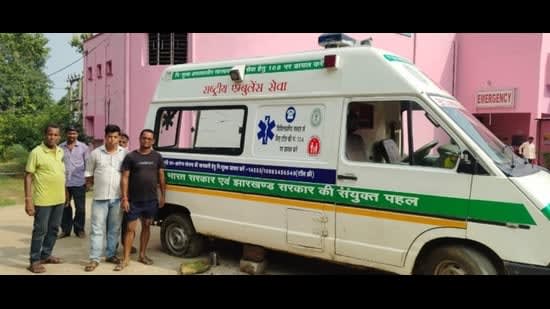
An FIR has been lodged against 108 ambulance staff in East Singhbhum after a 65-year-old patient died due to an absent oxygen cylinder. Investigations revealed that only two of the district's 14 ambulances are currently equipped with oxygen.
Negligence and Systemic Failure in Ambulance Services
A tragic incident in East Singhbhum district has highlighted a severe breakdown in critical emergency medical infrastructure. The death of a 65-year-old patient, who succumbed while being transported to the Patamda Community Health Centre, has been directly linked to the absence of a life-saving oxygen cylinder in a 108 emergency ambulance. This event has triggered a formal police investigation, with an FIR lodged against the service-cum-cluster leader, the driver, and the technician involved.
Accountability and Legal Action
The legal response has been swift, with charges filed under section 106(1) of the Bharatiya Nyaya Sanhita (BNS) for death due to negligence. By targeting the specific staff members—Alok Kumar, Nilesh Kumar, and Sujit Kumar—the authorities are enforcing accountability for the failure to ensure basic medical readiness. Furthermore, the district civil surgeon, Dr. Sahir Pal, has issued a show-cause notice to the service provider, Samanya Foundation, signaling that the administration is looking beyond individual staff errors toward potential organizational negligence.
The Crisis of Medical Readiness
Perhaps the most alarming revelation following this incident is the state of the wider fleet. It has emerged that out of 14 functional 108 ambulances in the East Singhbhum district, only two are equipped with oxygen cylinders. This statistic suggests a systemic failure in resource allocation and maintenance protocols. In emergency medical services, the 'golden hour' is critical, and the lack of basic equipment like oxygen renders the ambulance service ineffective, effectively turning a transport vehicle into a site of preventable tragedy.
Broader Implications for Public Health
This incident raises significant concerns regarding the oversight of outsourced public health services in India. When government-mandated services like the 108 emergency line are managed by private agencies like the Samanya Foundation, the responsibility for quality control remains a complex challenge for district health authorities. The disparity between the number of functional ambulances and those actually equipped for emergencies indicates a lapse in regular audits and supply chain management.
Future Trends and Necessary Reforms
Moving forward, the East Singhbhum health administration will likely face immense pressure to overhaul its emergency response protocols. To prevent future fatalities, authorities must implement mandatory daily checklists for ambulance equipment, ensuring that life-saving gear is never absent during patient transfers. This tragedy serves as a grim reminder that infrastructure is only as effective as its maintenance, and that rigorous monitoring of private service providers is essential to maintaining public trust in emergency health systems.
Verification Required?