Twins in first pregnancy no reason to deny maternity leave again: Telangana High Court
Source Entity
Vineet Upadhyay
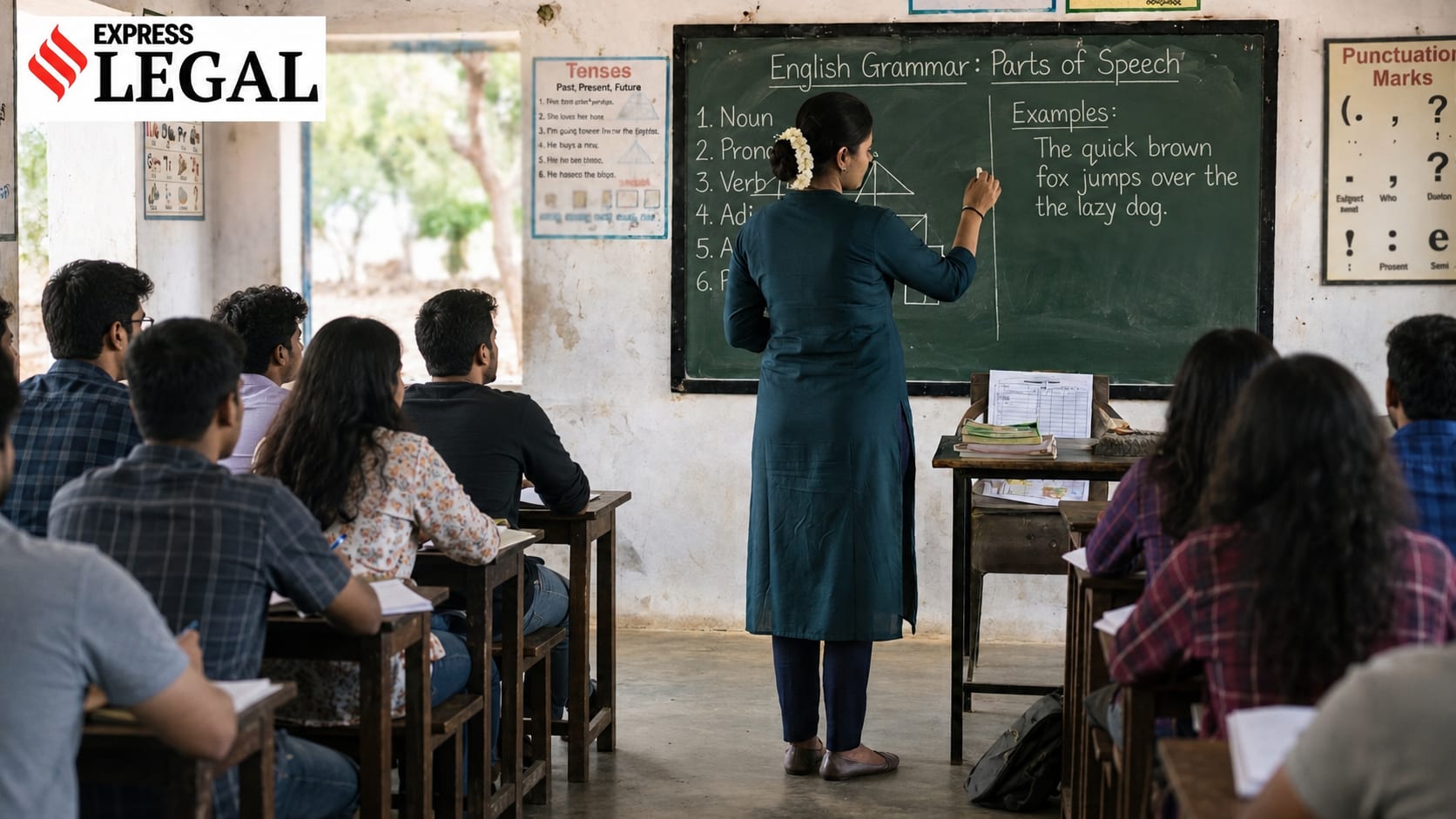
The Telangana High Court ruled that maternity leave cannot be denied for a second pregnancy simply because the first resulted in twins. The court emphasized that biological events are beyond human control and should not infringe upon a woman's fundamental rights.
Telangana High Court Upholds Maternity Rights in Landmark Ruling
In a significant legal development, the Telangana High Court has delivered a verdict that reinforces the protective framework surrounding maternity benefits for working women. Justice K Sarath, presiding over the case of Jadi Swarupa Rani, a government lecturer with the Telangana Social Welfare Residential Educational Institutions Society (TGSWREIS), addressed a critical grievance regarding the denial of maternity leave. The petitioner had been denied 180 days of leave for her second pregnancy because authorities counted the twins from her first delivery as two separate children, effectively triggering administrative restrictions that disqualified her from further benefits.
The Intersection of Biology and Bureaucracy
The core of this dispute lies in the rigid application of state service rules, which often fail to account for the complexities of human biology. By classifying the birth of twins as equivalent to two distinct instances of childbirth, the authorities attempted to limit the petitioner's rights. However, the High Court’s intervention highlights a necessary evolution in how administrative bodies interpret 'childbirth.' The court explicitly noted that the birth of a single child versus twins is a biological event entirely outside the mother's control, and therefore, it cannot be weaponized to strip away statutory protections.
Protecting Fundamental Rights
This ruling is deeply rooted in the protection of fundamental rights under the Indian Constitution. The court’s logic suggests that denying maternity leave based on a biological happenstance is not merely an administrative error, but a violation of a woman's right to maternity benefits designed to ensure health and well-being. By invalidating the restrictive interpretation used by TGSWREIS, the judiciary has signaled that employment policies must be interpreted in a way that is humane, equitable, and gender-sensitive.
Broader Implications for Working Mothers
This decision carries significant implications for female employees across various sectors in India. Many state-level service rules contain clauses regarding the number of surviving children, which are intended to align with population control policies. However, this precedent ensures that such policies cannot be applied in a way that penalizes mothers for multiple births. It provides a legal shield for women, preventing employers from using birth outcomes as a basis for denying leave, thereby fostering a more supportive professional environment.
Future Trends and Judicial Precedent
Looking ahead, this verdict is likely to serve as a cornerstone for future litigation involving maternity benefits. As more women participate in the workforce, the conflict between rigid government service rules and the realities of reproductive health will likely continue to surface. Judicial bodies are increasingly prioritizing the spirit of the law—which is to protect the mother and child—over the technical, often outdated, interpretations of administrative manuals. This judgment sets a clear, enforceable standard that will force institutions to revise their policies to be more inclusive and legally compliant.
Concluding Summary
In summary, the Telangana High Court’s ruling serves as a vital affirmation of maternity rights. By holding that a biological event such as the birth of twins cannot be used to deny benefits, the court has effectively bridged the gap between rigid administrative rules and the fundamental rights of working women. This decision stands as a testament to the judiciary's role in ensuring that maternal health is prioritized over bureaucratic technicalities, ultimately strengthening the rights of mothers in the Indian workforce.