How Bata survived India’s liberalisation
Source Entity
Nikita Mohta
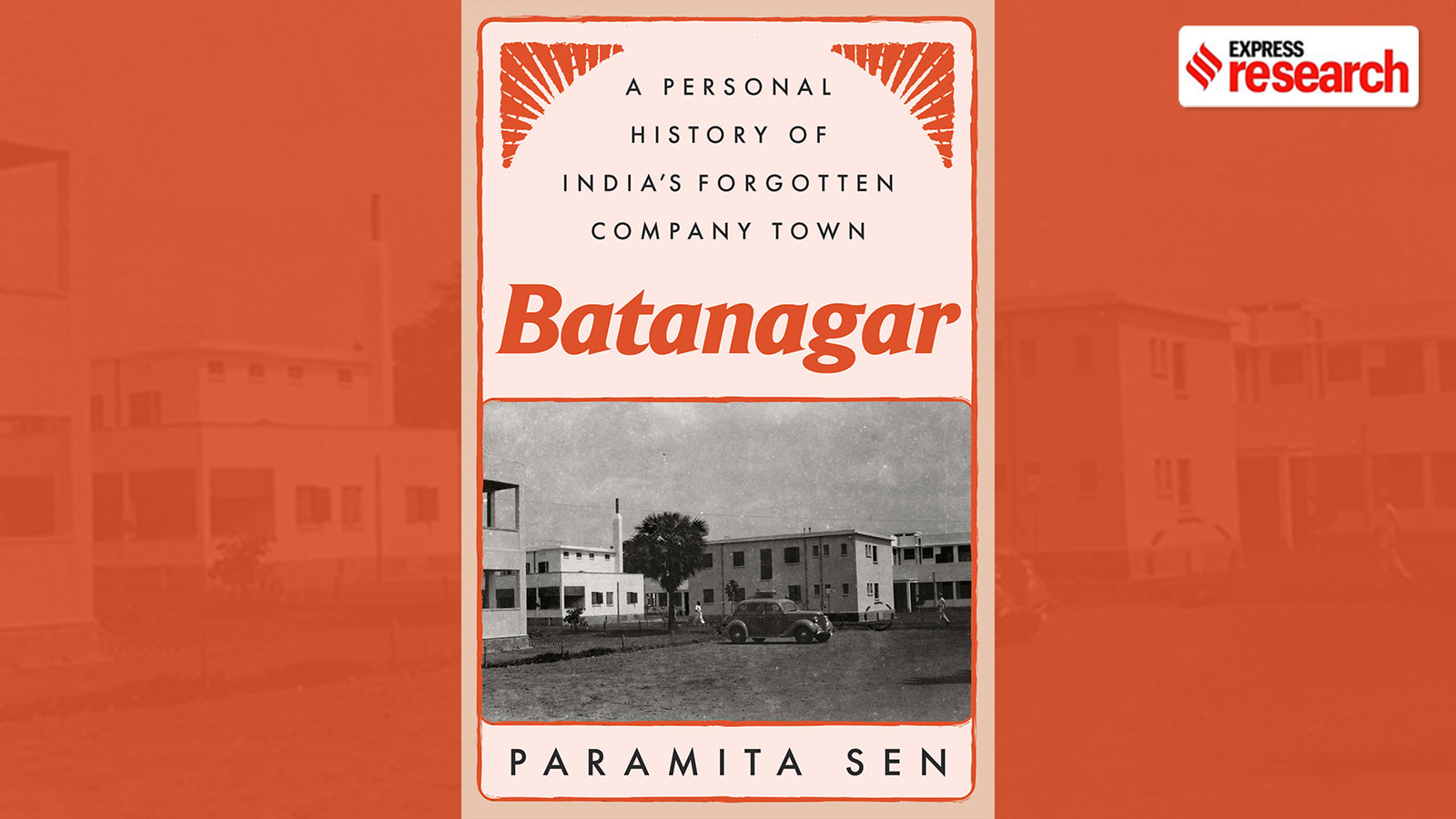
Paramita Sen's upcoming book, 'In Batanagar', explores the unique socio-cultural legacy of the Bata company township in West Bengal. The narrative highlights how the brand fostered a sense of community that transcended traditional Indian barriers.
The Legacy of Batanagar: A Microcosm of Industrial India
Bata, a brand so deeply embedded in the Indian retail landscape that many mistake it for a domestic entity, serves as the centerpiece of Paramita Sen’s upcoming book, In Batanagar: A Personal History of India’s Forgotten Company Town (Pan Macmillan India, 2026). While the company is historically rooted in European origins, its impact on the Indian social fabric is profound, particularly through the establishment of company townships that functioned as self-contained social ecosystems.
The Anatomy of a Company Town
Sen’s narrative, drawn from her personal upbringing in the Batanagar colony in West Bengal, offers a rare glimpse into the mid-20th-century industrial model in India. Unlike standard urban developments, these townships were designed to bridge the gap between labor and management through shared living spaces. The Batanagar colony provided more than just housing; it created a unique cultural milieu where language, geography, and social status were secondary to the shared identity of the 'Bata family.'
Beyond the Shop Floor
What sets this analysis apart is the focus on the human element of corporate history. Sen articulates that the charm of Batanagar was not merely the logistical ease of living, but the creation of a 'palpable, strong sense of community.' This suggests that Bata’s success in India was not solely due to its footwear market dominance, but its ability to foster an institutional culture that instilled a lasting sense of belonging among its employees and their families.
Historical Context and Resilience
The book arrives at a critical juncture to document the survival strategies of legacy firms during India’s post-liberalization era. By examining the 'forgotten' history of these colonies, Sen provides context on how multinational entities successfully localized their operations. The township became a laboratory for social integration, allowing a foreign brand to become a household name by embedding itself into the daily lives of its workers.
Future Trends and Cultural Preservation
As India continues to modernize, the relevance of these industrial townships is shifting. Sen’s work serves as a historical repository, ensuring that the social nuances of such communities are not lost to time. Her perspective highlights an era where corporate life was synonymous with community life—a stark contrast to the transactional nature of modern employment. Ultimately, In Batanagar provides a lens through which we can understand how industrial history shapes modern cultural identity.