Ludhiana: PSPCL field staffers to get 10k safety tool kits
Source Entity
Latest News: Today's Latest News Headlines from India & World | Hindustan Times | Hindustan Times
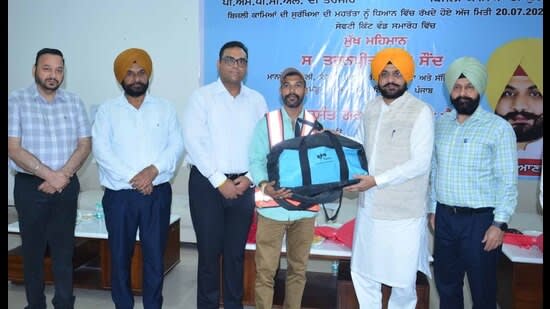
Punjab Power Minister Tarunpreet Singh Sond has launched the distribution of 10,500 safety tool kits to PSPCL field staff. This ₹12.60 crore initiative aims to enhance workplace safety for linemen and field workers operating in challenging conditions.
Enhancing Workplace Safety for Punjab's Power Infrastructure
In a significant move to bolster the occupational safety of frontline power utility workers, Punjab Power Minister Tarunpreet Singh Sond recently inaugurated the distribution of 10,500 safety tool kits to employees of the Punjab State Power Corporation Limited (PSPCL). The initiative, valued at ₹12.60 crore, represents a proactive investment in the welfare of the workforce responsible for maintaining the state's power grid. The official launch ceremony took place at the PSPCL office in Sarabha Nagar, Ludhiana, with key leadership present, including PSPCL chairman-cum-managing director Basant Garg and director (distribution) Inderpal Singh.
The Importance of Frontline Protection
Linemen, assistant linemen, and field staff form the backbone of the electricity distribution network, often operating in hazardous conditions to ensure that the public receives an uninterrupted power supply. Given the nature of electrical infrastructure work, which involves high-voltage environments and physically demanding labor, the introduction of standardized, high-quality safety gear is a critical intervention. By providing these kits, the PSPCL aims to reduce workplace accidents and ensure that personnel are equipped with the necessary tools to perform their duties safely, regardless of the seasonal challenges they face.
Strategic Investment and Policy Impact
Allocating ₹12.60 crore toward safety equipment reflects a shift in administrative priority toward employee health and safety. The presence of senior leadership at the distribution event in Ludhiana underscores the importance that the current government places on the operational readiness of the PSPCL. This investment is not merely about physical tools; it is a signal of the commitment to modernize the working conditions of the state's utility sector, which is essential for maintaining the stability of Punjab's power grid.
Addressing Operational Challenges
Field staff in the power sector often navigate unpredictable weather conditions and aging infrastructure. Minister Sond emphasized that the dedication of the staff throughout the year is vital for the state's energy security. By investing in these 10,500 kits, the government is acknowledging the inherent risks of the job and providing a layer of protection that was previously deemed insufficient. This move is expected to boost morale among the workforce, who are frequently the first responders during power outages and grid failures.
Future Trends in Utility Safety
This initiative could set a precedent for other public sector undertakings in India to re-evaluate their safety protocols. As the demand for electricity grows, the pressure on field staff increases, making the standardization of safety equipment a long-term necessity. Future trends in this sector will likely involve not only the provision of gear but also advanced training and the integration of smart tools to monitor worker safety in real-time. The current efforts in Ludhiana serve as a foundational step toward a safer, more efficient operational framework for the PSPCL and its employees.
Conclusion
The distribution of 10,500 safety kits by the PSPCL is a commendable step toward professionalizing the safety standards for power sector employees in Punjab. By prioritizing the health and safety of linemen and technical staff, the government is ensuring the long-term sustainability of the state's power infrastructure. This initiative highlights the critical balance between maintaining public utilities and safeguarding the human capital that makes such essential services possible.
Verification Required?