How Sonam Wangchuk Was Whisked Away By Cops In Civilian Clothes
Source Entity
NDTV News Search Records Found 1000
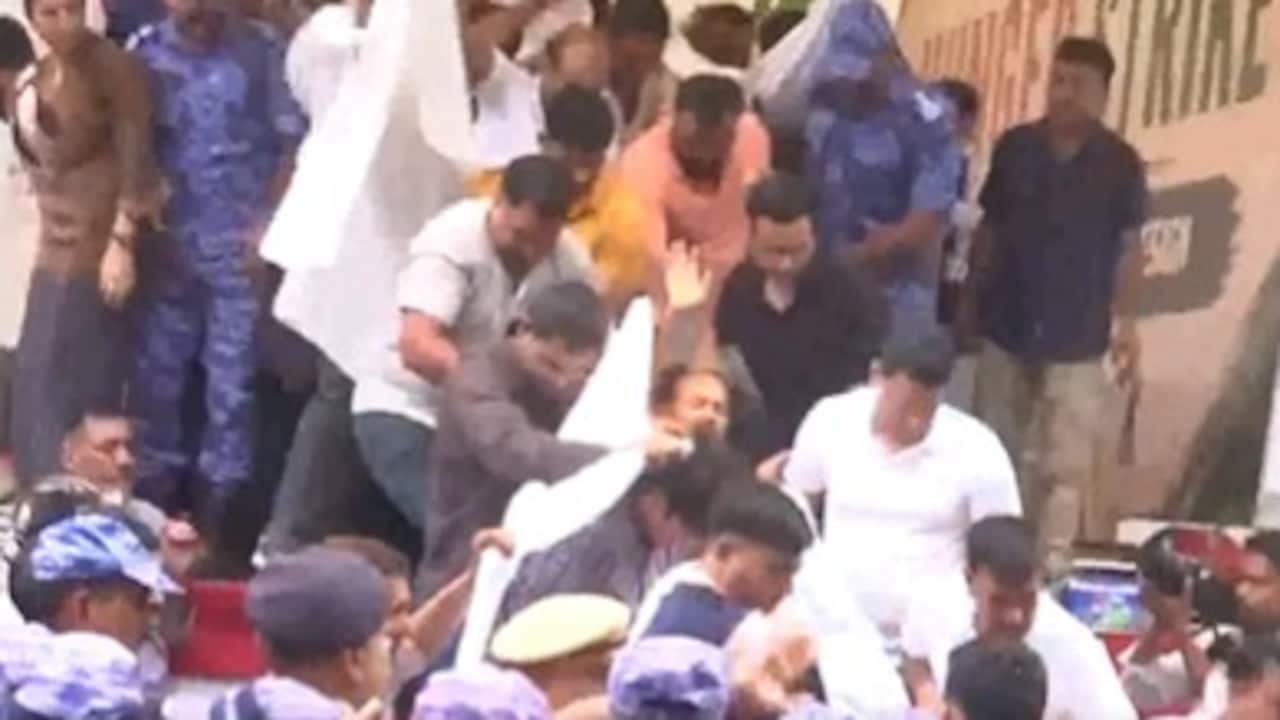
Climate activist Sonam Wangchuk has been shifted to Safdarjung Hospital following a 21-day hunger strike. His hospitalization follows Delhi High Court orders amid rising tensions and allegations of police force against protesters.
The Hospitalization of Sonam Wangchuk: A Critical Juncture
On July 18, 2026, climate activist and educator Sonam Wangchuk was moved by the Delhi Police to Safdarjung Hospital. This development occurred as his indefinite hunger strike reached its 21st day, a protest that has garnered significant public attention and sparked a broader debate regarding the intersection of civil dissent and state intervention in the capital. The Delhi Police, acting under the directives of the Delhi High Court and expert medical advice, cited the necessity of 'essential medical care' due to the rapid deterioration of Mr. Wangchuk's health.
The Context of Prolonged Protest
The decision to hospitalize Mr. Wangchuk serves as a focal point for the ongoing demonstrations at Jantar Mantar. For over three weeks, the activist remained on a hunger strike, a form of non-violent protest deeply rooted in historical traditions of civil disobedience. As the strike entered its third week, the strain on his physical health necessitated immediate medical oversight. This event highlights the precarious nature of long-term hunger strikes in urban centers, where state authorities must balance the right to protest with the duty to preserve life.
Allegations and Public Tensions
The situation has been further complicated by allegations of excessive force at the protest site. The 'Cockroach Janta Party' has publicly accused the Delhi Police of lathi-charging students at Jantar Mantar, suggesting that the atmosphere surrounding the protest has become increasingly volatile. These claims of police misconduct, coupled with the detention of individuals like Abhijeet Dipke, underscore the mounting friction between demonstrators and law enforcement agencies.
Family Concerns and Medical Autonomy
Amidst the administrative and police actions, the family of Mr. Wangchuk, represented by his wife Gitanjali J. Angmo, has expressed significant concern regarding his medical treatment. Ms. Angmo has explicitly requested that no oral or intravenous substances be administered to the activist without the prior consent of his family and personal medical team. This demand emphasizes the importance of patient autonomy, especially when an individual is in state custody or under the supervision of state-mandated medical facilities.
The Intersection of Satire and Activism
Interestingly, the protest has gained momentum through unique channels, with the 'Cockroach Janta Party' evolving from a social media satire account into a significant mobilizer of dissent. This transformation reflects a modern trend in Indian activism, where digital platforms are leveraged to amplify grassroots concerns. The shift from online discourse to physical protest at Jantar Mantar demonstrates the power of digital connectivity in organizing real-world political pressure.
Future Implications and Conclusion
As Mr. Wangchuk remains under medical supervision, the future of the protest remains uncertain. The hospitalization marks a critical point where the focus shifts from the demands of the hunger strike to the immediate health and safety of the activist. Moving forward, the government's response to the protesters' demands, along with the resolution of allegations regarding police conduct, will likely dictate the longevity and impact of this movement. The situation remains a litmus test for the democratic space allowed for peaceful protest within the nation’s capital.
Multiple Citing Sources
Verification Required?