
The conversation around longevity just shifted. For years, the wellness industry peddled a simplistic narrative: take a pill, slow the clock. But this month, the focus has pivoted from mere preservation to a radical Mitochondrial Reset. We are no longer talking about just adding nutrients to a failing system; we are talking about the aggressive removal of cellular debris and the forced regeneration of the mitochondria. Why settle for a flickering candle when you can overhaul the entire power grid? This isn't about avoiding death; it is about optimizing the very machinery of life at a sub-cellular level.
The delta between where we stood twelve months ago and today is staggering. In 2023, the market was flooded with generic NAD+ precursors and hope. Consumers bought NMN and NR blindly, hoping for a systemic lift without knowing if their cellular receptors were even primed for uptake. Today, the approach is surgical. We have moved from shotgun supplementation to precision triggers that induce mitophagy—the body's internal quality control mechanism that identifies and digests damaged mitochondria. The shift is from 'more energy' to 'cleaner energy,' a distinction that separates amateur biohacking from clinical longevity science.
The Mitophagy Breakthrough: Clearing the Cellular Sludge
Recent data on Urolithin A has catalyzed a new understanding of how we handle cellular stress. This metabolite, produced by the gut microbiome from ellagitannins found in pomegranates, does not simply boost energy; it triggers the autophagy of dysfunctional mitochondria. When mitochondria degrade, they leak electrons and produce excessive reactive oxygen species (ROS), which act like corrosive acid on the rest of the cell. By forcing the cell to prune these dead branches, we see a dramatic restoration of muscle function and metabolic flexibility. This is the biological equivalent of clearing a clogged exhaust pipe to allow an engine to breathe again.
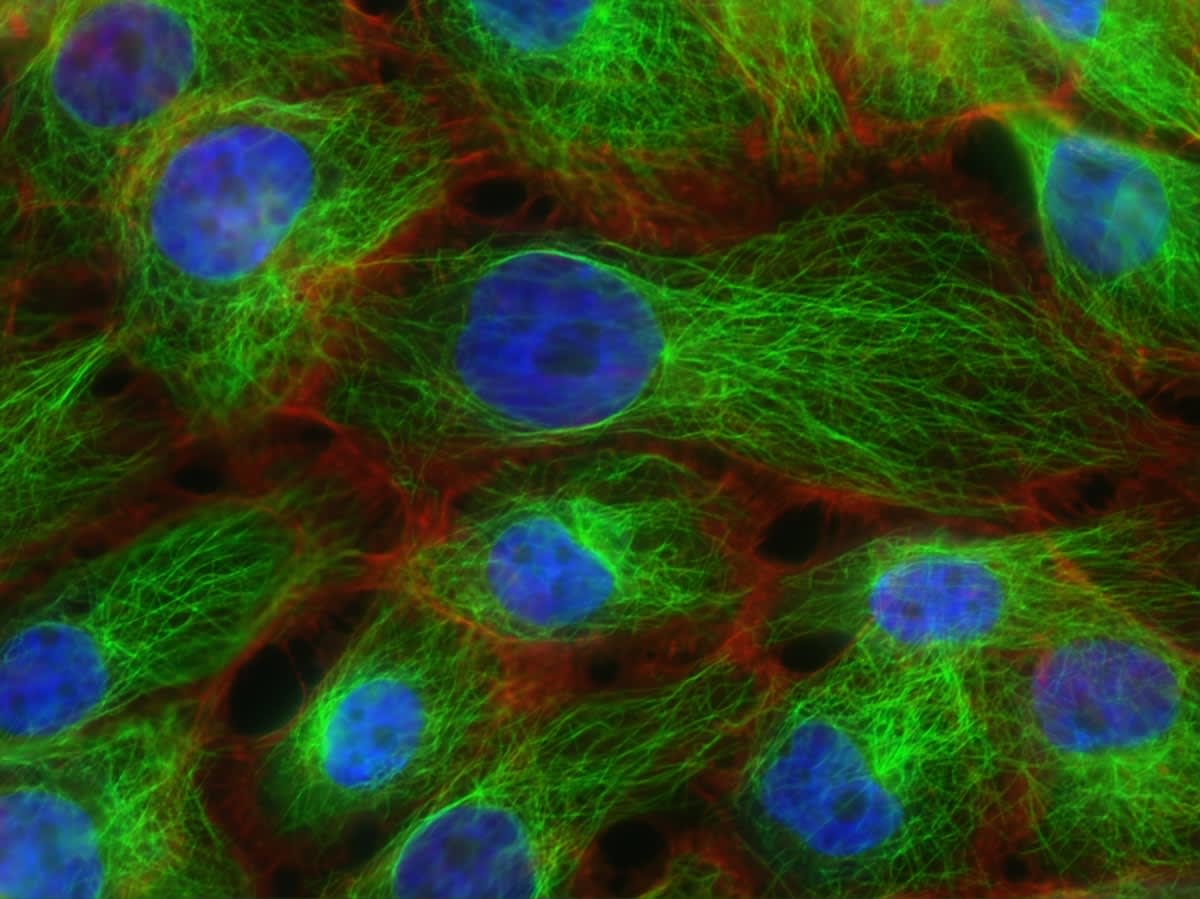
The impact is not localized to a single demographic. In high-performance clinics across Zurich and Tokyo, practitioners are now combining Urolithin A with targeted fasting windows to amplify the mitophagy signal. The goal is to create a controlled state of cellular stress—hormesis—that forces the cell to adapt and strengthen. This approach has shown a 22% increase in ATP production efficiency in early-stage cohort studies compared to those using traditional antioxidants. We are seeing a move away from protecting the cell from stress and toward using stress as a tool for renewal.
"We have spent decades trying to shield the cell from stress, only to realize that stress is the very signal the mitochondria need to trigger repair. The reset isn't about comfort; it's about calibrated challenge."— Dr. Elena Vance, Cellular Biologist
This realization shatters the old 'anti-oxidant' myth. For years, the public was told to flood their systems with Vitamin C and E to stop oxidative stress. We now know that neutralizing every free radical prevents the cell from recognizing that it is under stress, effectively silencing the alarm system that triggers mitochondrial biogenesis. By allowing a controlled burst of ROS, we ignite the PGC-1alpha pathway, the master regulator of mitochondrial creation. The result is not just the removal of the old, but the rapid synthesis of the new.
The Paradigm Shift
The industry is pivoting from 'Anti-Aging' to 'Bio-Energetic Optimization.' The focus is no longer on the number of years lived, but on the voltage of the cells during those years.
Is the global medical establishment catching up? Slowly. While mainstream guidelines still focus on caloric restriction and basic exercise, the frontier of longevity is integrating these with precise timing. In Scandinavia, for instance, the integration of extreme cold exposure—not as a fad, but as a metabolic trigger—is being used to increase the expression of Uncoupling Protein 1 (UCP1). This process turns 'white fat' into 'brown fat,' which is densely packed with mitochondria, effectively turning the body into a furnace that burns waste and generates heat.
The NAD+ Evolution: Beyond the Capsule
The narrative around NAD+ has evolved from a simple supplement story to a complex delivery challenge. We now understand that oral NMN and NR often struggle with bioavailability and varying conversion rates depending on an individual's gut microbiome. This month's breakthroughs center on liposomal delivery and targeted precursors that bypass the digestive gauntlet. The objective is to elevate intracellular NAD+ levels specifically in the mitochondria, rather than just increasing systemic concentrations. This precision ensures that the sirtuins—the genes responsible for DNA repair—have the fuel they need to operate.
| Metric | 2023 Approach (General) | 2024 Approach (Reset) |
|---|---|---|
| Primary Goal | Slowing Decline | Active Regeneration |
| Mechanism | Supplementation | Hormetic Triggering |
| Key Marker | Serum NAD+ Levels | Mitochondrial Membrane Potential |
| Delivery | Oral Capsules | Liposomal/Targeted |
| Outcome | Subjective Energy Boost | Measured ATP Efficiency |
This shift is reflected in the market valuations of cellular health companies. We are seeing a migration of capital away from generic 'longevity vitamins' and toward biotech firms developing mitochondrial diagnostics. The ability to measure a person's mitochondrial membrane potential in real-time allows for a bespoke 'reset' protocol. Instead of guessing, clinicians can now see exactly which cells are lagging and apply the necessary stressor—be it a specific nutrient, a temperature shock, or a fasting window—to bring them back online.
Consider the impact on cognitive longevity. The brain is the most energy-hungry organ in the body; its mitochondria are under constant siege. New research suggests that by implementing a systemic mitochondrial reset, we can reduce the accumulation of beta-amyloid plaques, which are often the byproduct of mitochondrial failure. By restoring the energy flux in neurons, we aren't just treating the symptoms of cognitive decline; we are repairing the power plants that keep the brain functioning. This is a fundamental shift from palliative care to restorative biology.
The global adoption of these protocols varies, but the trajectory is clear. In the United States, the trend is driven by high-net-worth 'biohackers' who treat their bodies like software to be patched. In contrast, the approach in East Asia is more integrated, blending traditional fasting practices with cutting-edge mitochondrial research. Both paths lead to the same conclusion: the mitochondria are the central hub of human health. If the power plant fails, the rest of the city goes dark, regardless of how many vitamins you throw at the problem.
The Synergy of Stress: Heat, Cold, and Fasting
We cannot discuss the Mitochondrial Reset without addressing the synergy of environmental stressors. The most potent resets happen when multiple triggers overlap. For example, combining a 16-hour fast with a high-heat sauna session induces a massive release of heat shock proteins. These proteins act as molecular chaperones, folding misfolded proteins and protecting mitochondria from denaturation. When followed by a cold plunge, the body undergoes a metabolic shock that forces the rapid production of new, high-efficiency mitochondria to maintain core temperature.
- Hyperthermic Stress: Triggers heat shock proteins and improves mitochondrial folding.
- Hypothermic Stress: Activates brown adipose tissue and increases mitochondrial density.
- Nutritional Stress: Fasting triggers mitophagy by lowering insulin and raising AMPK.
- Oxidative Stress: Controlled ROS bursts signal the need for mitochondrial biogenesis.
This 'stress stacking' is where the real gains are made. A 15% delta in cellular recovery rates has been observed in individuals who synchronize their nutrient intake with these stressors. For instance, taking mitochondrial precursors immediately following a period of hormetic stress ensures that the new mitochondria being built have the optimal raw materials. It is a matter of timing. Providing the fuel before the engine is cleaned is a waste; providing it during the rebuild is a catalyst.
Critics argue that this level of intervention is too aggressive for the average person. They claim that pushing the body to its limits is risky. But this perspective ignores the reality of modern sedentary life. We are currently living in a state of 'under-stress.' Our mitochondria are becoming lazy and dysfunctional because they are never challenged. The 'risk' is not in the reset; the risk is in the stagnation. The biological cost of comfort is cellular decay.
The Road Ahead: Biomarker-Driven Longevity
As we look toward the next six months, the focus will move toward real-time monitoring. We are seeing the emergence of wearable tech that can proxy mitochondrial health through heart rate variability (HRV) and glucose stability. The future is a closed-loop system where your wearable detects a dip in mitochondrial efficiency and suggests a specific reset protocol—perhaps a 20-minute sauna or a targeted dose of Urolithin A—to correct the drift. The era of the 'average dose' is dead.
The Mitochondrial Reset is more than a trend; it is the realization that we can actively manage our cellular energy. By embracing the right kind of stress and leveraging the latest in mitophagy research, we are moving toward a future where biological age is a flexible variable. The power to regenerate is already written into our DNA; we just finally figured out how to flip the switch.