The Cellular Engine: Why Your Energy is Non-Negotiable
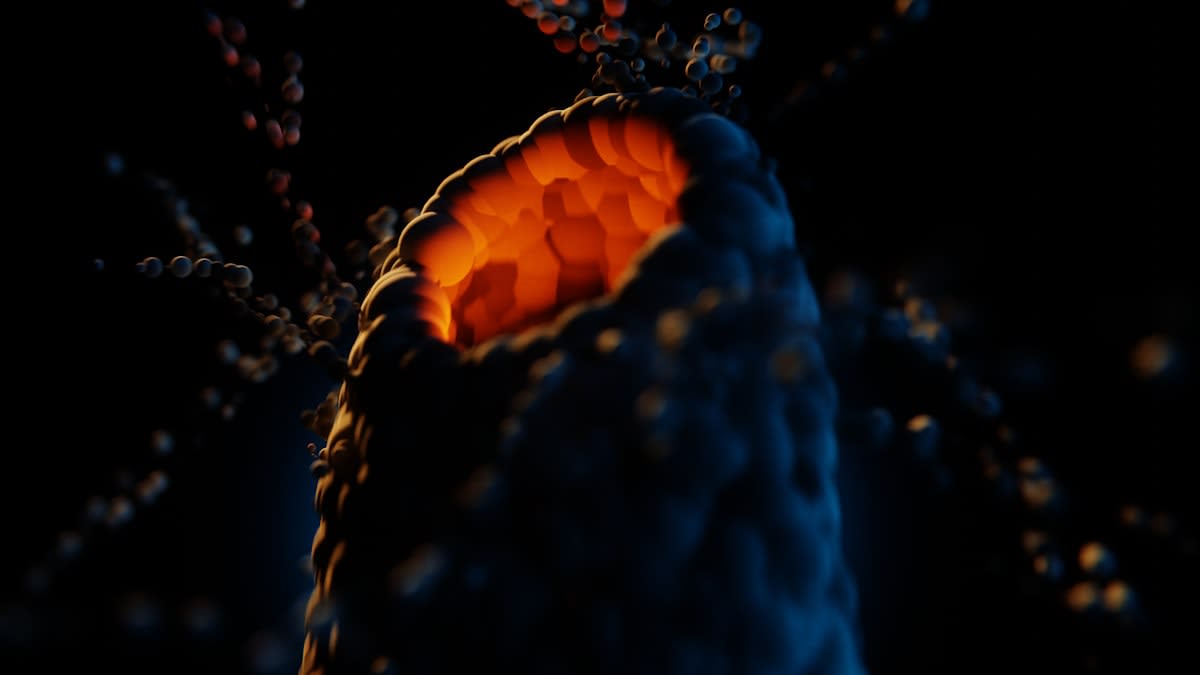
Most people mistake fatigue for a lack of sleep or a demanding job. They reach for a third espresso in a London office or a sugary snack during a commute in Tokyo, treating the symptom rather than the source. The real culprit is usually mitochondrial dysfunction. Your mitochondria are not just the powerhouses of the cell; they are the sophisticated CPUs that determine whether you thrive or merely survive. When these organelles falter, your ability to produce adenosine triphosphate (ATP) drops, leaving you in a state of biological bankruptcy. Why settle for a flickering candle when you could have a fusion reactor?
Modernity has created a paradox of comfort. We have eliminated the very stressors our mitochondria evolved to crave. In the absence of thermal swings, intermittent scarcity, and intense physical exertion, our mitochondria become lazy and inefficient. This stagnation leads to a buildup of damaged organelles that leak reactive oxygen species (ROS), further damaging the cellular architecture. The global longevity market, now projected to reach 610 billion dollars by 2025, is obsessing over this specific failure point because cellular energy is the primary currency of health. If you cannot manage your energy at the mitochondrial level, no amount of surface-level wellness will save you.
The Secret of Mitophagy
Mitophagy is the cellular equivalent of a waste management system. It is the process where the body identifies damaged mitochondria and digests them to make room for new, high-efficiency organelles. Without a trigger for mitophagy, you are essentially running your life on a battery that can no longer hold a full charge.
Prerequisites: What You Will Need Before Starting
You cannot build a skyscraper on a swamp. Before attempting a full mitochondrial reset, you must establish a baseline of biological stability. Jumping into extreme cold exposure or long-term fasting while severely sleep-deprived is not optimization; it is aggression. Your nervous system must be capable of handling the hormetic stress you are about to introduce. If you are in a state of chronic burnout, your first step is not a reset, but a recovery phase focusing on nervous system regulation.
- A consistent sleep window of 7-9 hours to allow for glymphatic drainage.
- A baseline blood panel checking for deficiencies in Magnesium, B-vitamins, and Vitamin D.
- Access to a cold source (cold showers, ice baths, or winter air).
- A commitment to eliminate processed seed oils and refined sugars for the duration of the reset.
- A way to track heart rate variability (HRV) to monitor recovery.
Once these foundations are set, you are ready to move from passive health to active optimization. The goal is to move the needle on mitochondrial density and efficiency, shifting your metabolism from a rigid, glucose-dependent state to a flexible, energy-efficient machine.
The Protocol: Five Pillars of Mitochondrial Optimization
- Metabolic Switching: Transition from glucose to ketones via timed fasting.
- Hormetic Thermal Stress: Utilizing extreme heat and cold to trigger heat shock proteins.
- Nutritional Co-factor Loading: Providing the raw materials for ATP synthesis.
- Zone 2 Aerobic Base Building: Increasing mitochondrial volume through steady-state exertion.
- Circadian Light Alignment: Synchronizing mitochondrial clocks with the solar cycle.
Metabolic switching is the cornerstone of this process. By implementing a 16:8 intermittent fasting window, you force the body to switch from burning glucose to burning fatty acids and ketones. This switch is not just about weight loss; it is a signal to the cell that resources are scarce, which triggers the cleanup of dysfunctional mitochondria. Research indicates that intermittent fasting can reduce oxidative stress markers by up to 25%, effectively scrubbing the cellular engine of its accumulated grime. Whether you are in a high-rise in New York or a village in Italy, the biological requirement for scarcity remains the same.
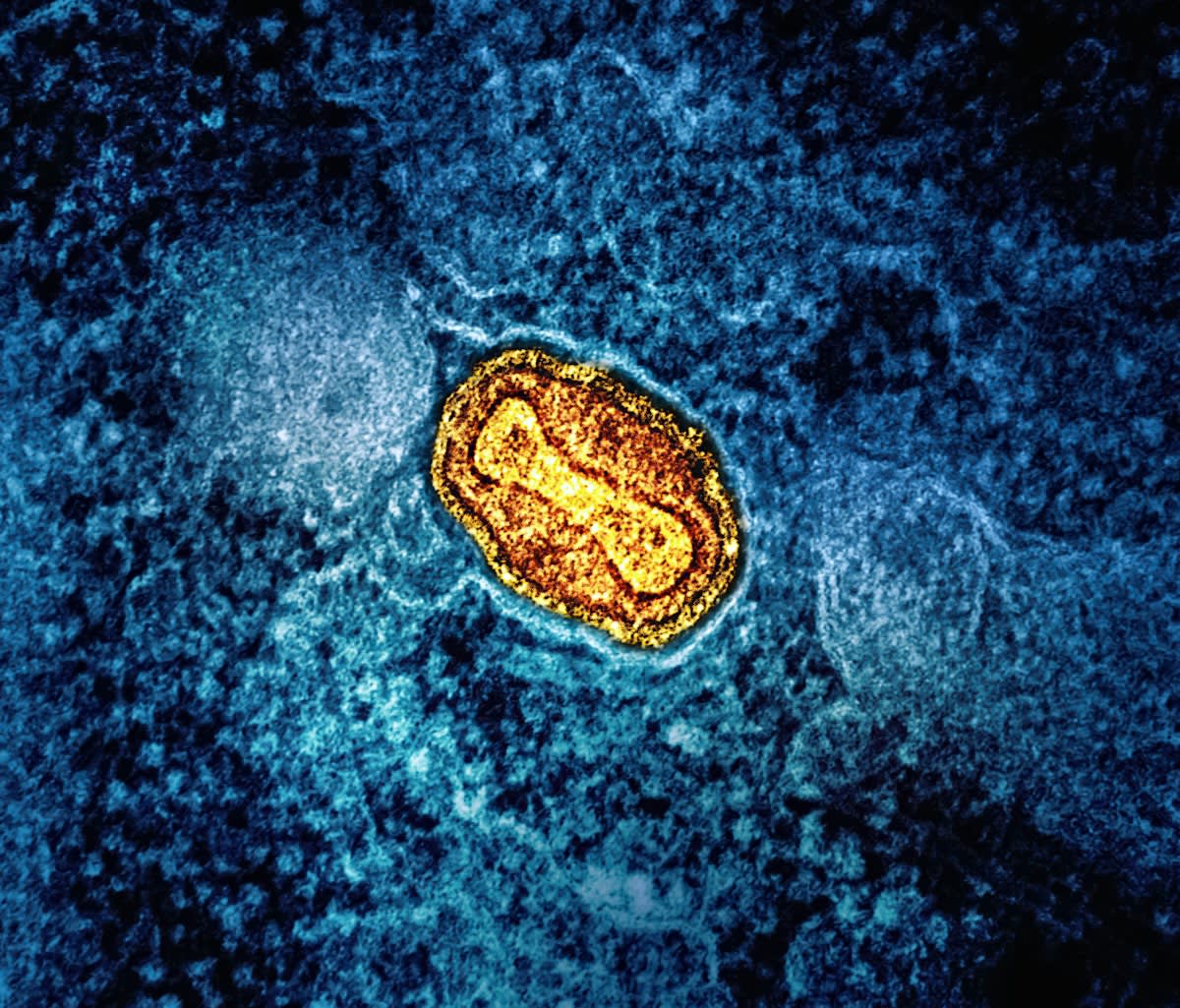
Hormesis—the concept of beneficial stress—is where most people fail because they fear discomfort. To reset your mitochondria, you must embrace the shiver and the sweat. Cold exposure, such as a three-minute cold plunge or a freezing shower, activates brown adipose tissue (BAT), which is packed with mitochondria that burn energy to create heat. Conversely, sauna use triggers heat shock proteins that repair misfolded proteins within the mitochondria. This thermal oscillation prevents biological stagnation and forces the system to adapt or fail. Adaptation is the only path to vitality.
Supplements are often touted as the magic bullet, but they are merely co-factors. They do not create energy; they facilitate the process. Without the correct raw materials, the electron transport chain stalls. Coenzyme Q10 (CoQ10) is essential for transporting electrons, while PQQ helps trigger mitochondrial biogenesis—the creation of new mitochondria. Magnesium serves as the critical anchor for the ATP molecule itself. Without these, you are trying to run a high-performance engine without oil.
| Co-factor | Primary Mitochondrial Role | Key Source |
|---|---|---|
| CoQ10 | Electron Transport Chain Efficiency | Organ meats, Spinach |
| PQQ | Mitochondrial Biogenesis | Green Peppers, Kiwi |
| Magnesium | ATP Stabilization | Pumpkin Seeds, Dark Chocolate |
| Alpha-Lipoic Acid | Antioxidant Protection | Broccoli, Spinach |
Physical movement must be strategic. While high-intensity interval training (HIIT) has its place, the real work of mitochondrial expansion happens in Zone 2. This is a steady-state aerobic intensity where you can still hold a conversation but are clearly working. Training in this zone for 150 to 200 minutes per week increases mitochondrial density by up to 20% in some cohorts. It trains your cells to utilize fat more efficiently, reducing the reliance on glucose and preventing the energy crashes that plague the modern workforce. It is the slow burn that leads to long-term fire.
"The goal of biological optimization is not to live forever in a state of artificial preservation, but to maintain a high-functioning cellular engine that allows for peak performance regardless of chronological age."— Master Practitioner's Axiom
Finally, we must address the light. Mitochondria possess their own internal clocks that are synchronized with the sun. Exposure to early morning sunlight triggers a cascade of hormones that prime the mitochondria for energy production. Conversely, exposure to blue light from screens at 2 AM confuses the cellular machinery, signaling that it is daytime when it should be in repair mode. This circadian mismatch is a primary driver of mitochondrial decay. If you live in a city with heavy light pollution, investing in blue-light blocking glasses after sunset is not a luxury; it is a biological necessity.

Common Pitfalls: Why Most Resets Fail
The most frequent error is the Supplement Trap. People spend hundreds of dollars on NAD+ precursors and CoQ10 while continuing to eat processed seed oils and sleeping four hours a night. Supplements are the 5% polish on a 95% foundation. If your foundation is crumbling, the polish is useless. You cannot supplement your way out of a sedentary lifestyle or a diet of refined sugars. The mitochondria respond to signals, not just ingredients. If the signal is 'excess and stagnation,' no pill will force them to optimize.
Another dangerous trend is the Over-training Spiral. There is a fine line between hormesis and toxicity. When you combine extreme fasting, ice baths, and grueling workouts without adequate recovery, you push the mitochondria into a state of chronic stress. Instead of triggering biogenesis, you trigger apoptosis—cell death. The key is the oscillation. Stress, then deep recovery. Stress, then deep recovery. If you remove the recovery phase, you are not optimizing your energy; you are depleting it.
Lastly, ignore the noise of 'biohacking' trends that promise instant results. Mitochondrial health is a game of compounding interest. You will not feel a total reset in forty-eight hours. The shift happens over weeks and months as old organelles are cleared and new, efficient ones are built. Patience is a biological requirement. Those who chase the 'hack' usually quit before the cellular adaptation takes hold.
The Recovery Warning
Remember: The body does not reward the effort; it rewards the adaptation. If you are pushing harder but feeling worse, you have crossed the line from hormesis into dysfunction. Back off, sleep more, and let the mitochondria rebuild.