
The Urgency of the Now: Beyond the Culture Dish
For decades, diagnosing a rare or opportunistic infection was a game of patience and guesswork. Clinicians relied on cultures that took days, if not weeks, to grow, often leaving patients on broad-spectrum antibiotics that acted as a blunt instrument rather than a scalpel. This paradigm is collapsing. We are seeing a pivot toward rapid diagnostics and rapid antimicrobial susceptibility testing, a shift that is no longer a luxury but a necessity as antimicrobial resistance continues to escalate as a pervasive global health threat (Source: IDSE, 2026). The delta between 2016 and 2026 is stark: we have moved from a world of hopeful observation to one of molecular precision.
Why does this matter right now? Because the pathogens are evolving faster than our traditional lab protocols. When a patient presents with an atypical pulmonary infection, the window to intervene effectively is narrow. The integration of metagenomic Next-Generation Sequencing (mNGS) into the rapid diagnostic framework allows for the identification of pathogens that are unculturable or slow-growing. This isn't just about speed; it is about visibility. We are finally seeing the ghosts in the machine—the rare fungi and fastidious bacteria that previously vanished during the transport and incubation process.
"Antimicrobial resistance continues to escalate as a pervasive global health threat, undermining decades of progress in infection control and therapeutic strategies."— Infectious Diseases Society of Europe (IDSE), 2026 Report
The transition is not without friction. In many global health systems, the battle is not just against the microbe, but against the clock and the bureaucracy of the laboratory. However, the trend is clear: the industry is moving toward a model where the diagnostic result arrives before the patient even leaves the emergency department. This shift transforms the clinician's role from a detective guessing the culprit to a strategist executing a targeted plan.
Precision Nanomedicine: The Delivery Evolution
Diagnosis is only half the battle. Once a rare infection is identified via rapid diagnostics, the challenge shifts to delivery. Conventional therapies often struggle with stability, suboptimal cellular internalization, and a critical lack of tissue-specific targeting (Source: Nature, 2026). This is where precision nanomedicine enters the frame. By leveraging nanoparticle-based delivery platforms, researchers are now enhancing therapeutic stability and bioavailability, enabling controlled release and facilitating cellular uptake (Source: Nature, 2026).
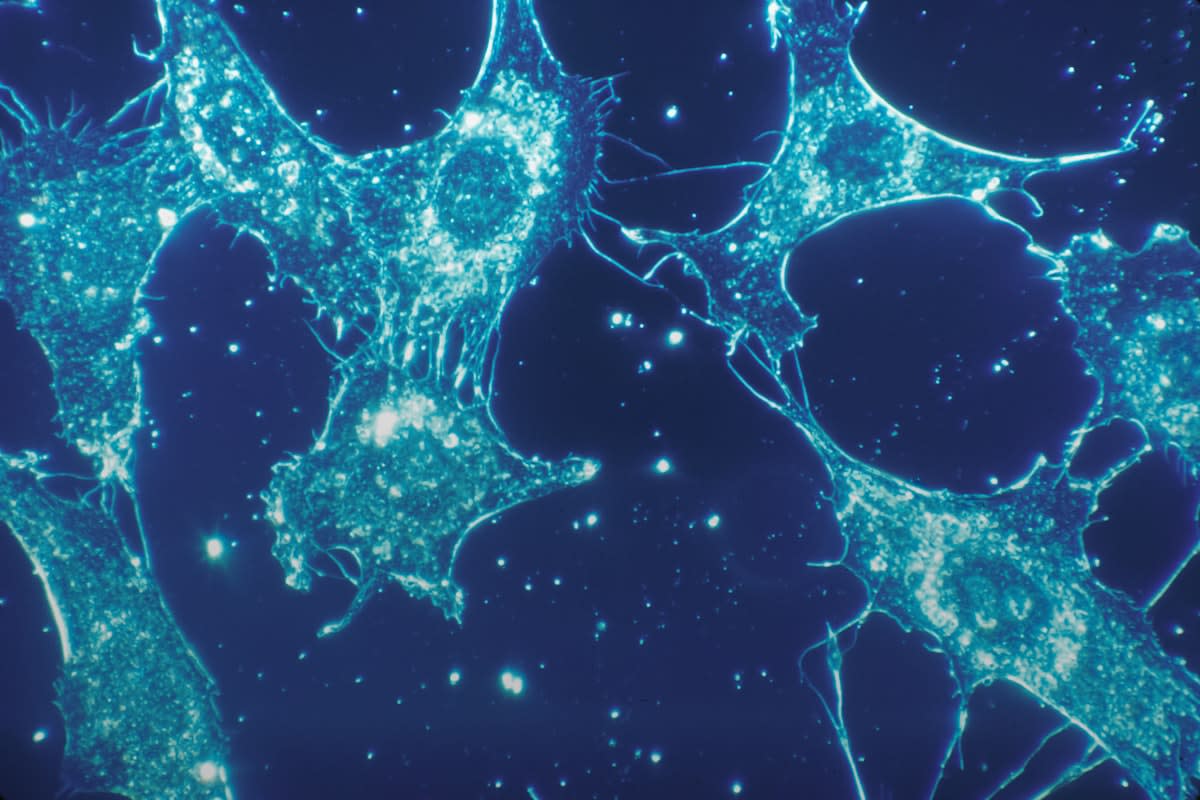
The application of these nanotechnologies is particularly potent in pulmonary pathologies. From pulmonary fibrosis and cystic fibrosis to neonatal pulmonary disorders and acute infections, the ability to achieve targeted delivery to specific lung compartments is a game-changer (Source: Nature, 2026). Imagine a scenario where mNGS identifies a rare fungal pathogen in the lower lobes, and a nanoparticle-delivered antifungal is deployed specifically to those affected cells, bypassing systemic toxicity. This is the convergence of rapid diagnosis and precision therapy.
This evolution addresses long-standing safety concerns associated with viral vectors and the inherent instability of many therapeutic agents (Source: Nature, 2026). By focusing on nanoparticle bioengineering, the medical community is creating a modular system where the 'payload'—the drug—can be swapped based on the rapid diagnostic result, while the 'vehicle'—the nanoparticle—remains a proven delivery mechanism.
The Data Wall: When Legacy Systems Kill
Here is the uncomfortable truth: the most advanced mNGS results are useless if they are trapped in a digital silo. Many health systems are currently grappling with a legacy data problem that has transitioned from an IT inconvenience to a systemic patient safety risk (Source: hitconsultant.net, 2026). When critical pieces of a patient's history or a rapid diagnostic result remain locked in outdated, inaccessible applications, the clinician is flying blind (Source: hitconsultant.net, 2026).
On the ground, this looks like a chaotic struggle between the lab and the ward. I have seen practitioners spend more time hunting for a PDF of a lab report across three different software platforms than they do analyzing the actual data. The debate in the hallways isn't about whether mNGS works—it's about why the result is sitting in a legacy database that doesn't talk to the electronic health record (EHR). This friction creates a dangerous lag, effectively neutralizing the speed gained by the rapid diagnostic itself.

Access to complete and accurate patient information is foundational to safe care, yet many organizations manage dozens or even hundreds of fragmented applications across clinical and operational domains (Source: hitconsultant.net, 2026). Until the data can be used at the point of care, the revolution in rapid diagnostics will be throttled by the very infrastructure meant to support it.
The Regulatory Shift: Accelerating Clinical Translation
While the data infrastructure lags, the regulatory environment is moving at breakneck speed. There has been a seismic shift in how the FDA approves new medical interventions. In 2016, the majority of approved drugs were backed by three or more clinical trials. By 2024, that figure plummeted to just 5.6% (Source: StudyFinds, 2026). Instead, a staggering 69.4% of drugs approved in 2024 reached the market on the strength of a single clinical study (Source: StudyFinds, 2026).
| Approval Metric | 2016 Status | 2024 Status |
|---|---|---|
| Drugs backed by 3+ trials | 59.1% | 5.6% |
| Drugs approved via single study | Minority | 69.4% |
| Industry Funding Share | <50% | >80% |
This acceleration is fueled by a change in funding. Industry funding for the studies behind drug approvals jumped from under half in 2016 to more than 80% by 2024, while NIH-backed research has nearly disappeared from the approval pipeline (Source: StudyFinds, 2026). For the field of rare infection diagnostics and nanomedicine, this means a faster path from the bench to the bedside, but it also raises critical questions about the long-term independence of the research driving these innovations.
Does this regulatory lean toward single-study approvals increase risk? Perhaps. But in the context of an escalating AMR crisis, the cost of delay is often higher than the risk of an accelerated approval. The trend suggests a global appetite for agility over exhaustive redundancy.
Synthesis: The New Diagnostic Era
The end of the medical mystery isn't coming from a single invention, but from the convergence of three distinct trends: the molecular visibility of rapid diagnostics, the surgical precision of nanomedicine, and a regulatory environment that prioritizes speed. When these three align, the 'mystery' of a rare infection is solved in hours, not weeks. We are moving toward a closed-loop system where a pathogen is sequenced, a targeted nanomedicine is selected, and the treatment is delivered with cellular accuracy.
However, the final hurdle remains the human and digital interface. The ability to synthesize these high-tech wins into a cohesive patient experience depends entirely on solving the legacy data crisis. Precision medicine cannot exist in a fragmented data environment. The future of infection control is not just about better sequencing or smaller particles; it is about the seamless flow of information from the sequencer to the clinician's hand.
Fact-Check & Accuracy Note
Key claims regarding antimicrobial resistance are sourced from the Infectious Diseases Society of Europe (IDSE, 2026). Data on precision nanomedicine and pulmonary delivery is sourced from Nature (2026). FDA approval statistics and funding shifts are sourced from StudyFinds (2026). The analysis of legacy data risks is based on reporting from hitconsultant.net (2026). There is ongoing debate regarding the safety of relying on single-study FDA approvals compared to the traditional multi-trial standard.
Editorial Note
This article analyzes the trend of rapid diagnostics (including mNGS) as part of a broader systemic shift toward precision medicine. While mNGS is the catalyst for diagnosis, the author emphasizes that clinical success is dependent on the accompanying trends in nanomedicine and data infrastructure.