Chhattisgarh tops ‘Catch the Rain’ campaign, five districts among country’s top 10
Source Entity
The Indian Express
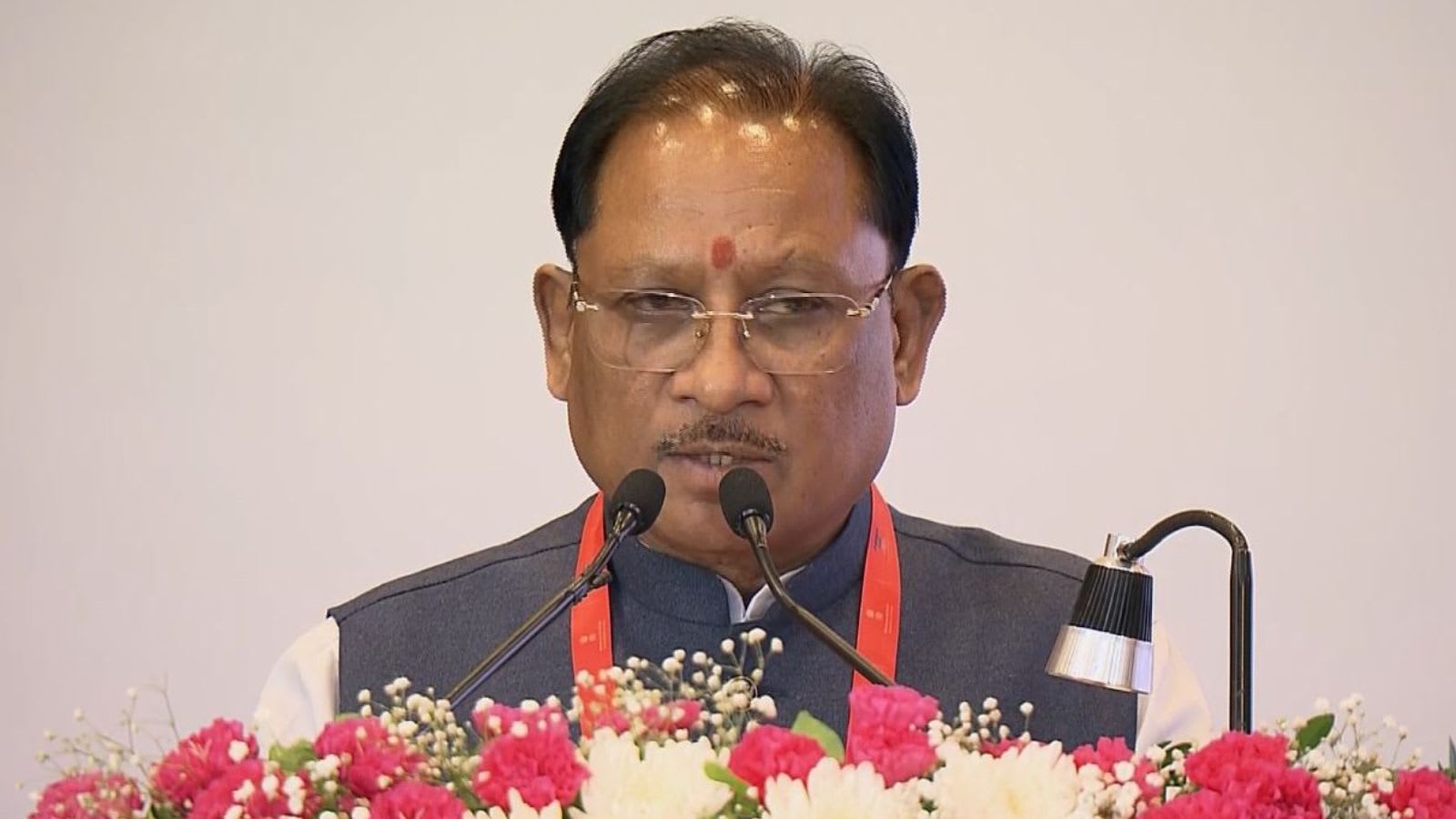
Chhattisgarh has been recognized as the top-performing state under the Ministry of Jal Shakti’s 'Catch the Rain' and 'Jal Sanchay Jan Bhagidari' campaigns. The state successfully completed nearly 78,000 water conservation structures through a community-led model.
Chhattisgarh Leads National Water Conservation Efforts
Chhattisgarh has officially emerged as the top-performing state in the third phase of the Ministry of Jal Shakti’s 'Jal Sanchay Jan Bhagidari' (JSJB) and 'Catch the Rain' campaigns. This recognition follows the successful completion of nearly 78,000 water conservation structures across the state, a feat that marks a significant milestone in India's national efforts to enhance groundwater recharge and water security.
The Role of Community-Led Governance
The success of this initiative is rooted in the JSJB framework, which prioritizes a community-led approach to water management. By focusing on the construction of low-cost, decentralized structures, the program empowers local populations to take ownership of their immediate environment. This strategy aligns with the broader goals of the 'Jal Shakti Abhiyan,' which aims to move beyond government-only interventions to foster a culture of local water sustainability.
Strategic Presentation at the National Level
Chief Minister Vishnu Deo Sai presented this robust water conservation model during a departmental summit held by the Ministry of Jal Shakti in New Delhi. The presence of Prime Minister Narendra Modi at this event highlights the national importance placed on the state's achievements. By showcasing this model at the federal level, Chhattisgarh has positioned itself as a blueprint for other states looking to optimize their water conservation outcomes through mass participation.
Regional Impact and Performance Metrics
Beyond the state-wide achievement, Chhattisgarh’s performance is further underscored by the fact that five of its districts have secured positions among the country’s top 10 for water conservation efforts. This high density of successful projects suggests a consistent, well-executed policy implementation that spans across different administrative regions, ensuring that the benefits of groundwater recharge are felt across a wide geographical area.
Future Implications for Water Security
The completion of 78,000 structures serves as a critical buffer against erratic rainfall patterns and potential groundwater depletion. As climate variability continues to pose challenges to agricultural and rural stability, these decentralized water harvesting structures will likely serve as a vital resource for local irrigation and domestic water needs. The scalability of the Chhattisgarh model provides a clear pathway for future policy developments under the 'Catch the Rain' initiative, suggesting a trend toward more localized, participatory water governance across India.