Euro zone inflation is back above 3%. Higher interest rates are likely to follow
Source Entity
US Top News and Analysis
Euro zone inflation has surged to 3.3% in August due to energy price hikes linked to the conflict in Iran. The European Central Bank is expected to raise interest rates in September to combat these inflationary pressures.
The Resurgence of Euro Zone Inflation
The Impact of Geopolitical Instability
The European economy is currently grappling with a significant inflationary spike, as headline inflation in the euro zone climbed to 3.3% in August from 2.9% in July. This represents the highest level of inflation since September 2024, according to Eurostat. The primary driver of this volatility is the ongoing conflict involving Iran, which has resulted in the blockage of the Strait of Hormuz—a critical maritime chokepoint for global energy supplies. As a net importer of energy, the euro zone remains exceptionally vulnerable to these external shocks, which have caused energy inflation to accelerate sharply to 14.3%.
Dissecting the Inflationary Components
While the headline figure paints a concerning picture, the underlying data reveals a more nuanced economic reality. Core inflation, which strips away the volatile effects of energy, food, alcohol, and tobacco, actually showed signs of cooling, dipping to 2.4% from 2.5%. This divergence suggests that while the economy is experiencing a severe cost-push inflation scenario driven by global energy markets, domestic price pressures in other sectors remain somewhat tempered. However, the sheer magnitude of the energy price hikes is threatening to overshadow these marginal gains in core stability.
The Policy Response: Interest Rate Hikes
The European Central Bank (ECB) faces a difficult balancing act as it prepares for its September meeting. Given the persistent nature of energy-driven inflation, market expectations are heavily leaning toward an interest rate hike. While higher rates are a standard tool to curb demand-pull inflation, they pose a secondary threat to businesses that are already struggling with the dual burden of high energy costs and potential supply chain disruptions. The central bank must determine how much tightening is required to anchor inflation expectations without stifling the broader recovery.
Environmental and Economic Convergence
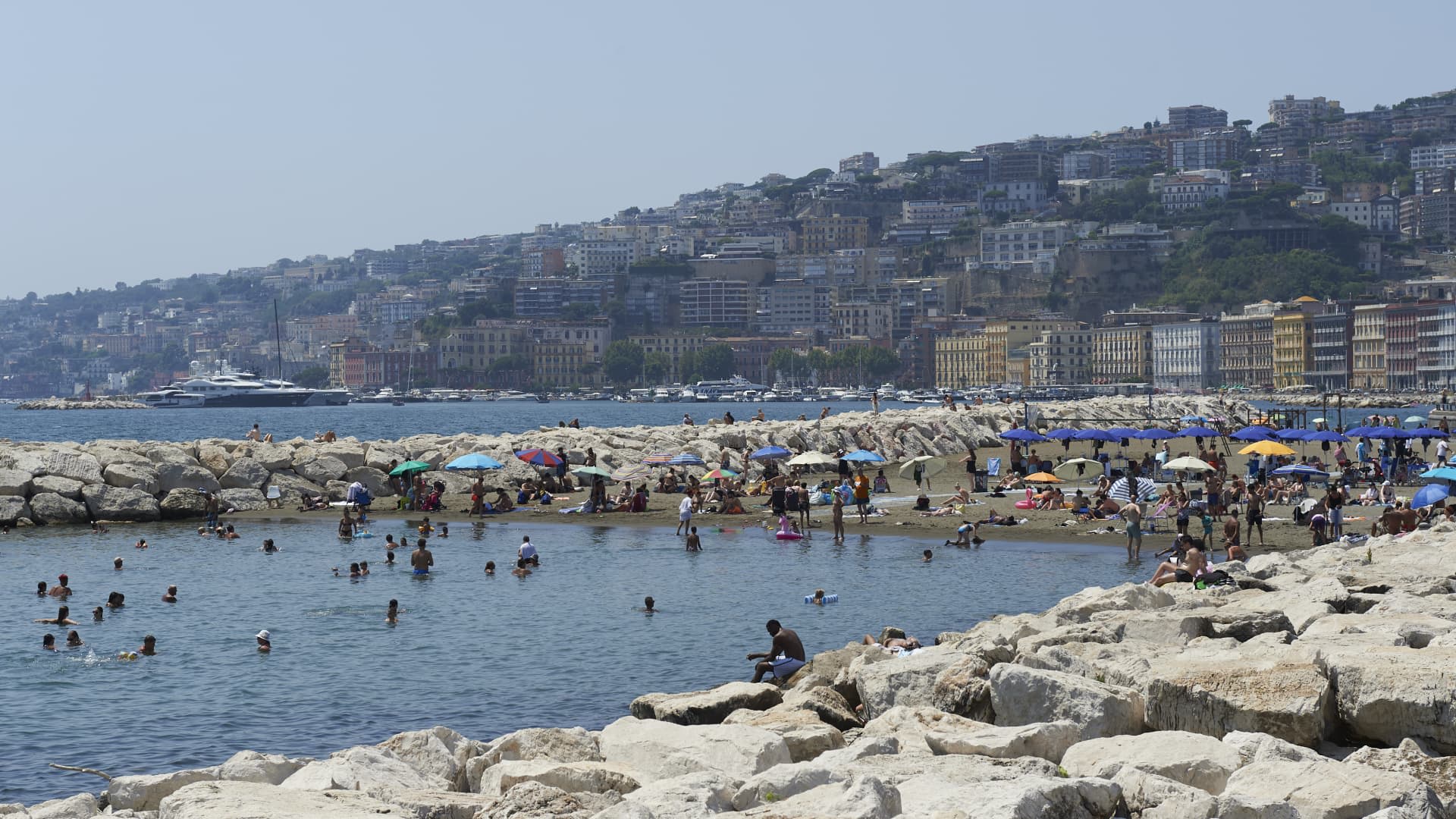
Adding to the complexity of the economic landscape are extreme weather patterns, such as the African heatwave observed in Naples on August 4, 2026. While environmental factors influence energy demand for cooling, the current inflationary surge is primarily rooted in the geopolitical constraints on oil and refined products. The interplay between climate volatility and energy market fragility creates a precarious environment for European fiscal and monetary policymakers.
Future Outlook and Economic Stability
Looking ahead, the trajectory of the euro zone economy will be tethered to the duration of the conflict in the Middle East. Should the blockage of the Strait of Hormuz persist, the inflationary pressure on refined products will likely remain elevated, forcing the ECB into a more hawkish stance than previously anticipated. Businesses across the region will need to prepare for a sustained period of higher borrowing costs, which could lead to reduced capital investment and a potential slowdown in economic growth as the region navigates these turbulent waters.