
The Architecture of Movement
Most people confuse flexibility with mobility, a mistake that often leads to injury rather than improvement. Flexibility is passive; it is the ability of a muscle to stretch to a certain point under external force. Mobility, however, is the active ability to control that range of motion. If you can pull your leg into a stretch with a strap but cannot lift it to that same height using your own muscle power, you possess flexibility without mobility. This gap is where joint instability lives, and it is exactly where the blueprint begins. Why do we accept the gradual shrinking of our physical world as an inevitable part of aging?
The reality is that joint stiffness is rarely a structural failure of the bone or cartilage initially. Instead, it is often a protective mechanism orchestrated by the nervous system. When the brain perceives a lack of strength or control at the end of a joint's range, it creates a 'brake' in the form of muscular tension to prevent dislocation. To reverse this, we do not simply pull on the muscle; we convince the nervous system that the joint is safe and strong in its expanded range. This shift in perspective transforms mobility work from a chore into a strategic upgrade of your biological hardware.
Prerequisites: Your Mobility Toolkit
- High-density foam roller or lacrosse ball for myofascial release
- Set of resistance bands (light, medium, and heavy) for joint centration
- A stopwatch or timer to manage isometric holds
- A mirror or video recording device for form assessment
- A commitment to a 20-minute daily window of focused practice
Beyond the gear, the most critical prerequisite is a cognitive shift regarding pain. In the world of high-level mobility, we distinguish between 'therapeutic discomfort' and 'structural pain.' The former feels like a deep stretch or a burning sensation of muscle effort; the latter is sharp, electric, or localized within the joint capsule. If you encounter the latter, you stop immediately. The goal is not to force the joint open, but to invite it to expand through controlled, incremental tension. Patience is the only currency that buys long-term joint health.
The Five-Phase Restoration Protocol
- Joint Assessment: Identify your 'sticking points' by performing slow, controlled rotations in every major joint to find where motion is restricted.
- Tissue Preparation: Use a foam roller or lacrosse ball on the muscles surrounding the stiff joint for 2 minutes to down-regulate neural tension.
- Controlled Articular Rotations (CARs): Move the joint through its absolute maximum outer limit in a slow, circular motion, maintaining tension in the rest of the body.
- End-Range Loading: Apply a light resistance band or bodyweight tension at the point of maximum stretch, holding for 10-30 seconds to build strength in the new range.
- Dynamic Integration: Perform a functional movement, such as a deep squat or a rotational reach, to 'lock in' the newly acquired mobility into your movement patterns.
Controlled Articular Rotations, or CARs, are the cornerstone of this protocol. Think of them as a daily 'system check' for your joints. By moving the joint through its full perimeter, you are not just stretching; you are lubricating the joint with synovial fluid and signaling to the brain that this range is available for use. When performed with high internal tension—meaning you are actively resisting the movement as you perform it—you create a neurological map of the joint. This prevents the 'forgetting' of range that occurs when we spend eight hours a day in a chair.
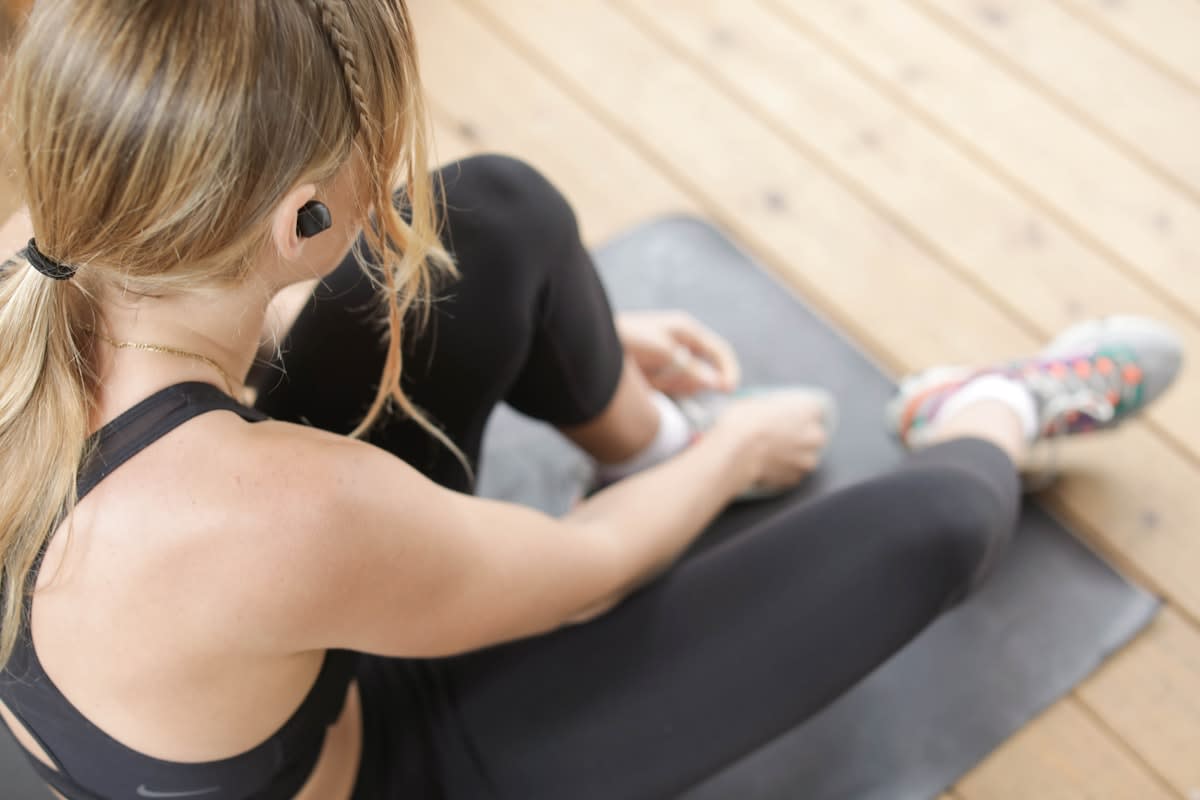
End-range loading is where the actual 'reversal' of stiffness happens. Most injuries occur at the end of a joint's range because that is where we are weakest. By applying a load—whether it is a resistance band or a slow, weighted eccentric movement—you are telling the body that it needs to be strong in that specific position. This process increases the tensile strength of the tendons and the thickness of the joint capsule. It is the difference between a door that is simply pushed open and a door that has been rebuilt to stay open.
"The joint does not care about your goals; it only cares about its own stability. If you cannot prove you are strong in a position, the brain will lock that position to protect you."— Lead Physiotherapist, Global Mobility Institute
We see this play out globally across different occupational landscapes. In the high-density urban centers of Tokyo or New York, we see the 'Desk-Worker's Hip'—a profound loss of internal rotation and hip extension caused by chronic flexion. Conversely, in agricultural regions of Southeast Asia or Sub-Saharan Africa, we often see 'Overuse Stiffness,' where joints are locked into specific patterns of repetitive labor. Regardless of the cause, the solution remains the same: break the pattern, assess the limit, and load the edge.
| Feature | Passive Flexibility | Active Mobility |
|---|---|---|
| Mechanism | External force pulling muscle | Internal control of joint range |
| Neurological Effect | Temporary relaxation | Permanent neural re-mapping |
| Injury Risk | Higher (stability gap) | Lower (strength at end-range) |
| Primary Goal | Increased length | Increased usable control |
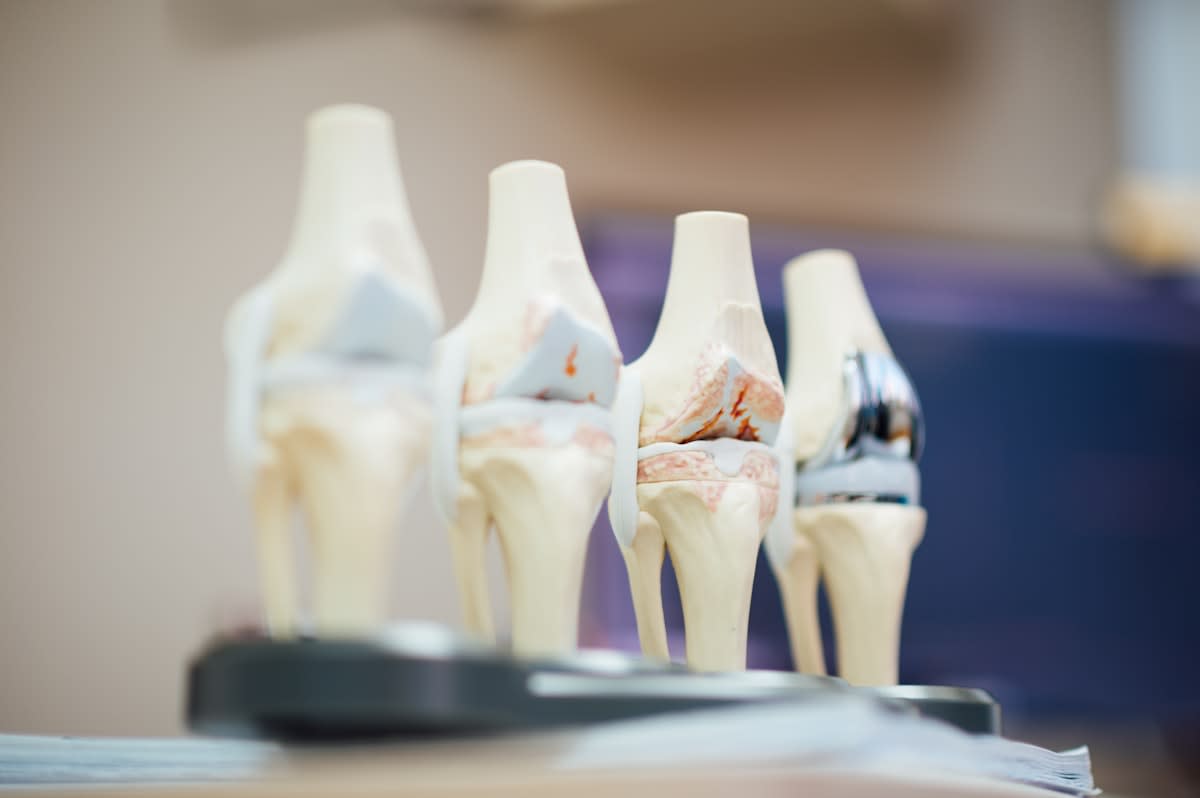
To understand why this works, we must look at the biological engine of the joint. Synovial fluid acts as the oil for your biological machinery. However, this fluid is not pumped by a heart; it is moved by movement. Without active rotation and loading, the fluid becomes viscous and the joint capsule thickens, effectively 'gluing' the joint in place. Research suggests that joint lubrication can decrease by as much as 30% by the age of 50 if movement variety is not maintained. This is not an aging problem; it is a movement starvation problem.
Range of Motion (ROM) Recovery Curve
Executive Insight
+18.4%
YTD Growth
The nervous system is the ultimate gatekeeper. When you perform the blueprint, you are essentially negotiating with your brain. By combining tissue preparation with active loading, you provide the brain with two pieces of evidence: first, that the tissue is supple, and second, that the muscle can handle the load. Once the brain accepts this evidence, it releases the 'brake,' and you experience a sudden, often dramatic, increase in your range of motion. This is why some people see a 15% improvement in ROM within just four weeks of consistent CARs practice.
Common Pitfalls and How to Avoid Them
The most frequent error is the 'push-through' mentality. Many athletes believe that if it doesn't hurt, it isn't working. In mobility work, this is a recipe for disaster. Pushing through sharp joint pain often triggers a reflexive contraction, where the brain actually tightens the joint further to protect it from perceived damage. This creates a cycle of frustration where the harder you push, the stiffer you become. The goal is to find the edge of your range and 'hover' there, rather than trying to smash through it.
Another common mistake is relying solely on static stretching. Holding a hamstring stretch for 60 seconds might feel good, but it provides almost zero carry-over to actual movement. Without the activation phase—the 'loading' part of the blueprint—the brain views that new range as unstable. This is why many people find that their flexibility disappears within an hour of stretching. To make the range permanent, you must own the range through strength.
The Golden Rule of Mobility
Consistency beats intensity. Five minutes of CARs every single morning is infinitely more effective than a two-hour mobility session once a week. The nervous system requires frequent, small signals to maintain its new maps.
Ultimately, extending your physical prime is about diversifying your movement portfolio. We live in a world designed for linear motion—walking forward, sitting straight, typing on a flat plane. Our joints, however, are designed for spheres, spirals, and rotations. By implementing the Mobility Blueprint, you are essentially re-introducing your body to the full spectrum of human movement. This is not just about touching your toes; it is about ensuring that your body remains a capable, resilient tool for as long as you live.