
Forget the remote villages. While the public hunts for longevity secrets in the mountains of Costa Rica, the real rewrite of biological aging is happening in the blood of thousands. The geography is a complete distraction. Stop trusting the calendar. When we analyze the molecular markers of aging, we find that the internal clock fluctuates based on specific dietary inputs and protein expressions. The date is a lie.
The Diet-Age Connection
Diets dictate decay. Researchers from the German Centre for Neurodegenerative Diseases analyzed 6,470 participants aged 30 and over to determine how eating patterns influence biological age (Source: Nature Communications, 2026). The results were clear. They identified 10 healthy diet regimes that consistently linked to slower biological aging across the entire cohort. This is not magic. The data showed that while all healthy diets helped, specific regimes targeted different organs. The DASH diet focused on the heart, while the MIND diet preserved cognition and memory (Source: Nature Communications, 2026). Biology responds to fuel.
| Diet Regime | Primary Biological Target | Observed Outcome |
|---|---|---|
| DASH | Cardiovascular System | Slower biological aging of the heart |
| MIND | Neurological Function | Preservation of cognition and memory |
| General Healthy Diets | Systemic Biomarkers | Overall reduction in biological age pace |
Nutrition is a tool. By shifting the inputs, we can alter the rate at which our cells degrade over several decades of life. The evidence is undeniable. We are not prisoners of our birth year. If we can map the specific nutrients that slow the biological clock, we can move beyond general advice toward precision longevity. The era of guesswork ends.
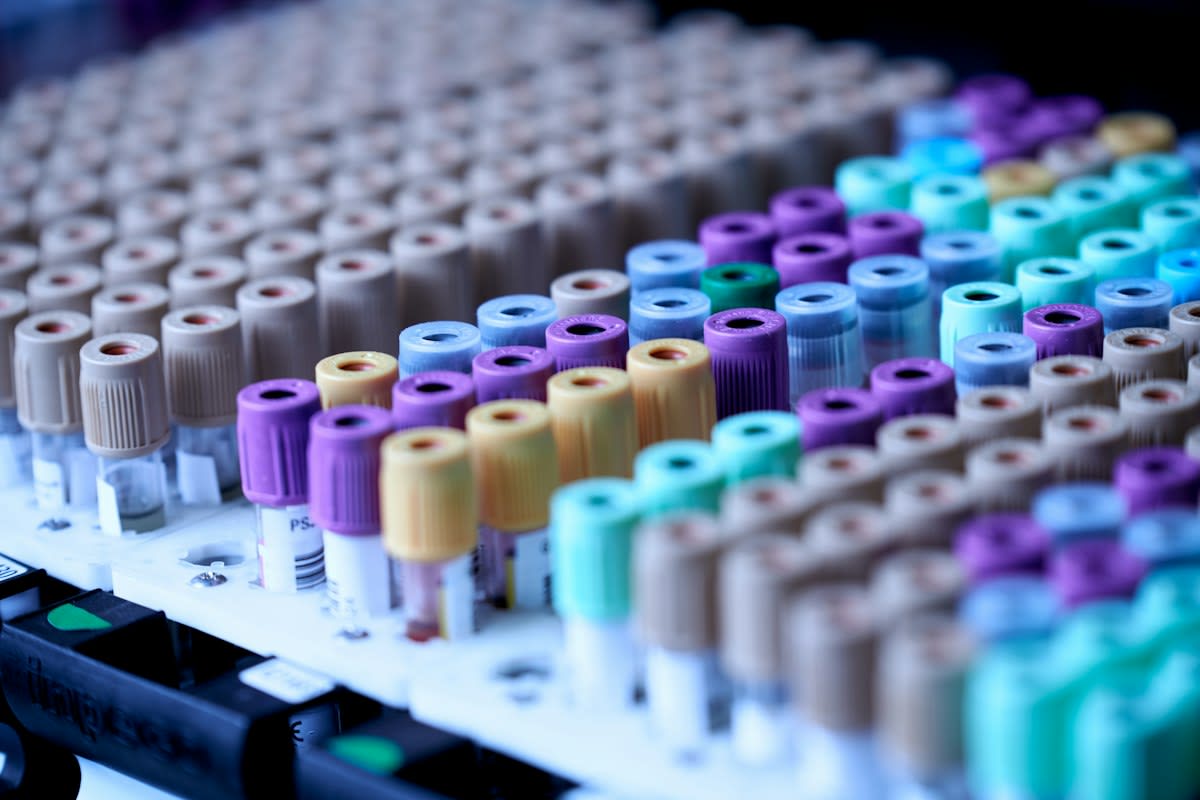
Markers reveal truth. The shift toward proteomics allows scientists to measure the pace of aging with a precision that DNA tests cannot match. This is the new terrain. Michael Corley, PhD, argues that the field is currently limited more by a lack of evidence than by a lack of ideas (Source: Genetic Engineering and Biotechnology News, 2026). He suggests that using banked samples from completed clinical trials can accelerate the screening of interventions. We need more data. By analyzing the effects of drugs like semaglutide, researchers can track cardiometabolic and inflammatory protein changes in real time. The proteome is fluid.
"the aging field is limited less by ideas than by evidence"— Michael Corley, PhD at Genetic Engineering and Biotechnology News
Clocks are evolving. Xiao-Jun Ma, PhD, has identified a data-driven proteomic module that tracks biological aging across three separate cohorts (Source: Genetic Engineering and Biotechnology News, 2026). This module relates directly to mortality, cognition, and the overall burden of comorbidity. It outperforms older models. When compared with DNA methylation clocks, this proteomic approach reveals exactly when biological aging begins to accelerate. The timing is everything. We can now see the crash before it happens.
The biological web is complex. This shift in measurement allows us to stop treating aging as a steady decline and start treating it as a series of manageable events. We can intervene. By identifying the specific protein modules that fail, we can potentially suture the gaps in our biological defense. The code is open. We just need the right keys to unlock it.
Predicting the Cognitive Crash
Brains fail early. Small changes in how different parts of the brain communicate can predict Alzheimer's disease years before any memory loss occurs (Source: Science Advances, 2026). The signal is subtle. Researchers developed the ARC score to distinguish super agers from those destined for cognitive decline with 85% accuracy (Source: Science Advances, 2026). This is a breakthrough. Over follow-up periods of up to 12 years, those with patterns resembling Alzheimer's showed faster declines in thinking and more amyloid plaques. The warning is early. We can see the end coming.
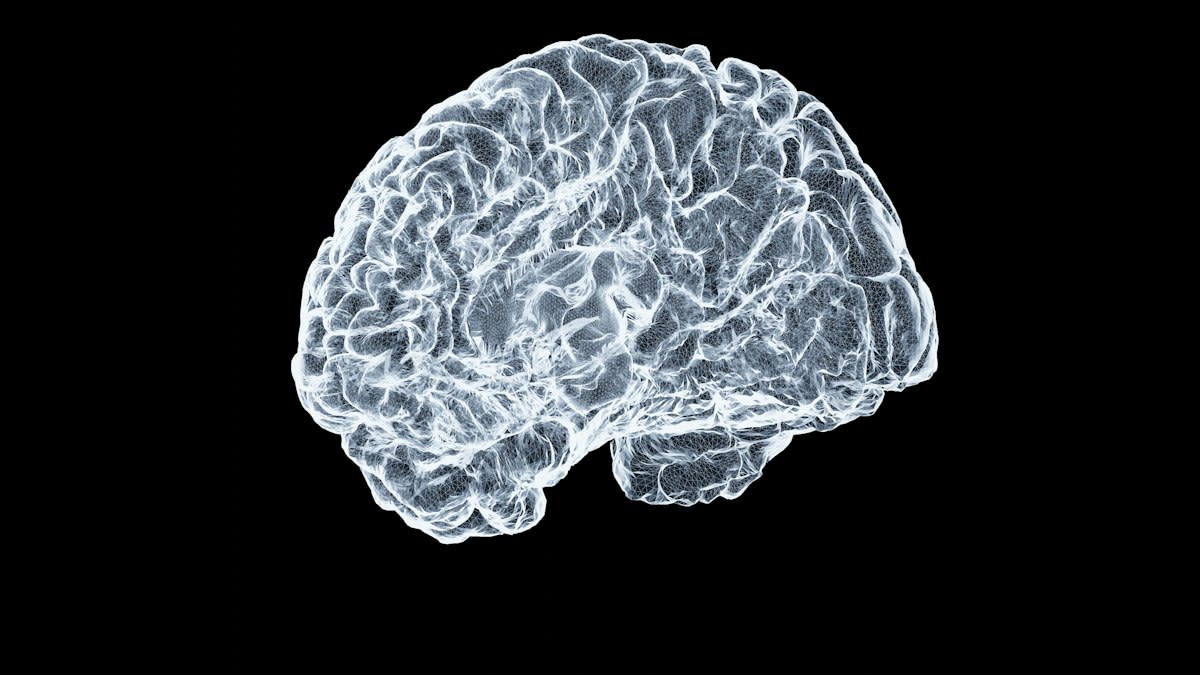
Detection saves time. When we identify vulnerability early, we can apply the dietary and pharmacological interventions mentioned in previous studies to slow the decline. The window is narrow. We must move from reactive medicine to a proactive model of cognitive preservation. The clock is ticking. If the ARC score can predict failure a decade in advance, the medical playbook must change. Early action is mandatory.
The AI Integration
AI scales knowledge. The Mayo Clinic has launched an AI-driven clinical decision support tool embedded directly into electronic health record workflows (Source: Fierce Healthcare, 2026). This is a force multiplier. The tool combines specialty-specific chat, peer-reviewed evidence, and clinical calculators to help clinicians reason through complex cases. The speed is immense. By citing responses from peer-reviewed literature, the LLM reduces the time it takes to find a viable treatment path. Efficiency is the goal. Doctors no longer hunt for papers.
Data flows faster. When AI handles the literature review, the physician can focus on the patient's unique biological markers. The human element returns. This integration ensures that the latest findings on biological aging reach the clinic without the usual multi-year delay. The gap closes. We are seeing the birth of a real-time medical intelligence system. The future is here.
The Cellular Battleground
Cells fight back. In studies of MDS and sAML, mesenchymal stromal cells (MSCs) drive immune escape by rewiring the metabolism of natural killer (NK) cells (Source: Nature, 2026). The attack is invisible. Using ATAC-seq and RNA-seq profiling, researchers showed that unhealthy MSCs induce profound chromatin remodeling in NK cells. This kills the defense. The downregulation of genes essential for stress response and survival allows leukemic cells to thrive. The system fails. We are witnessing a mechanical failure of the immune system.
Metabolism is key. When the NK cells lose their metabolic grip, they can no longer execute their anti-leukemic functions. The balance shifts. This research proves that biological aging and disease are not just about loss, but about active rewiring. We can reverse it. If we can stop the chromatin remodeling, we can restore the immune system's ability to fight. The target is clear. We just need the delivery mechanism.
Labs fight for funding. The clash between epigeneticists and proteomic researchers is a bitter battle for legitimacy that often stalls actual clinical progress in the pursuit of longevity. Money often drives the scientific agenda. Egos cloud the view. We argue over whether DNA methylation or protein modules provide the true age while the venture capital flows toward the loudest voice in the room. The truth remains hidden for now.
Fact-Check & Accuracy Note
This article relies on data from Nature Communications (2026) regarding dietary biological aging in 6,470 participants, Science Advances (2026) concerning the ARC score's 85% accuracy in Alzheimer's prediction, and research from the German Centre for Neurodegenerative Diseases (DZNE). Academic debate continues regarding the superiority of proteomic clocks versus epigenetic DNA methylation clocks.
Editorial Note
Editorial Note: The author maintains a contrarian view that geographic 'Blue Zones' are secondary to the molecular biomarkers identified in current proteomic research.
The secret is blood. We do not need a remote village to find the keys to longevity. The answers are in the proteins. The data is here. By combining AI diagnostics, proteomic clocks, and precision nutrition, we can finally rewrite the biological ledger. The pen is ours. We just have to start writing.