Good riddance, Cybertruck!
Source Entity
Andrew J. Hawkins
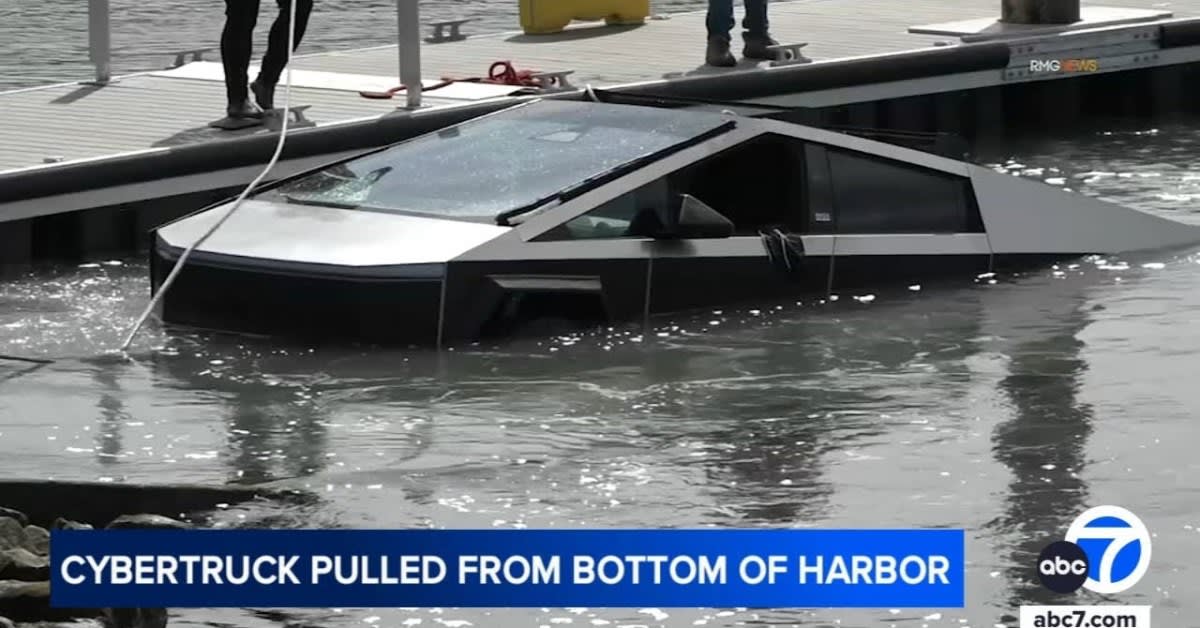
Tesla has announced plans to wind down Cybertruck production by next year to prioritize the development of the Cybercab. This strategic pivot marks a significant shift in Tesla's product roadmap, moving away from the polarizing pickup toward autonomous transport solutions.
The End of the Cybertruck Era
On November 6th, the automotive industry witnessed a dramatic shift in direction as Elon Musk announced that Tesla would be "winding down" production of the Cybertruck starting next year. This decision, communicated via social media, effectively marks the conclusion of a high-profile chapter in Tesla's history. The Cybertruck, which once stood as the centerpiece of Musk’s vision for the future of pickup trucks, is now being phased out to reallocate resources toward the development of the Cybercab.
From Pinnacle to Pivot
When the Cybertruck was first unveiled, it was marketed as the ultimate fusion of utility and performance, famously compared to both the Porsche 911 for its speed and the Ford F-150 for its power. Musk’s previous declaration that the vehicle was "our best product ever" highlights the massive expectations placed upon its unique, Blade Runner-inspired design. The transition from such high praise to a total production wind-down signifies a rapid reassessment of the vehicle's place within Tesla's broader strategic goals.
The Strategic Shift to Cybercab
The primary driver for this cessation is the prioritize the Cybercab, Tesla’s upcoming autonomous platform. By choosing to vacate the production lines currently occupied by the Cybertruck, Tesla is signaling a clear move toward an autonomous, ride-sharing future. This shift suggests that the company believes the long-term value of a dedicated, purpose-built autonomous vehicle outweighs the market demand for a niche, high-cost electric pickup truck.
Engineering and Market Implications
The Cybertruck was an exercise in extreme engineering, pushing boundaries with its stainless steel exoskeleton and unconventional aesthetic. However, the complexity of manufacturing such a design may have contributed to the decision to move forward. As Tesla faces increasing pressure to innovate in the AI and robotics space, the allocation of manufacturing capacity to the Cybercab indicates a pivot toward software-led growth rather than hardware-heavy utility vehicles.
Future Trends in EV Manufacturing
This announcement serves as a case study in the volatile nature of electric vehicle product cycles. As the market matures, companies are increasingly willing to kill off flagship products if they no longer align with the evolving vision of the brand. For Tesla, the future appears to be defined not by the rugged individualism of the Cybertruck, but by the streamlined, autonomous efficiency promised by the Cybercab initiative.
Conclusion
The winding down of the Cybertruck is more than a simple production change; it is a fundamental redirection of Tesla's corporate identity. While the vehicle generated immense cultural buzz, the company's commitment to the Cybercab reflects a broader industry trend toward autonomy. The Cybertruck will remain a legacy symbol of Musk's design ambitions, but its sunset marks the beginning of a new, potentially more disruptive era for the manufacturer.