The $8 Linux Computer (2022)
Source Entity
Hacker News
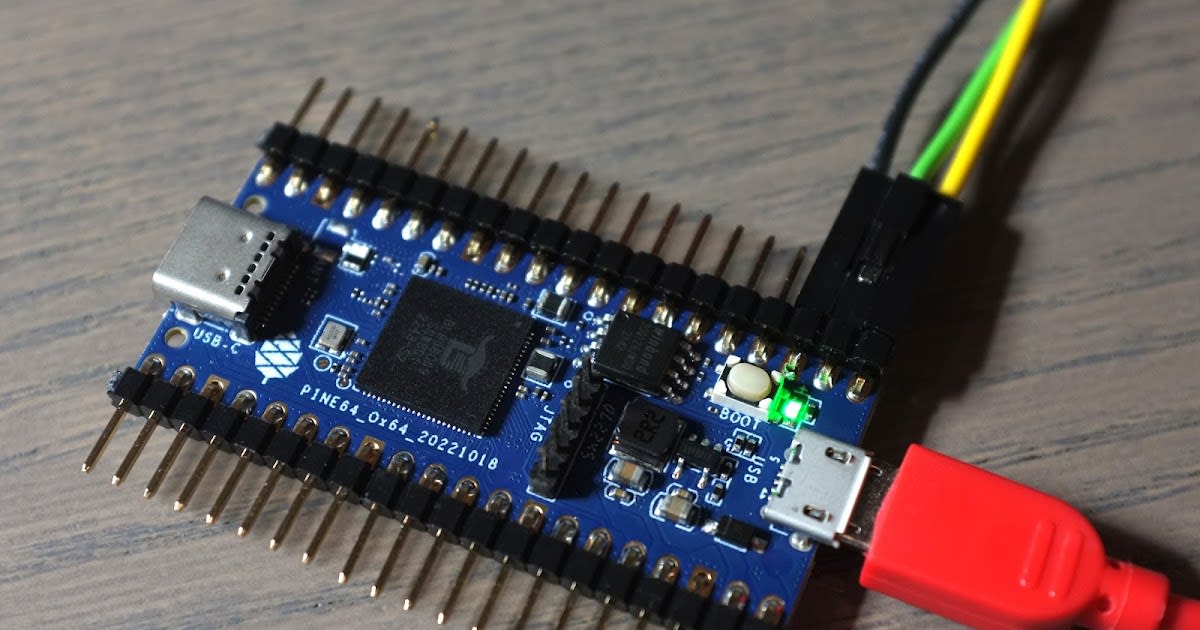
Low-cost hardware like the $8-$10 OpenStick is gaining traction for hobbyist projects and lightweight Linux-based homelabs. Despite modest specifications, these devices demonstrate the viability of repurposing budget ARM hardware for self-hosting and development.
The Rise of Ultra-Budget Computing
The emergence of ultra-low-cost computing devices, such as the $8 Linux computer and the $10 OpenStick, marks a significant shift in the hobbyist hardware landscape. These devices, which often originate from surplus or specialized manufacturing runs, provide a low-barrier entry point for developers and enthusiasts to experiment with Linux environments. By packing essential components like an ARM Cortex-A53 CPU and 512 MB of RAM into a pocket-sized form factor, these gadgets challenge the notion that effective self-hosting requires expensive, power-hungry server hardware.
Technical Constraints vs. Creative Potential
While the hardware specifications—featuring 512 MB of RAM and 4 GB of eMMC flash—might appear limiting compared to modern flagship smartphones or desktop PCs, they are surprisingly capable for specific tasks. For developers like Bram Stolk, these devices serve as niche development platforms or experimental nodes. The inclusion of a 4G modem and GPS in the OpenStick specifically opens doors for mobile projects, edge computing, and location-aware applications that would be impractical on traditional, stationary single-board computers.
The Linux Advantage in Micro-Computing
Running a full Debian distribution on such constrained hardware highlights the efficiency of the Linux kernel and its ecosystem. The ability to utilize systemd for service monitoring and scheduling allows users to turn these 'novelty' sticks into functional, silent homelab nodes. This capability transforms a simple USB-sized gadget into a persistent server capable of running lightweight web services, network monitoring tools, or home automation controllers without the noise or power consumption associated with standard desktop-grade servers.
Implications for Indie Development
For independent creators, the availability of $10 hardware represents a democratization of infrastructure. As showcased by indie game developers, utilizing inexpensive, passively cooled hardware allows for continuous development and testing cycles without significant capital expenditure. This trend encourages a 'hacker' ethos where the ingenuity of the software configuration compensates for the physical limitations of the silicon, fostering a culture of optimization and resource efficiency.
Future Trends in Edge Hardware
Looking forward, the popularity of these devices suggests a growing market for specialized, low-power edge computing solutions. As connectivity hardware like Wi-Fi and 4G modems becomes cheaper to integrate, we can expect to see more 'disposable' or 'novelty' hardware being repurposed for serious technical projects. While these devices are unlikely to replace primary workstations, they serve as the backbone for a burgeoning ecosystem of distributed, low-power computing that is essential for the future of the Internet of Things (IoT) and personal server management.
Conclusion
In conclusion, the $10 OpenStick and similar devices are far more than just technological novelties. They represent a functional intersection of accessibility and utility, proving that even with limited resources, a robust Linux environment can facilitate meaningful development and self-hosting. For the tech-savvy individual, these devices offer a unique platform to learn, experiment, and deploy services in a way that is both sustainable and incredibly cost-effective.