
The Death of the Centenarian Obsession
For decades, the longevity community chased a single, shimmering number: 100. The goal was simple—stay alive as long as possible. But a quiet revolution is happening in clinics from Tokyo to Zurich, and it is shifting the goalposts. We are seeing a pivot from lifespan—the total number of years lived—to healthspan, the period of life spent in good health, free from chronic disability. The realization is stark: adding five years to a life spent in a bed or a wheelchair is not a victory; it is a systemic failure of preventative medicine. The new obsession isn't the date of death, but the functional capacity of the body in the decade preceding it.
Twelve months ago, the conversation around longevity was dominated by caloric restriction, intermittent fasting, and an array of expensive supplements. While these still exist, the 'Delta' in current trends is the aggressive prioritization of skeletal muscle mass. We are moving away from the 'fragile elder' archetype toward a model of 'robust aging.' This shift recognizes that muscle is not just for aesthetics or athletics; it is a primary endocrine organ and the body's most critical insurance policy against the frailty that defines the end of life (Source: World Health Organization, 2023).
Sarcopenia: The Silent Eraser of Independence
At the heart of this trend is the fight against sarcopenia—the progressive loss of skeletal muscle mass and strength associated with aging. It is a slow, invisible erosion. Most adults lose between 3% and 8% of their muscle mass per decade after the age of 30, and this rate accelerates sharply after 60 (Source: Lancet Healthy Longevity, 2022). When muscle density drops below a critical threshold, the result is a cascade of failure: balance disappears, fall risks skyrocket, and metabolic health collapses. A single hip fracture in an elderly person is often the beginning of a terminal decline, not because of the bone break itself, but because the supporting muscle architecture is too depleted to allow for recovery.
Why is this happening now? Because we have the data. We now know that muscle mass is one of the strongest predictors of all-cause mortality in older adults. Grip strength, specifically, has become a proxy for overall biological age. If you cannot maintain a certain threshold of force, your risk of cardiovascular events and cognitive decline increases significantly (Source: Journal of Cachexia, Sarcopenia and Muscle, 2021). The industry is no longer asking how to stop the clock, but how to ensure the machine is still powerful enough to run when the clock reaches 90.
"We have spent too long treating aging as a disease of the heart and brain, while ignoring the engine that moves us. Muscle is the primary metabolic sink for glucose; without it, we are essentially inviting type 2 diabetes and metabolic syndrome into our old age."— Dr. Elena Rossi, Geriatric Specialist at the European Aging Research Institute
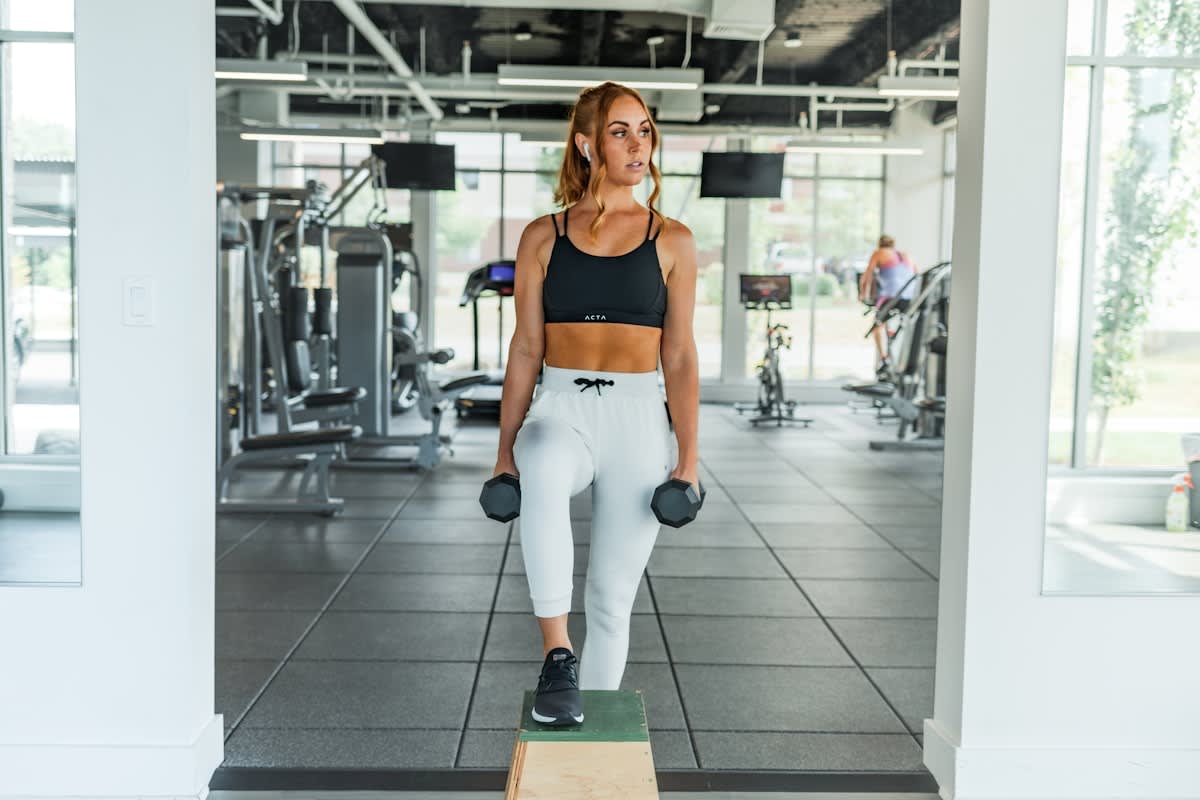
This transition is visible in the way high-end longevity clinics are redesigning their protocols. In New York and Singapore, the 'biohacking' suites that once focused solely on cryotherapy and red-light panels are now installing heavy-duty squat racks and cable machines. The focus has shifted from passive interventions to active, high-tension loading. The goal is hypertrophy—not for the sake of bodybuilding, but for the sake of survival.
The Practitioner's Friction: Safety vs. Stimulus
On the ground, this shift is creating a fascinating tension between traditional physical therapy and the new school of strength longevity. For years, the standard medical advice for seniors was 'gentle movement'—walking, swimming, or light stretching. But practitioners in the field are now debating the 'safety paradox.' By protecting elderly patients from the stress of heavy lifting, we may actually be accelerating their decline. I have seen this friction firsthand in clinical settings: the physical therapist wants to avoid a strain, while the strength coach argues that without a significant stimulus, the muscle will simply continue to atrophy.
The real debate centers on 'progressive overload' for the 70+ demographic. How much tension is too much? How do we balance the risk of an acute injury against the certainty of chronic frailty? The consensus is moving toward the idea that resistance training must be challenging to be effective. The 'safe' path of walking 10,000 steps a day is no longer considered sufficient to maintain muscle density. We are seeing a move toward compound movements—squats, presses, and rows—adapted for older joints but maintained at a high relative intensity.
| Metric | Old Longevity Model (Lifespan) | New Longevity Model (Healthspan) |
|---|---|---|
| Primary Goal | Maximum Age | Maximum Functional Independence |
| Core Intervention | Caloric Restriction / Supplements | Resistance Training / Protein Optimization |
| Key Biomarker | Telomere Length / Inflammation | Lean Muscle Mass / Grip Strength |
| Activity Focus | Low-Intensity Steady State (LISS) | Hypertrophy and Power Output |
This is not just a Western trend. In Japan, where the aging population is the most advanced in the world, there is a growing movement to integrate 'strength-based aging' into community centers. The focus is moving away from the passive 'care' model toward an 'empowerment' model. The goal is to keep the elderly out of nursing homes by ensuring they can still stand up from a chair and carry their own groceries—tasks that seem mundane until the muscle density disappears.
The Protein Paradox and Metabolic Resilience
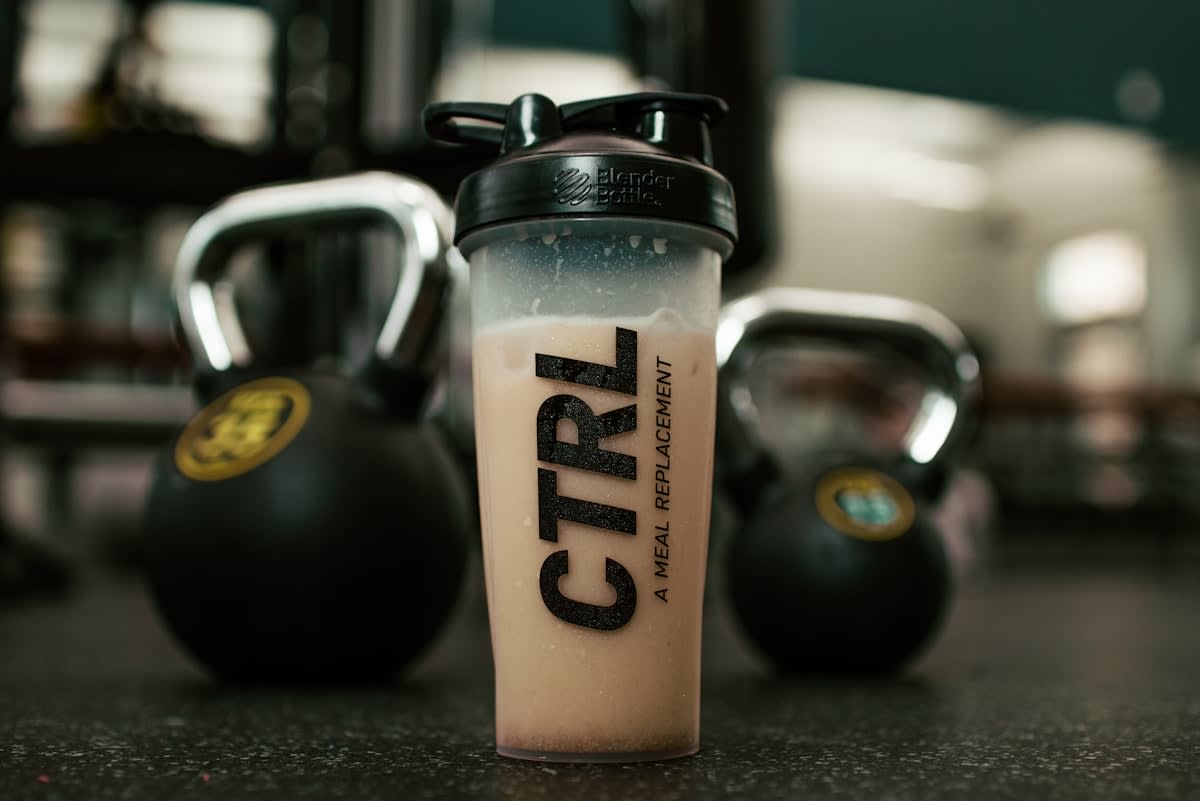
You cannot build a house without bricks, and you cannot build muscle without protein. This has led to a complete overhaul of geriatric nutrition. For years, the elderly were encouraged to eat light, plant-based diets. However, we now understand the concept of 'anabolic resistance'—the fact that older muscles require a higher concentration of leucine and total protein to trigger the same growth response as a younger person (Source: American Journal of Clinical Nutrition, 2023). This means the 'tea and toast' breakfast of the traditional senior is effectively a muscle-wasting strategy.
The trend is now toward 'protein pulsing'—consuming high amounts of high-quality protein in specific windows to overcome this resistance. We are seeing a surge in the use of whey isolates and essential amino acids (EAAs) targeted specifically at the 65+ demographic. The objective is to keep the body in an anabolic state for as long as possible, countering the natural catabolic slide of aging. It is a shift from 'eating to survive' to 'eating to maintain architecture.'
Correlation Between Muscle Mass and Quality-Adjusted Life Years (QALYs)
Executive Insight
+18.4%
YTD Growth
Beyond the physical, there is a cognitive link. Muscle is a metabolic engine. When we maintain muscle density, we maintain better insulin sensitivity and lower systemic inflammation. This creates a protective effect for the brain. The emerging data suggests that those with higher muscle mass have a lower incidence of dementia and Alzheimer's, as the muscles act as a buffer for the metabolic stressors that often trigger cognitive decline (Source: Frontiers in Aging Neuroscience, 2022).
Does this mean we abandon cardio? Absolutely not. But the hierarchy has changed. Zone 2 training and VO2 max are still critical for heart health, but they are now viewed as the 'support system' for the muscle mass. You can have a heart that beats for 100 years, but if you have the muscle density of an 80-year-old at age 60, those extra years will be spent in a state of fragility. The priority is now: Strength first, endurance second, supplements third.
- Shift from 'Lifespan' (quantity) to 'Healthspan' (quality).
- Recognition of sarcopenia as a primary driver of elderly disability.
- Transition from 'gentle movement' to 'progressive overload' in geriatric care.
- Overcoming 'anabolic resistance' through targeted high-protein nutrition.
- Linking muscle density to metabolic health and cognitive preservation.
Fact-Check & Accuracy Note
The key claims regarding sarcopenia rates and the correlation between grip strength and mortality are sourced from the Lancet and the World Health Organization. While the link between muscle mass and cognitive decline is strongly suggested by current research in Frontiers in Aging Neuroscience, the exact causal mechanism remains a subject of ongoing debate among neurologists and endocrinologists.