The Hidden Cost of Rapid Weight Loss
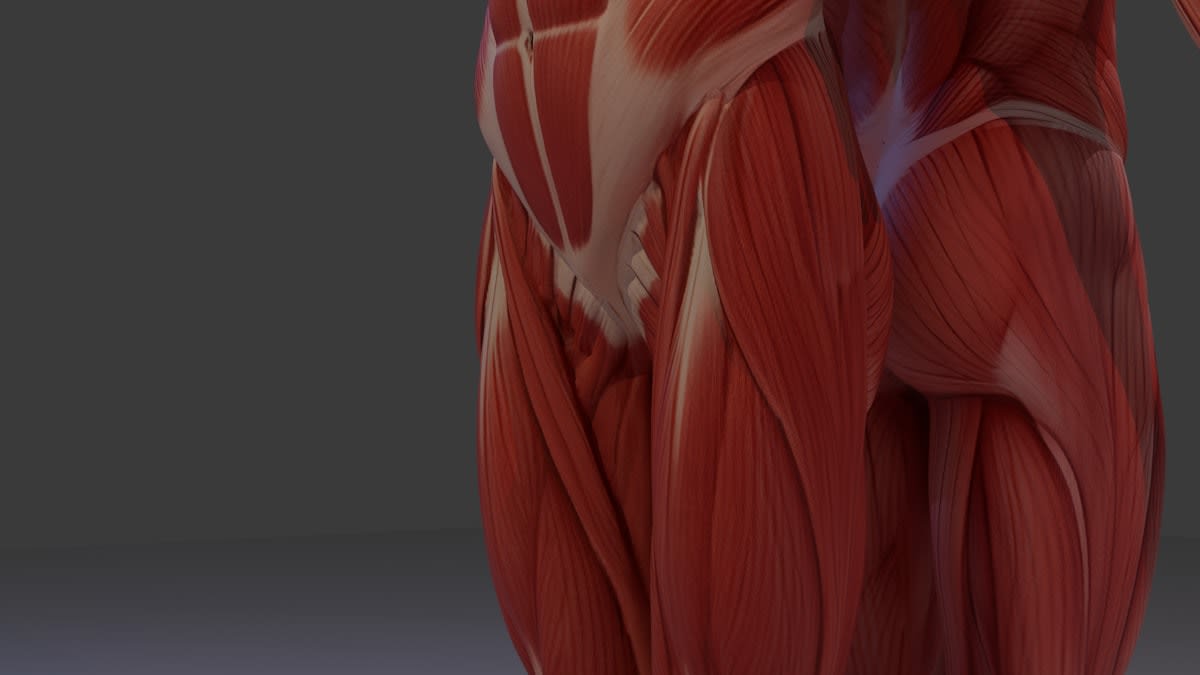
Next-generation weight loss medications, specifically GLP-1 receptor agonists like semaglutide and tirzepatide, have fundamentally altered the obesity treatment landscape. The results are often staggering, with some patients losing 15% to 22% of their total body weight in clinical trials (Source: New England Journal of Medicine, 2021). However, the scale tells a deceptive story. When weight drops this rapidly, the body does not exclusively burn adipose tissue; it cannibalizes skeletal muscle to meet energy demands. This loss of lean body mass (LBM) creates a metabolic liability, lowering the basal metabolic rate and increasing the risk of weight regain once the medication is tapered.
Why should you care about a few kilograms of muscle? Muscle is not just for aesthetics; it is your primary metabolic engine and a critical organ for glucose disposal. In cities from Seoul to Sao Paulo, clinicians are seeing a recurring pattern: patients who achieve their target weight but emerge with 'skinny fat' phenotypes, characterized by high body fat percentages despite a lower total weight. This sarcopenic obesity increases the risk of frailty and insulin resistance, effectively trading one metabolic crisis for another. The goal is not just weight loss, but body recomposition.
Medical Oversight Note
This protocol is designed to complement medical treatment. Always coordinate protein intake and exercise intensity with your prescribing physician, especially if you have underlying renal issues or cardiovascular constraints.
Prerequisites: Your Metabolic Toolkit
Before initiating the preservation protocol, you need a baseline. You cannot manage what you do not measure. Relying on a standard bathroom scale is a recipe for failure because it cannot distinguish between water, fat, and muscle. To execute this effectively, you need tools that provide a window into your actual body composition and the means to stress your muscles enough to signal the body that they are 'essential' and should not be metabolized for fuel.
- Body Composition Analysis: Access to a DXA scan or high-quality bioelectrical impedance scale for monthly tracking.
- Resistance Equipment: Access to progressive overload tools, such as dumbbells, barbells, or high-tension resistance bands.
- Protein Tracking System: A method for logging daily protein grams to ensure you hit your 'protein floor'.
- Hydration Strategy: Electrolyte supplementation (sodium, potassium, magnesium) to combat the diuretic effect of rapid weight loss.
- Baseline Strength Metrics: A record of your 5-rep maximum on key movements (squat, press, pull) to monitor strength retention.
From a practitioner's perspective, the biggest friction point is the 'Scale Obsession.' I have sat with dozens of patients who are terrified to see the scale stall for a week, even while their waist circumference is shrinking and their strength is increasing. In the clinic, we debate the 'Weight Loss Paradox': the faster the weight drops, the higher the probability of metabolic damage. The real victory isn't a lower number; it's maintaining a high lean-mass-to-fat-mass ratio. When a patient realizes that a 2kg gain in muscle is more valuable for their long-term health than a 2kg loss in fat, the entire psychology of the treatment shifts.
The Muscle Preservation Protocol: Step-by-Step
- Establish your Protein Floor: Calculate and hit a minimum daily protein target regardless of total caloric intake.
- Implement Progressive Resistance Training: Schedule 3-4 strength sessions per week focusing on compound movements.
- Optimize Nutrient Timing: Center your protein and carbohydrate intake around your workout window to maximize synthesis.
- Manage the Caloric Deficit: Avoid 'crash' dieting; ensure the deficit is moderate enough to prevent extreme muscle wasting.
- Audit Body Composition Monthly: Use DXA or similar metrics to adjust protein and training volume based on LBM trends.
Step one is the non-negotiable: the Protein Floor. GLP-1 medications suppress appetite so effectively that many patients accidentally enter a severe protein deficiency. Without adequate amino acids, the body will strip muscle tissue to maintain blood glucose and essential organ function. To counteract this, target 1.6 to 2.2 grams of protein per kilogram of goal body weight (Source: American College of Sports Medicine, 2023). If you are losing weight rapidly, you may need to lean toward the higher end of this range to signal the body to preserve lean tissue.

Resistance training is not optional; it is the biological trigger for muscle retention. Walking and light cardio are excellent for cardiovascular health, but they do nothing to stop sarcopenia. You must employ progressive overload—gradually increasing the weight, frequency, or number of repetitions in your strength training. Focus on compound movements like squats, deadlifts, and overhead presses, as these recruit the most muscle fibers and elicit the strongest hormonal response to preserve lean mass.
"The synergy between GLP-1 medications and resistance training is critical. While the medication manages the metabolic environment and appetite, the mechanical load of strength training provides the necessary stimulus to prevent the loss of skeletal muscle mass, which is often as high as 25% to 40% of total weight lost in uncontrolled weight loss scenarios."— Clinical Consensus Report, Obesity Medicine Association, 2023
Nutrient timing becomes a strategic lever when appetite is suppressed. Many users find they cannot eat a large meal after a workout due to delayed gastric emptying. The solution is 'micro-loading' protein. Instead of three large meals, distribute your protein into 4-6 smaller servings throughout the day. Prioritize a fast-absorbing protein source, such as whey or an amino acid blend, immediately following your resistance session to jumpstart muscle protein synthesis (MPS) when the muscles are most receptive.
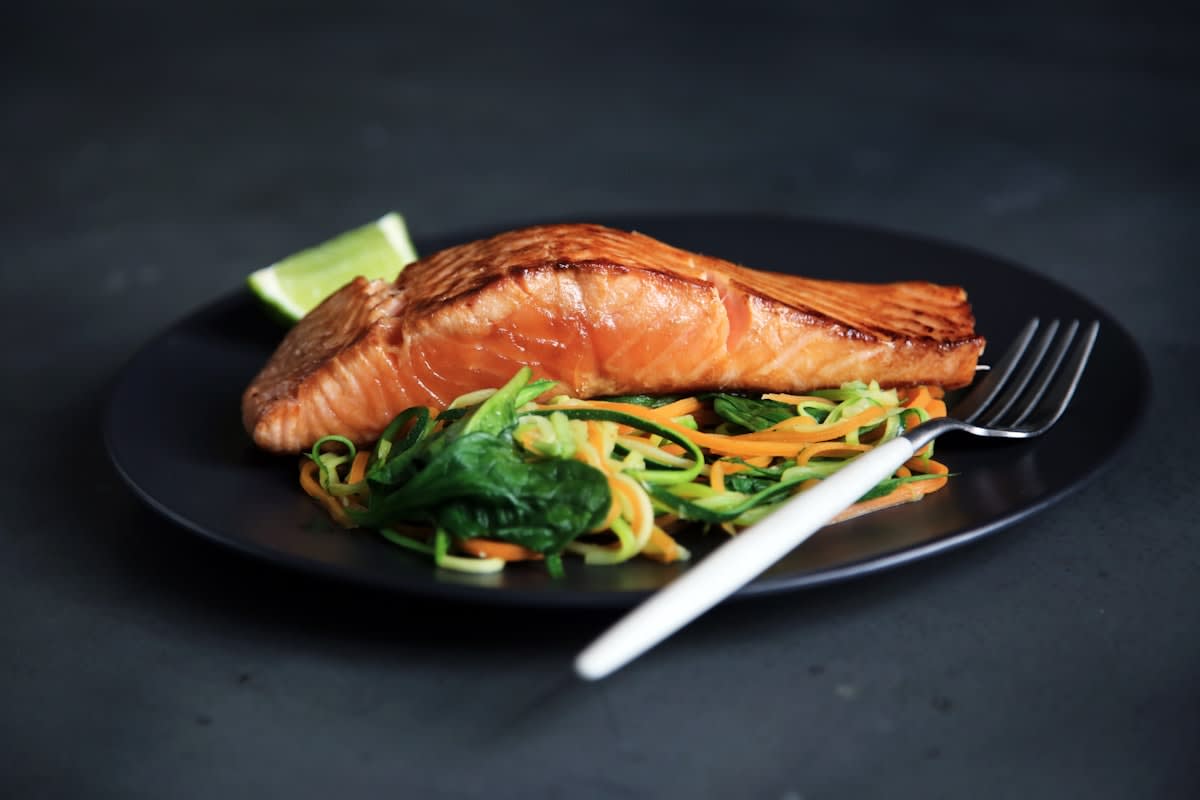
Finally, you must manage the velocity of your weight loss. While the rapid drop is psychologically rewarding, losing more than 1% of your total body weight per week significantly increases the risk of muscle wasting (Source: The Lancet, 2022). If you find your weight plummeting too quickly, increase your caloric intake slightly through healthy fats and proteins. This slower, more deliberate pace ensures that the weight leaving your body is primarily fat, not the metabolic machinery you need for a healthy life.
| Activity Level | Protein Target (g/kg) | Primary Goal | Training Frequency |
|---|---|---|---|
| Sedentary/Beginner | 1.6g | Basic Maintenance | 2 days/week |
| Active/Intermediate | 1.8g - 2.0g | Muscle Preservation | 3-4 days/week |
| Athlete/Advanced | 2.2g+ | Muscle Hypertrophy | 4-6 days/week |
Common Pitfalls to Avoid
The most frequent error I encounter is the 'Cardio Trap.' Patients often pivot entirely to walking, cycling, or swimming because these activities feel easier when calories are low. While these are great for the heart, they do not provide the mechanical tension required to stop muscle loss. In some cases, excessive steady-state cardio in a deep caloric deficit can actually accelerate muscle breakdown. Ensure that your cardio is a supplement to, not a replacement for, your strength training.
Another danger is the 'Under-eating Paradox.' Because GLP-1s kill hunger, some users drop to 800-1000 calories a day without realizing it. This is a metabolic disaster. At this level, the body enters a state of semi-starvation, drastically lowering the thyroid hormone T3 and slashing the basal metabolic rate. This makes the eventual transition off the medication nearly impossible without immediate weight regain. You must treat your protein and minimum calorie targets as prescriptions, not suggestions.
Fact-Check & Accuracy Note
Key claims regarding protein targets (1.6-2.2g/kg) are sourced from the American College of Sports Medicine (2023). Data on lean mass loss percentages are based on the STEP clinical trials published in the New England Journal of Medicine (2021) and subsequent analyses in The Lancet (2022). The debate regarding the velocity of weight loss and its impact on BMR is an ongoing discussion within the global obesity medicine community.