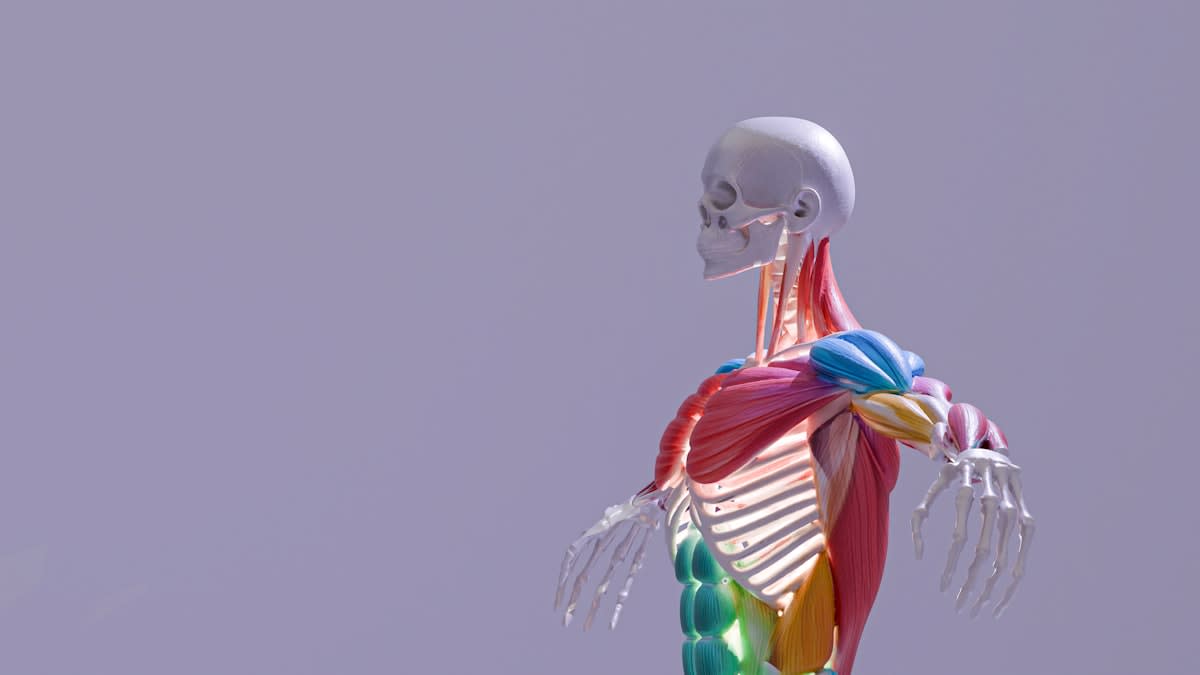
The Concept of Biological Insurance
Most people treat physical fitness as a pursuit of aesthetics or a temporary response to a health scare. This is a fundamental mistake. In the realm of longevity, muscle mass is not about the mirror; it is biological insurance. As we age, the body naturally undergoes sarcopenia, the progressive loss of skeletal muscle mass and strength. This isn't just a nuance of getting older; it is a primary driver of disability and the loss of independence. Why wait for the decay to start before you build the defense? By treating muscle as a reserve, you create a buffer that protects you against the inevitable shocks of aging, from sudden illness to the fragility of bone density.
The data is stark and encouraging. According to longevity specialist Dr. Ingrid Yang, meeting standard physical activity guidelines is associated with a 20 to 30% reduction in all-cause mortality compared with inactivity. This isn't a marginal gain; it is a systemic shift in survival probability. Movement slows key biological aging processes and preserves the very machinery that allows a human to remain autonomous. Whether you are navigating the high-density urban environment of Tokyo or the rolling hills of the Tuscan countryside, the physiological requirement remains the same: you must maintain a threshold of strength to avoid the trap of frailty.
Defining the Enemy
Sarcopenia is the age-related loss of muscle mass and strength. While it is a natural process, proactive intervention can significantly slow its progression, ensuring that the transition into older age is defined by capability rather than limitation.
Prerequisites for the Protocol
Before initiating the Muscle Reserve Protocol, you must shift your mindset from 'exercise' to 'training.' Exercise is something you do to burn calories; training is a systematic approach to achieving a specific biological outcome. You do not need an expensive membership at a luxury health club in London or New York to execute this. The requirements are basic, but the consistency must be absolute. You will need a way to track your volume, a source of high-quality protein, and a commitment to progressive overload.
- Resistance tools: These can be dumbbells, resistance bands, or simply your own body weight.
- Protein-dense nutrition: Access to lean meats, legumes, or high-quality supplements to support muscle synthesis.
- Cardiovascular access: A safe place to walk, jog, or access to a swimming pool.
- Tracking log: A simple notebook or app to record repetitions and weights to ensure growth.
The Step-by-Step Execution
- Establish a Weight-Bearing Foundation: Begin with daily walking and jogging to prime the skeletal system and improve basic metabolic function.
- Implement the Resistance Engine: Integrate compound movements like squats, lunges, push-ups, and planks to build raw strength and bone density.
- Integrate the Cardiovascular Buffer: Incorporate moderate-intensity swimming to enhance vascular function and organ health without joint stress.
- Optimize the Nutritional Fuel: Increase protein intake specifically to combat the anabolic resistance common in older adults.
- Monitor and Scale: Periodically increase the intensity of resistance training to prevent plateaus and continue building the reserve.
The 'Resistance Engine' is the core of this protocol. Jennifer Scherer, a medical exercise specialist, emphasizes that strength is directly linked to independence. To build this, you must prioritize compound movements. Squats and lunges are not just for athletes; they are the movements of daily survival. They preserve joint health and metabolic function while drastically reducing the risk of falls and fractures. Push-ups and planks provide the core and upper-body stability required to maintain posture and prevent the skeletal collapse often seen in advanced sarcopenia.

While strength provides the structure, swimming provides the systemic maintenance. Dr. Yang notes that swimming supports long-term health by improving cardiovascular fitness, balance, and vascular function across multiple organ systems. To optimize these benefits without inducing excessive fatigue, the protocol suggests two to three sessions weekly. For those seeking a significant reduction in mortality risk, aiming for 2.5 to five hours of moderate-intensity swimming per week is the gold standard. This low-impact approach allows for high-volume cardiovascular work that doesn't compromise the joints, making it an ideal companion to heavy resistance training.
"Strength is directly linked to independence as we age, making resistance training essential for long-term quality of life."— Jennifer Scherer, Medical Exercise Specialist
None of the physical effort matters if the biological building blocks are missing. There is a critical shift in nutritional requirements as we age. While some dietary trends suggest protein restriction for longevity, the reality of sarcopenia demands the opposite for older adults. Current research advises that older adults consume more protein to prevent frailty. Muscle protein synthesis becomes less efficient over time—a phenomenon known as anabolic resistance. To overcome this, you must aggressively fuel your recovery with amino acids to ensure that the stress of training results in actual tissue growth rather than further depletion.
Quantifying the Impact
To understand why this protocol is necessary, one must look at the delta between the active and the inactive. The difference is not merely a few kilograms of muscle; it is the difference between a life of autonomy and a life of dependence. By combining weight-bearing exercises, resistance training, and swimming, you are attacking age-related decay from three different physiological angles: skeletal density, muscular power, and vascular efficiency.
| Protocol Element | Primary Biological Target | Key Outcome |
|---|---|---|
| Resistance Training | Skeletal Muscle & Bone Density | Prevention of Sarcopenia & Fractures |
| Moderate Swimming | Vascular & Organ Systems | Reduced All-Cause Mortality |
| Increased Protein | Muscle Protein Synthesis | Combatting Frailty |
| Weight-Bearing (Walking) | Metabolic & Joint Function | Baseline Mobility |
Common Pitfalls to Avoid
The most frequent error practitioners make is the 'all-or-nothing' fallacy. They attempt to jump from total inactivity to five hours of swimming and daily heavy lifting, leading to injury and burnout. The protocol is a marathon, not a sprint. Start with walking and basic bodyweight movements before layering in complexity. If you ignore the progressive nature of the load, you risk joint inflammation that can sideline you for weeks, erasing your hard-won gains.
Another critical failure is the protein gap. Many older adults maintain a traditional diet that is too low in protein, mistakenly believing that 'light eating' is the key to longevity. In reality, under-eating protein while exercising actually accelerates muscle loss. You cannot build a reserve if you are in a chronic protein deficit. Ensure that every meal contains a high-quality protein source to provide the amino acids necessary for repair.
Finally, avoid the trap of cardiovascular exclusivity. Many people believe that walking or swimming alone is enough to 'stay healthy.' While these are vital for the heart and lungs, they do nothing to stop the loss of muscle mass. Without the resistance engine—the squats, the push-ups, the lunges—you are merely maintaining a cardiovascular system that is attached to a decaying frame. True biological insurance requires both the pump and the pillar.