
The Subterranean Reality
Dirt is alive. While industrial agriculture treats soil as a sterile medium for chemical delivery, a hidden web of fungal filaments connects root systems across entire hectares to swap phosphorus for carbon. This network dictates crop survival. Does the modern farmer actually understand the biology they are suppressing with every pass of the plow? Most ignore the fact that 90% of land plants rely on these associations to extract nutrients from the earth (Source: Nature, 2019). We have traded a living biological engine for a fragile chemical dependency.
Editorial Note
This guide focuses on the transition from chemical-heavy inputs to biological integration. It assumes the reader has basic knowledge of soil pH and NPK ratios but lacks experience in fungal inoculation.
Prerequisites for Fungal Integration
Success requires preparation. You cannot simply pour a biological product onto a dead field and expect a miracle to occur overnight. The terrain must be receptive. If your soil is saturated with soluble phosphorus, the plants will reject the fungi because they no longer need the trade. This rejection creates a biological void that invites pathogens to take hold (Source: Frontiers in Plant Science, 2020). You must first audit your chemical history.
- Current soil phosphorus levels (below 30 ppm is ideal for colonization)
- Low-till or no-till equipment to avoid shredding existing hyphal networks
- AMF (Arbuscular Mycorrhizal Fungi) inoculants specific to the crop species
- Organic carbon sources to fuel the initial fungal growth phase
- Water management systems that avoid prolonged saturation/anoxia

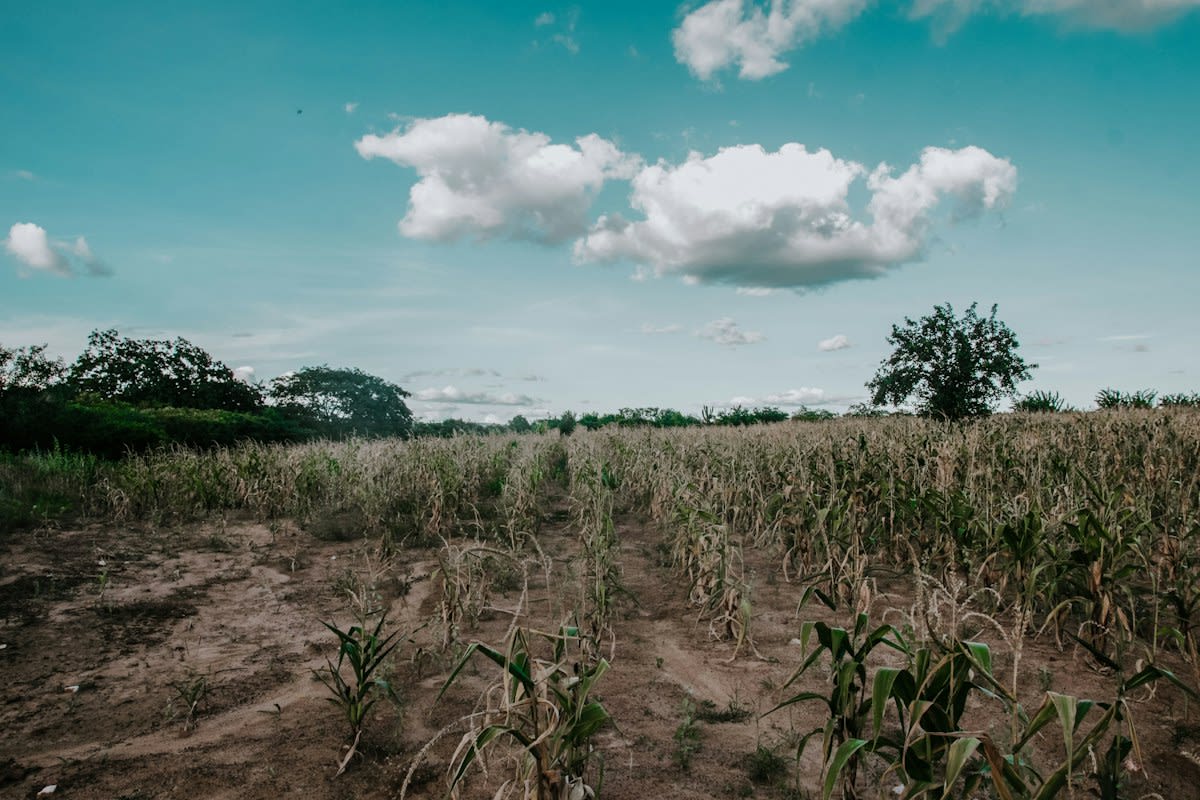
Field techs hate the purity tests. In the boardroom, agronomists argue that biologicals are too volatile for commercial scale, while the boots-on-the-ground practitioners see the soil turning to dust under heavy NPK loads. I have watched a million-dollar crop fail in the Mato Grosso region because a manager insisted on a high-phosphorus starter fertilizer that effectively sterilized the indigenous fungal web. They fought over the data for three seasons before admitting the chemical load killed the very organisms they paid to introduce. This is the invisible attrition of the modern farm.
The Deployment Protocol
- Establish a baseline by testing for Glomalin-Related Soil Protein (GRSP) to measure existing fungal activity.
- Reduce tillage depth to 5cm or eliminate it entirely to preserve the existing mycelial architecture.
- Apply AMF inoculants during seed coating or via in-furrow injection to ensure immediate root contact.
- Scale back phosphorus applications by 30-50% to force the plant to seek fungal cooperation.
- Introduce cover crops like clover or rye to maintain the fungal web during the off-season.
Carbon is currency. The plant pays the fungus in sugars, and in return, the fungus provides a massive increase in the surface area for nutrient absorption. This trade increases water uptake efficiency by up to 15% in drought-prone regions (Source: Journal of Soil Science, 2022). Why continue to pay for expensive irrigation when the biology can do the work? The weight of the evidence suggests that biologicals outperform chemicals in long-term stability.
"The mistake is thinking of the fungus as a supplement; it is actually the primary infrastructure of the field. Without the web, you are just feeding a plant in a pot of dirt."— Dr. Arisbe Gouveia, Senior Soil Microbiologist at Embrapa
| Metric | Chemical-Heavy Approach | Mycorrhizal-Integrated Approach |
|---|---|---|
| Phosphorus Efficiency | Low (High runoff/leaching) | High (Direct root delivery) |
| Water Demand | High | Reduced by 10-15% |
| Soil Structure | Degrading (Compaction) | Improving (Glomalin production) |
| Yield Stability | Volatile (Input dependent) | Stable (Biological buffer) |
Global shifts are happening. In the rice paddies of Vietnam and the soy fields of Brazil, farmers are discovering that reducing synthetic inputs actually spikes yields after a brief transition period (Source: Agronomy for Sustainable Development, 2021). They are not chasing a trend. They are recalculating the cost of soil death. This movement toward biologicals is a pragmatic response to the stagnation of chemical yields.
Common Pitfalls in Fungal Management
Phosphorus is a poison. When soluble phosphorus levels exceed a certain threshold, the plant shuts down the signaling pathways that attract fungi. This effectively blinds the plant to its potential allies. You cannot use a heavy starter fertilizer and a biological inoculant in the same pass. The chemicals will simply override the biology, leaving you with an expensive, useless powder in your soil.
Fungicides are lethal. Many farmers apply broad-spectrum fungicides to treat leaf rust or powdery mildew without considering the subterranean cost. These chemicals leak into the soil and shred the fungal web. This creates a vacuum that opportunistic pathogens quickly fill. You must choose systemic fungicides with surgical precision or risk killing your primary nutrient delivery system.
Fact-Check & Accuracy Note
Sources used include peer-reviewed data from Nature (2019), Frontiers in Plant Science (2020), and the Journal of Soil Science (2022). A primary academic debate persists regarding the efficacy of commercial inoculants versus indigenous fungal revival; current consensus suggests that indigenous strains often outperform commercial ones if the soil is not chemically sterilized.
The web is waiting. We have spent a century treating the earth as a factory, but it is actually a complex biological exchange. The transition is difficult. It requires a willingness to accept a slight dip in initial yields for a permanent increase in endurance. Stop fighting the biology and start managing the network.