Maharashtra's New Power Model Aims To Turn Excess Solar Into 24x7 Supply
Source Entity
NDTV News Search Records Found 1000
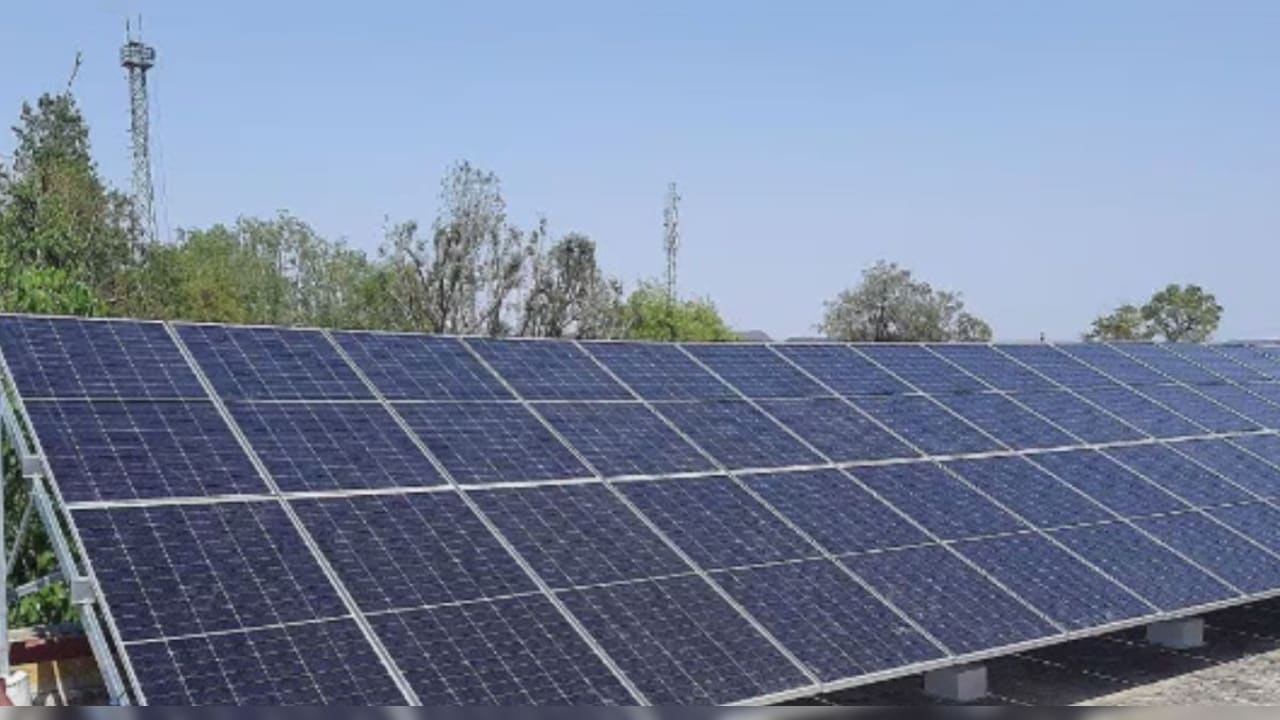
Maharashtra is launching a new power model to optimize solar energy usage by shifting sourcing and balancing responsibilities to suppliers. This initiative seeks to provide 24/7 power supply while maintaining MSEDCL's control over electricity distribution.
Maharashtra’s Strategic Pivot to Renewable Energy Integration
Maharashtra has officially embarked on a transformative journey to modernize its electrical grid through a new power procurement model designed to leverage the state’s growing solar capacity. By shifting the complex operational burdens of sourcing, scheduling, and balancing power to private suppliers, the state aims to overcome the intermittency issues that have historically plagued renewable energy integration. This shift represents a fundamental change in how the Maharashtra State Electricity Distribution Company Limited (MSEDCL) interacts with the private energy sector.
The Shift in Operational Responsibility
Under the new framework, the responsibility for ensuring a consistent supply of electricity is moved away from the state utility and placed firmly on the shoulders of the suppliers. By requiring these entities to handle the intricate task of balancing supply and demand, MSEDCL can focus on its primary mandate: the effective deployment and distribution of electricity to consumers. This compartmentalization of duties is expected to reduce the administrative and technical strain on the state utility, allowing for a more agile response to grid fluctuations.
Leveraging Excess Solar for Grid Stability
One of the primary objectives of this policy is the conversion of excess solar generation into a reliable 24/7 power supply. Solar energy, while abundant in Maharashtra, is inherently variable. The new model forces suppliers to innovate in how they package solar energy with storage or complementary sources to meet the round-the-clock requirements of the state. By incentivizing suppliers to manage the balancing act, the state effectively turns its solar surplus into a stable, base-load capable resource.
Implications for the Energy Market
This model has broader implications for India’s energy landscape, potentially serving as a blueprint for other states struggling with grid stability. By offloading the 'balancing' risk to those best positioned to manage it—the power producers—the market gains efficiency. This creates a competitive environment where suppliers are motivated to invest in advanced forecasting and storage technologies to minimize penalties and maximize the reliability of their output.
Future Trends and Sustainability
Looking ahead, this transition suggests a long-term trend toward a decentralized yet highly integrated grid. As Maharashtra continues to scale its renewable infrastructure, the ability to maintain control over deployment while outsourcing the supply chain logistics will be critical. If successful, this policy could significantly lower the operational costs for MSEDCL while simultaneously accelerating the state's transition toward a carbon-neutral energy mix, ensuring that the benefits of green energy reach every household without the traditional reliability trade-offs.
Verification Required?