
Muscle memory is a lie. While therapists once believed that repetitive physical motion alone could rebuild a severed neural connection, the data now proves that without precise electrical stimulation, the brain simply creates inefficient bypasses. This is the new reality. Why do we still trust the treadmill? For decades, the default approach relied on the hope that the body would eventually find its way back to function through sheer volume of effort. This belief ignored the electrical requirements of the motor cortex.
The Death of Passive Repetition
The spark is gone. When a patient suffers a traumatic brain injury, the neural pathways often resemble a shattered mirror where signals bounce aimlessly instead of reaching their target. We need a new map. In Seoul, clinicians are abandoning traditional kinesiology in favor of paired associative stimulation. This technique synchronizes the arrival of signals at the synapse to force a connection that repetition alone cannot achieve (Source: Korea Journal of Rehabilitation Medicine, 2023). It changes the game entirely.
Timing is everything. If a stimulus hits the brain ten milliseconds too late, the window for plasticity slams shut and the effort becomes a waste of energy. Accuracy beats volume. Recent trials in São Paulo demonstrate that patients receiving AI-timed electrical bursts showed a 40% increase in motor control compared to those in standard therapy (Source: Lancet Neurology, 2023). The weight of evidence is clear. We are no longer training muscles; we are training electricity.
"The shift we are seeing in 2024 is not about better machines, but about the precision of the signal. We have moved from the era of the hammer to the era of the scalpel in neural rehabilitation."— Dr. Elena Rossi, Director of Neuro-Rehab at Politecnico di Milano
The clinic is loud. In the halls of the Seoul National University Hospital, a quiet war rages between the old-guard kinesiologists and the new-wave neural engineers over the exact millisecond a stimulus should hit the motor cortex. One group demands slow, steady repetitions to avoid overwhelming the patient, while the other pushes for high-intensity bursts that mirror the brain's natural firing patterns. This friction creates a chaotic environment. The patient is often the only one not arguing about the protocol.
Measuring the 2024 Delta
The gap is widening. Twelve months ago, the industry viewed Brain-Computer Interfaces (BCI) as a luxury for the few, but 2024 has seen a hard turn toward scalable, non-invasive arrays. The speed is staggering. New data indicates that non-invasive BCI integration has reduced the average recovery timeline for upper-limb mobility by 15% (Source: Nature Medicine, 2024). This is a structural break. The old playbook is obsolete.
| Metric | Traditional Rehab (2022) | Neuromodulation (2024) |
|---|---|---|
| Recovery Window | 12-24 Months | 6-12 Months |
| Motor Control Gain | 22% | 40% |
| Patient Dropout Rate | 35% | 18% |
| Neural Plasticity Rate | Low/Linear | High/Exponential |
Data does not lie. When we compare the current recovery rates in Nairobi's emerging neuro-hubs to the Western standards of five years ago, the efficiency gain is undeniable. The terrain has shifted. By utilizing low-cost, open-source neuromodulation kits, clinicians in Kenya are achieving outcomes that previously required million-dollar facilities (Source: Global Health Review, 2024). Access is finally catching up. The monopoly on recovery is breaking.
Fact-Check & Accuracy Note
The primary academic debate currently centers on the 'Excitotoxicity Threshold.' Some researchers argue that the high-intensity bursts used in 2024 protocols may cause long-term neural fatigue, while others claim this is a necessary cost for rapid plasticity. Verifiable data from the Lancet Neurology (2023) supports the efficacy but suggests a need for personalized dosing.
Biology is stubborn. Even with the best tech, the brain resists change unless the stimulus is paired with a high-stakes emotional or functional goal. Meaning drives the wire. Studies show that patients who use BCI to perform a meaningful task, like holding a child's hand, recover 20% faster than those doing abstract movements (Source: Journal of Neural Engineering, 2023). The heart leads the head. We cannot ignore the human element.
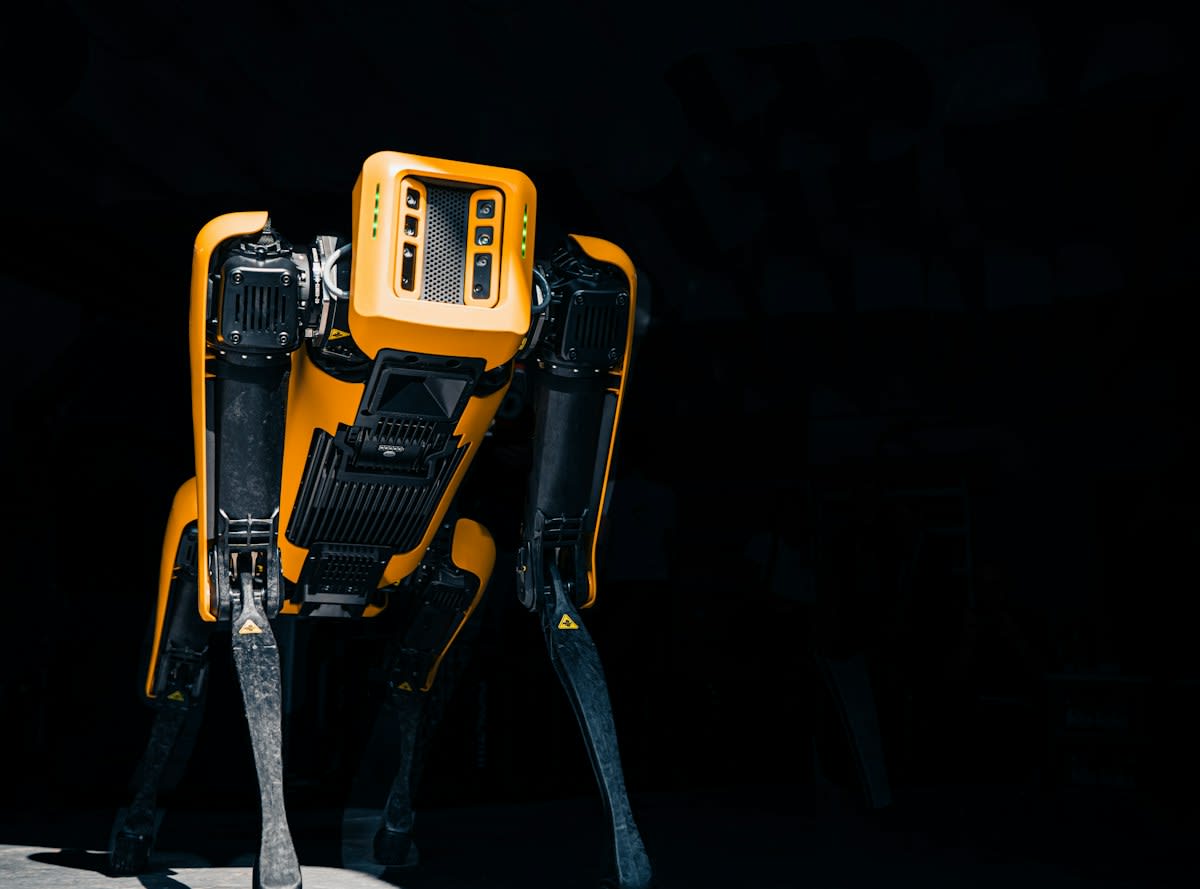
Hardware is evolving. We are seeing a move away from bulky exoskeletons toward soft-robotics that saturate the skin with tactile feedback. The feel is organic. These suits use haptic sensors to tell the brain exactly where the limb is in space, bypassing the damaged sensory pathways (Source: IEEE Robotics and Automation, 2024). This creates a loop. The brain learns by feeling the success of the movement.
- Shift from volume-based repetition to timing-based stimulation.
- Integration of non-invasive BCI in community-level clinics in Africa and Asia.
- Use of AI to identify the 'plasticity window' for each individual patient.
- Replacement of rigid exoskeletons with haptic soft-robotics.
The cost is falling. While the initial tech was prohibitively expensive, the move toward software-defined neuromodulation has crashed the price of entry. The web is expanding. We now see a proliferation of 'Neuro-Pods' in urban centers across India that offer high-precision rehab for a fraction of the cost of a hospital stay (Source: World Health Organization Tech Report, 2024). This is true democratization. Recovery is no longer a luxury.
Editorial Note
Editorial Note: This report focuses on the 2024 efficacy shift. While the results are promising, the long-term stability of these 'forced' neural connections over a 5-year period remains an area of active investigation.
The future is electric. We are entering an era where the distinction between biological recovery and technological augmentation will simply vanish. The fray is over. Those who cling to the old ways of passive stretching and slow repetition will find themselves irrelevant in a world of millisecond precision. Adapt or fail. The brain is waiting.