The Sony Aibo was a robot revolution dressed like a dog
Source Entity
David Pierce
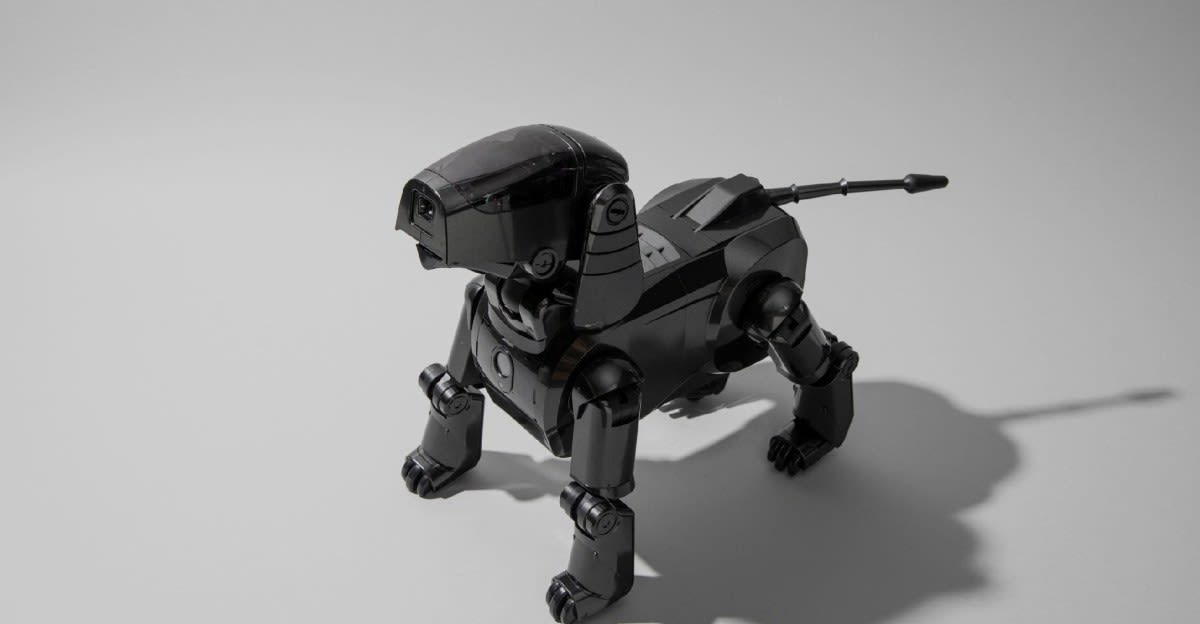
Sony's Aibo, a robotic pet introduced in the 1990s, was a pioneering vision of future human-robot integration. The device successfully fostered emotional connections with owners, reflecting Sony's early ambitions for a society populated by helpful humanoid robots.
The Legacy of the Sony Aibo: A Vision of Robotic Companionship
In the late 1990s, Sony embarked on a bold technological endeavor that sought to redefine the relationship between humans and machines. At a time when the tech industry was beginning to conceptualize a future populated by autonomous entities, Sony envisioned a world where robots would serve as coworkers, friends, and family members. The Aibo, a robotic dog, stood at the center of this ambitious strategy, serving as a tangible testbed for the concept of the 'robotic pet' in the domestic sphere.
Pioneering the Consumer Robot Market
Sony’s decision to market the Aibo as a 'pet' rather than a mere appliance was a masterstroke of design philosophy. By anthropomorphizing the device, Sony tapped into deep-seated human tendencies to form emotional attachments to living creatures. This strategy allowed the company to bypass the cold, utilitarian perception of robotics and position the Aibo as a member of the household. It was not just hardware; it was an attempt to create an interactive companion that could bridge the gap between silicon and sentiment.
Why the Aibo Resonated with Owners
One of the most compelling aspects of the Aibo’s history is the profound impact it had on its owners. Despite the technical limitations of the era, users frequently reported feelings of genuine affection for their robotic pets. This phenomenon suggests that Sony successfully navigated the complex psychological requirements of companionship. By simulating natural behaviors and responses, the Aibo proved that humans are inherently predisposed to empathize with machines that exhibit even rudimentary forms of autonomy and personality.
Sony's Predictive Success and Miscalculations
Looking back, Sony’s vision of a 'robot takeover' was both prescient and slightly off-target. While we have not yet arrived at a world filled with countless humanoid robots in every workplace, the rise of smart home assistants and advanced AI has validated the company's belief that robots would become integrated into our daily lives. Sony was correct about the need for robotic interaction, even if the form factor—a humanoid coworker—has proven more elusive than the specialized, task-oriented devices we see today.
Future Trends in Human-Robot Interaction
Reflecting on the Aibo’s longevity offers valuable insights into the future of consumer robotics. As we move toward more sophisticated artificial intelligence, the lessons learned from the Aibo remain relevant: success in this market is not just about computing power, but about the ability to foster trust and emotional engagement. The Aibo paved the way for modern social robotics, demonstrating that for technology to be truly transformative, it must first be relatable to the people it serves.