The MacBook Pro's OLED PWM Problem: When a 'Better' Display Becomes Worse to Use
Source Entity
Hacker News
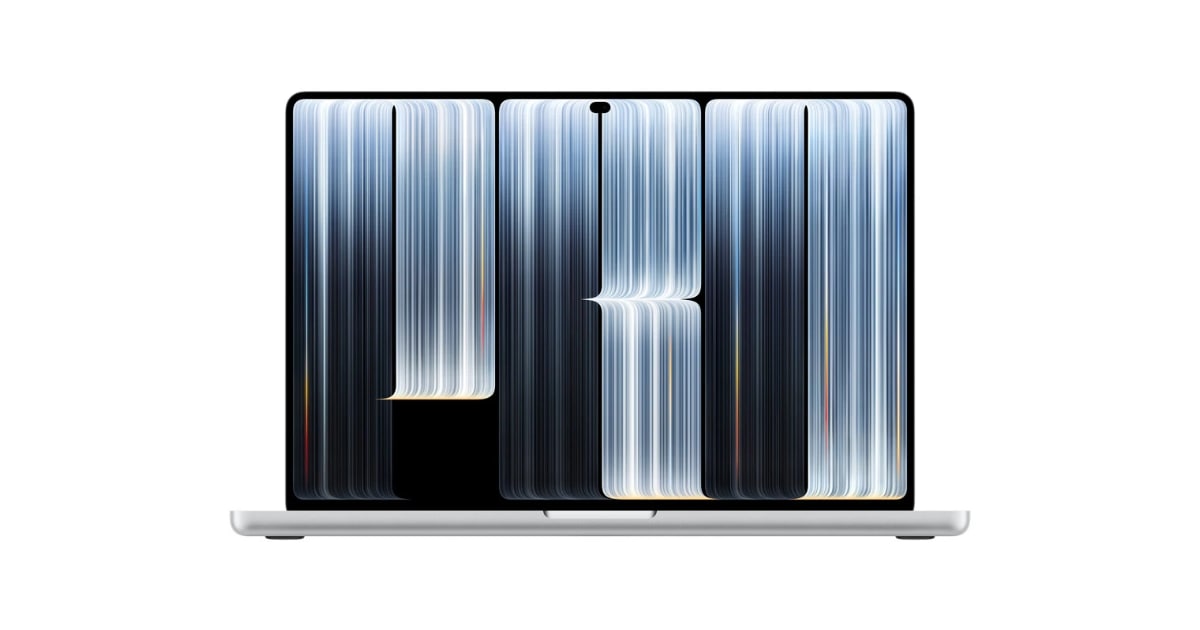
Users are reporting physical discomfort, including headaches and eye strain, when using the new MacBook Pro's OLED display. This issue is linked to Pulse Width Modulation (PWM) technology, prompting some early adopters to return their devices.
The Hidden Cost of Visual Fidelity: Addressing the MacBook Pro OLED Controversy
Apple has long positioned itself at the vanguard of display technology, with the latest iteration of the MacBook Pro's OLED (PROLED XDR) screen serving as a testament to this commitment. While the display offers unparalleled color accuracy and deep contrast ratios, a segment of the user base is reporting significant physical discomfort. Symptoms such as headaches, eye strain, dizziness, and nausea are surfacing among early adopters, turning what should be a premium computing experience into a health-related concern that has forced some users to return their hardware.
Understanding Pulse Width Modulation (PWM)
At the heart of this issue lies Pulse Width Modulation (PWM), a technique used to control screen brightness. Unlike DC dimming, which adjusts the voltage to the pixels, PWM rapidly flickers the backlight or pixels on and off at a set frequency. While this process is invisible to the average human eye, sensitive individuals can perceive these micro-flickers. When the frequency is not sufficiently high, the brain may interpret this constant strobing as a visual stressor, leading to the physiological reactions reported by MacBook Pro users.
The Paradox of Premium Hardware
It is notable that these complaints are originating from a demographic that is technically savvy and often familiar with OLED technology. Many of these users have previously interacted with other OLED-equipped devices without incident, suggesting that the specific implementation within the new MacBook Pro—perhaps the specific frequency, color gamut, or peak brightness levels—is uniquely triggering for a subset of the population. This presents a paradox: the more 'spectacular' a display becomes in terms of performance, the more it may inadvertently push the boundaries of human visual comfort.
Historical Context and Industry Standards
This is not the first time the tech industry has faced a backlash regarding display flicker. In the smartphone market, the transition from LCD to OLED forced many manufacturers to introduce 'DC Dimming' or 'Flicker-Free' modes to mitigate similar complaints. The fact that professional-grade laptops are now experiencing these issues highlights a gap in accessibility standards for display hardware. As manufacturers chase higher nits and deeper blacks, the human factors engineering aspect—specifically regarding vision health—risks being overshadowed by raw technical specifications.
Future Implications and Manufacturer Responsibility
Moving forward, Apple and other hardware manufacturers must address the trade-off between visual excellence and user wellbeing. A potential solution lies in offering granular software controls that allow users to toggle between different dimming methods or adjust the PWM frequency. If companies continue to prioritize high-performance display panels without considering the physiological impact of flicker, they risk alienating a loyal professional user base that relies on these machines for extended work hours.
Conclusion
The emergence of these reports serves as a vital reminder that technology is only as good as the user experience it provides. While the PROLED XDR display is a feat of engineering, it is currently failing to meet the comfort requirements of a segment of its users. Apple must investigate these reports seriously, potentially providing firmware updates that could alleviate the strain, as the long-term success of high-end hardware depends on its usability as much as its technical prowess.