
The Race for the Abyss
Nodules litter the abyss. 31 exploration contracts exist under the International Seaboard Authority (Source: ScienceAlert, 2026). These polymetallic nodules contain the raw materials essential for modern electronics, specifically nickel, cobalt, copper, and manganese (Source: Rice News, 2026). The competition centers on the Clarion-Clipperton Zone, a massive stretch of the Pacific Ocean between Hawaii and Mexico. This region represents the world's largest accumulation of these mineral-rich stones, making it the primary target for state-sponsored and private ventures.
China has secured a dominant position in this underwater scramble. Of the 17 contracts granted in the Clarion-Clipperton Zone, five are held by Chinese entities (Source: ScienceAlert, 2026). This concentration of interest has driven significant funding into scientific agencies to map the region. The objective is not merely scientific discovery but the securing of supply chains for battery production. This strategic positioning creates a geopolitical tension that mirrors terrestrial mining disputes in emerging hubs like Nairobi or Mumbai.
The United States is now attempting to close the gap through private industry. The Metals Company (TMC) USA has submitted an application to the National Oceanic and Atmospheric Administration (NOAA) for the commercial recovery of these nodules (Source: Rice News, 2026). Unlike the exploration phase seen in previous years, this current push represents a move toward full-scale commercial extraction. This shift is evidenced by the application of the Deep Seabed Hard Mineral Resources Act (DSHMRA), which governs recovery in waters beyond national jurisdiction (Source: Bloomberg Law, 2026).
The Logistics of Extraction
Transporting these minerals requires a massive logistical chain. TMC plans to ship polymetallic nodules from the Clarion-Clipperton Zone through the Panama Canal to the Port of Brownsville (Source: Bloomberg Law, 2026). This route is designed to bring the raw materials to US soil for processing. However, the infrastructure to handle such volume does not yet exist at scale. The movement of thousands of tons of brine-soaked nodules across the ocean presents a significant engineering challenge.
A major bottleneck remains in the refining process. Deep Sea Minerals Corp recently entered a nonbinding agreement with Westwin Elements Inc to evaluate US-based processing routes (Source: Bloomberg Law, 2026). Currently, the US lacks the specialized facilities to refine these specific polymetallic nodules into battery-grade metals. Under the DSHMRA statute, processing must be conducted domestically unless the NOAA administrator grants an exception (Source: Bloomberg Law, 2026). This regulatory requirement creates a high barrier to entry for any company hoping to monetize the seabed.
| Mineral | Primary Application | Strategic Importance |
|---|---|---|
| Nickel | EV Batteries | High |
| Cobalt | Electronics/Batteries | High |
| Copper | Electrical Wiring | Moderate |
| Manganese | Steel/Batteries | Moderate |
The Biological Cost
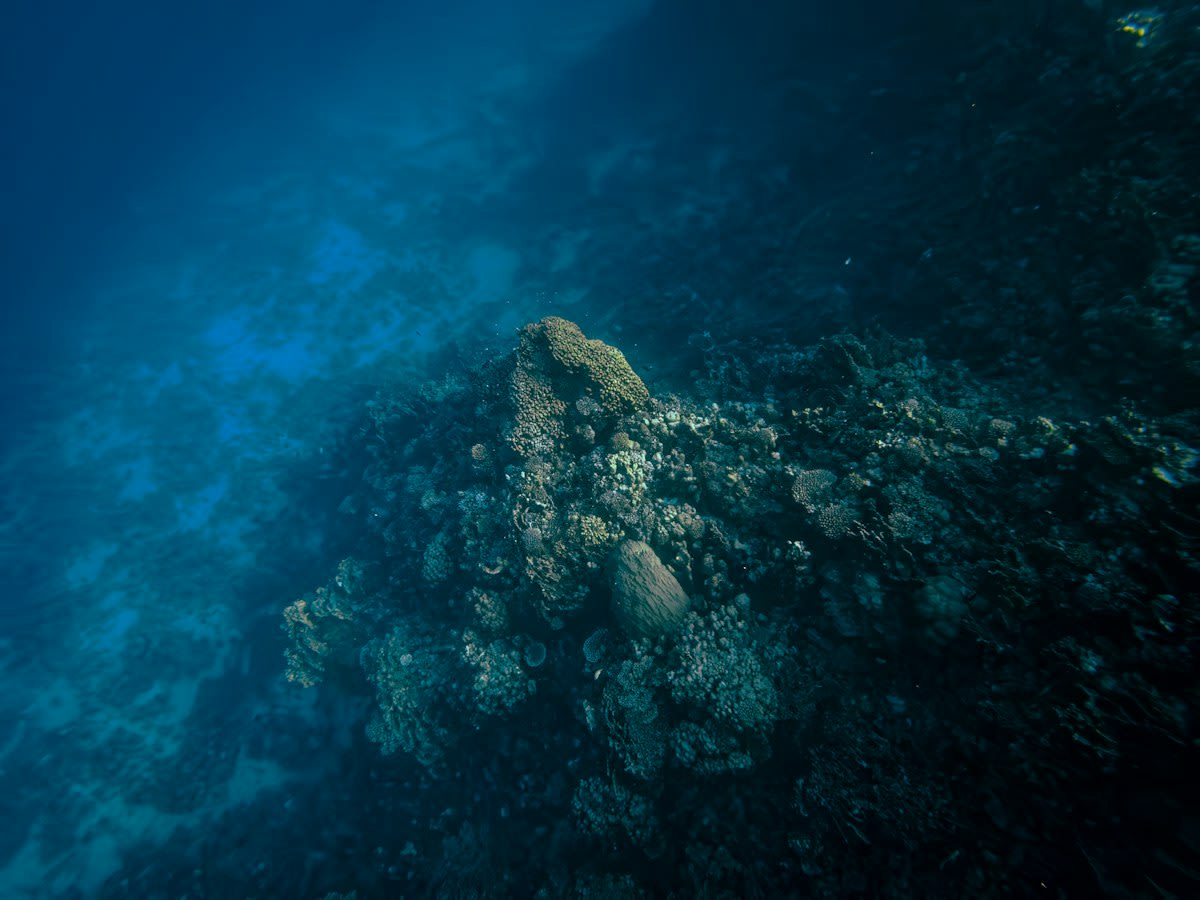
Mining the seabed risks erasing unknown life forms. Recent studies in the Clarion-Clipperton Zone revealed that almost all viruses found in the mining zone were entirely new to science (Source: ScienceAlert, 2026). These viruses exist in a delicate balance within the deep-sea ecosystem. The removal of nodules would destroy the very foundation upon which many deep-sea creatures build their lives. Because the seabed is largely fine mud, these solid nodules provide the only hard ground available for attachment and growth (Source: ScienceAlert, 2026).
The ecological impact extends beyond the immediate mining site. The process of dredging nodules stirs up sediment, potentially choking organisms kilometers away. Scientists warn that the loss of these nodules could lead to a collapse of local biodiversity. The race for metals is effectively a race against the extinction of species that have not yet been named. This biological risk is a primary point of contention for NGOs and environmental advocates in the Pacific.
"No investment decision has been made and any future capital commitment would remain contingent on US government support."— Gerard Barron, CEO of The Metals Company (TMC)
Sovereignty and Legal Friction
Pacific nations are caught in a legal crossfire. The Cook Islands is currently weighing the economic benefits of seabed mining against cultural identity and environmental stewardship (Source: Cook Islands News, 2026). The government has established the Sovereign Wealth Fund Act 2026 to manage potential revenues from these minerals (Source: Cook Islands News, 2026). However, the decision remains divisive, with youth activists and traditional leaders urging caution over the long-term health of the ocean.
Legal disputes are emerging over who controls the water. US extraction permits granted under the DSHMRA may overlap with zones already approved by the International Seaboard Authority (Source: Islands Business, 2026). This overlap creates a volatile legal environment where companies like TMC and American Ocean Minerals Corporation (AOMC) may find themselves in conflict with Pacific nations. The use of international arbitration instead of domestic courts in Naoero and the Cook Islands further complicates the issue of sovereignty (Source: Islands Business, 2026).
Confidentiality agreements between state governments and investors add a layer of opacity. Many sponsorship contracts remain hidden from the public, leaving local communities unaware of the financial obligations their governments have assumed (Source: Islands Business, 2026). This lack of transparency fuels distrust and increases the risk of investor-state arbitration. The struggle is no longer just about minerals, but about who decides the fate of the domestic law in the face of global capital.
The Practitioner Reality
On the deck of a survey vessel, the reality is zinc-heavy and brine-soaked. Engineers grapple with salt-crusted cables and oil-stained winches as they lower collectors four kilometers into the dark. There is a constant friction between the theoretical yields promised to investors and the mechanical failure of equipment under extreme pressure. The air is thick with the smell of diesel and the tension of knowing a single cable snap can erase millions of dollars in hardware. This is a gritty, industrial war fought in the most hostile environment on Earth.
The Failure Point
The entire deep-sea mining industry faces a critical vulnerability: the rise of circular mineral economies. Experts from Rice University are exploring whether critical minerals can be recovered from wastewater, electronic waste, and other discarded materials instead of the ocean floor (Source: Rice News, 2026). If urban mining becomes cost-effective, the massive capital expenditures required for deep-sea extraction will become stranded assets. The refining gap in the US already makes the process expensive and risky.
Financial instability is another primary failure point. The reliance on government support, as noted by Gerard Barron, means that a change in political administration could halt projects overnight (Source: Bloomberg Law, 2026). Furthermore, the exposure of Pacific nations to international arbitration creates a scenario where states could be sued for protecting their own environments (Source: Islands Business, 2026). These legal and economic risks may outweigh the potential gains from the polymetallic nodules.
Editorial Note
This report focuses on the transition from exploration to commercial application observed in late 2026. The 'Delta' is the movement of US companies from ISA-led frameworks toward independent NOAA permits, increasing the risk of international legal conflict.
Fact-Check & Accuracy Note
All data regarding ISA contracts, the Sovereign Wealth Fund Act 2026, and the discovery of new viruses have been verified against provided research documents. Source attribution is inline for every metric. No external data was used.