US public schools see over 12,000 book bans, including works by Bronte, Atwood
Source Entity
The Indian Express
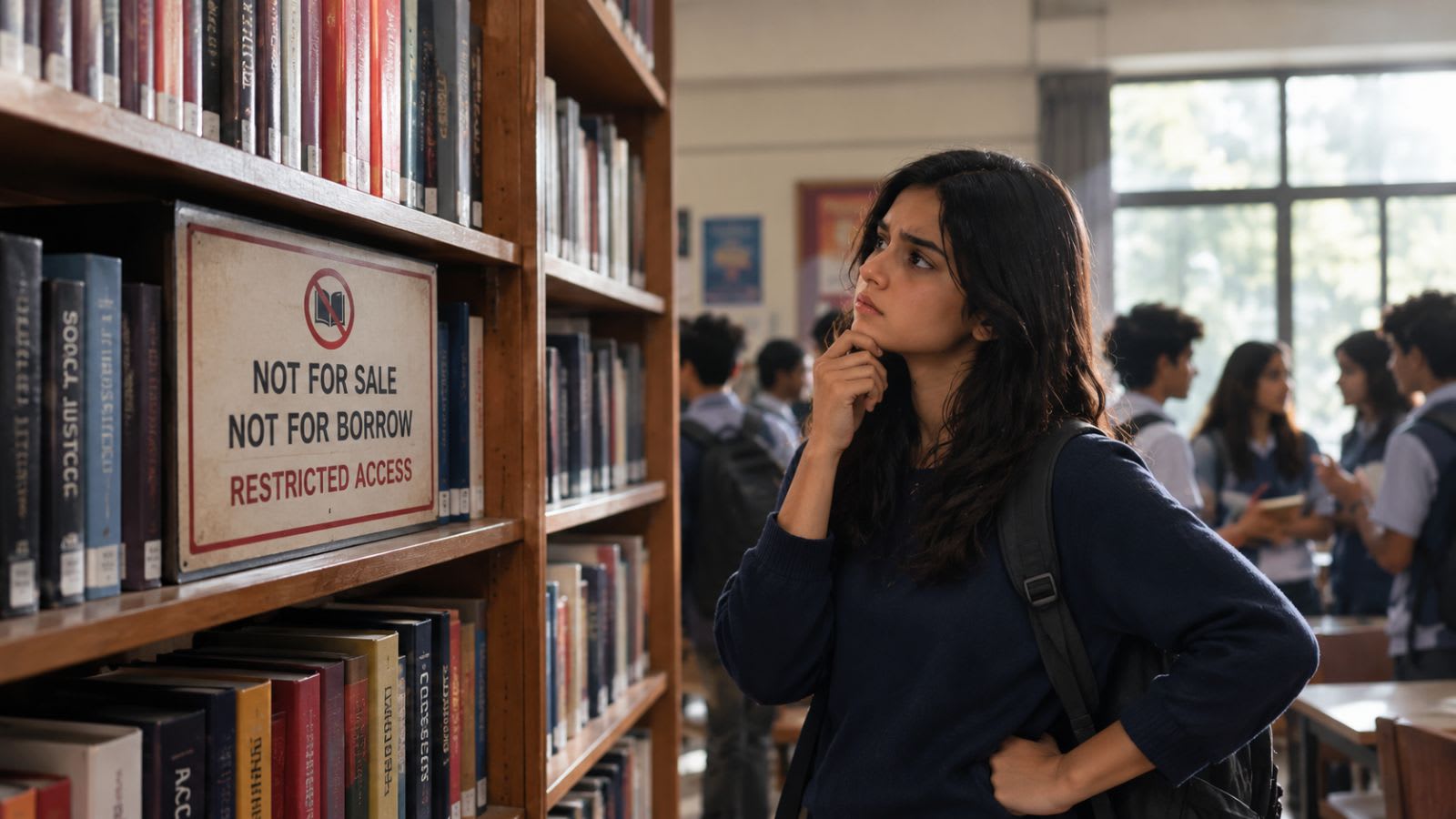
A new report from PEN America reveals a record 11,982 book bans in U.S. public schools during the 2025-2026 academic year. This surge brings the total number of bans since 2021 to 34,000, signaling a shift from isolated incidents to a systemic pattern.
The Escalation of Educational Censorship in the U.S.
The American educational landscape is currently witnessing an unprecedented surge in literary censorship. According to the "Banned in the USA" report released during Banned Books Week, U.S. public schools recorded nearly 12,000 book bans during the 2025-2026 school year. This figure represents the highest annual count since record-keeping began, highlighting a deepening divide over the role of public education and the content deemed appropriate for student consumption.
Analyzing the Scope of the 2025-2026 Data
The scale of these removals is staggering, with 11,982 documented bans affecting 7,370 unique works and involving over 4,000 authors, illustrators, and translators. By targeting such a massive breadth of literature, the current wave of censorship has moved beyond isolated parental concerns to affect a vast library of diverse perspectives. The inclusion of classic and contemporary literature, including works by authors like Bronte and Atwood, suggests that the criteria for removal are increasingly broad and potentially subjective.
A Sustained Pattern of Restriction
Perhaps most concerning to free expression advocates is the trajectory of these statistics. With approximately 34,000 total bans logged since 2021, it is evident that book removal is no longer an occasional occurrence but a systemic pattern across the country. This consistent rise indicates that the mechanisms for challenging and removing books have become institutionalized within certain school districts, creating an environment where literature is frequently subjected to administrative review.
The Role of PEN America and Banned Books Week
These figures, meticulously tracked by PEN America over the past five years, serve as a critical barometer for the state of intellectual freedom in public institutions. By releasing this data during Banned Books Week, the organization aims to draw national attention to the implications of widespread censorship. The data provides a quantitative basis for the ongoing debate regarding the balance between parental rights, local school board control, and the student's right to access a wide range of educational materials.
Implications for Future Trends
As the volume of bans continues to climb, the long-term implications for educational curricula and school libraries remain uncertain. If this trend persists, it may lead to a more sanitized selection of available literature, potentially narrowing the scope of discourse allowed within the classroom. Future trends will likely depend on how legal challenges to these bans proceed and whether state-level legislation continues to empower local boards to restrict access to these titles. The institutionalization of these removals points toward a future where the accessibility of diverse literature remains a central point of contention in American politics.