Controversy after fire tender sent to Gujarat BJP MLA’s house to wash it
Source Entity
Latest News: Todays Latest News Headlines from India & World | Hindustan Times | Hindustan Times
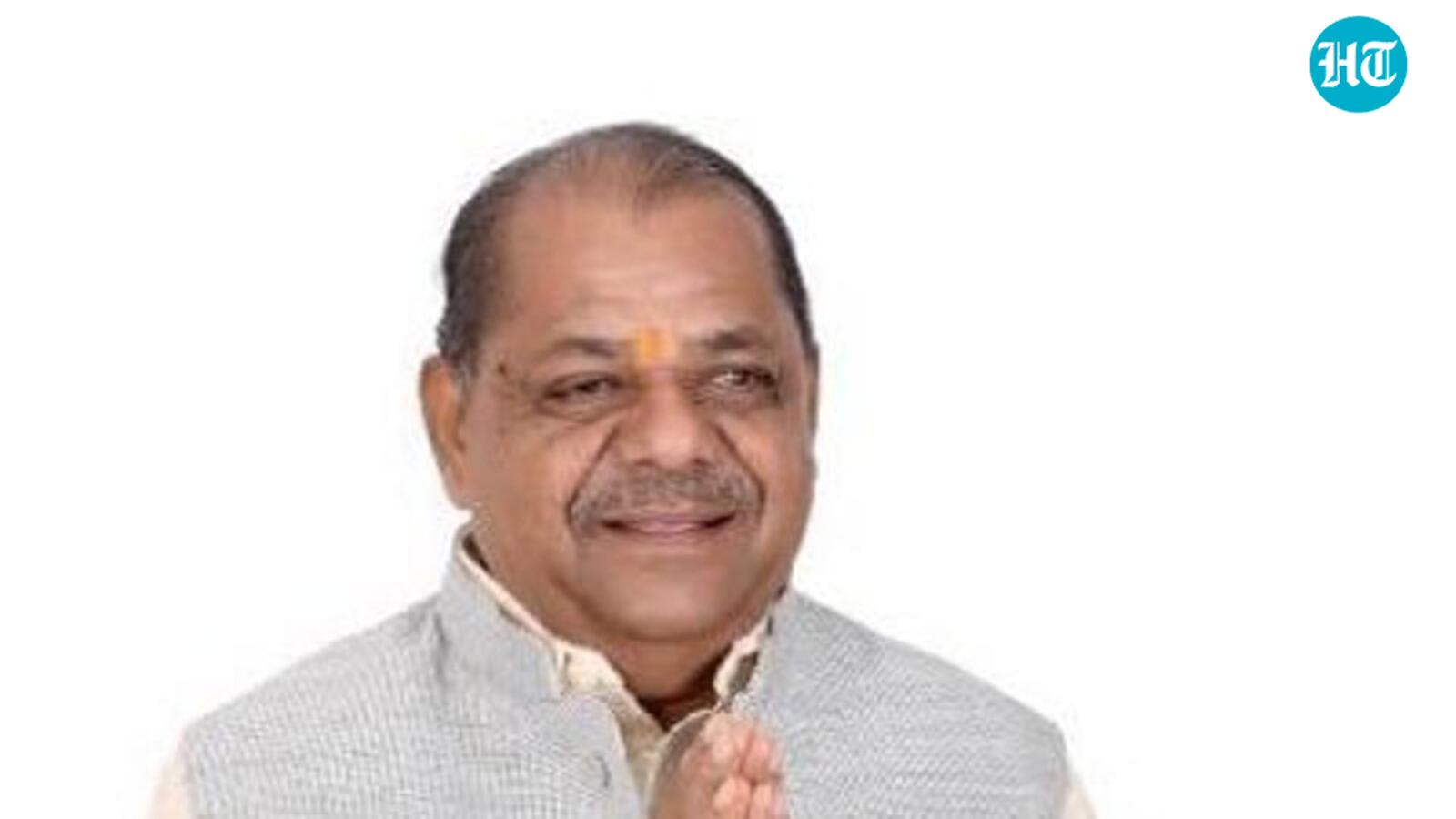
A viral video of a fire tender cleaning former Gujarat minister Bachubhai Khabad's house has sparked public outrage. The incident has raised serious questions regarding the misuse of emergency services for personal tasks during periods of water scarcity.
Misuse of Emergency Assets: The Dahod Controversy
A recent incident involving a fire tender being utilized to clean the private residence of former Gujarat minister and BJP MLA Bachubhai Khabad has ignited a fierce public debate. The footage, which has since gone viral, depicts a municipal fire truck from the Devgadh Baria Municipal Corporation spraying down the politician's home in Pipero village, Dhanpur taluka. This visual evidence has served as a focal point for critics who argue that public resources are being diverted for the personal convenience of elected officials rather than serving the community's emergency needs.
The Chain of Command and Accountability
According to the statements provided by the Devgadh Baria municipal fire officer, Mayur Singh Chauhan, the deployment was not an autonomous decision by the fire department. Instead, the vehicle was dispatched following direct instructions from the civic body’s chief. This revelation shifts the focus of the controversy from a simple operational error to a systemic concern regarding how municipal authorities prioritize their duties. The fact that the fire department felt compelled to comply with a request to wash a private house highlights a problematic culture of deference toward political figures that often permeates local governance.
Impact Amidst Resource Scarcity
The optics of this situation are particularly damaging due to the broader context of water management in the region. Many parts of Gujarat face cyclical water shortages, making the sight of a fire tender—an asset intended for life-saving operations—being used for cosmetic cleaning tasks particularly inflammatory. The public perception is that such actions demonstrate a lack of sensitivity toward residents who may be struggling with limited access to clean water. This disconnect between the priorities of the political class and the daily realities of the citizenry often serves as a catalyst for public dissatisfaction.
Historical Precedents and Political Implications
This event is not an isolated instance in Indian politics where the lines between public duty and private service have become blurred. Historically, the misuse of government machinery by influential leaders has frequently led to administrative inquiries and public protests. By utilizing an emergency vehicle for non-emergency tasks, the officials involved have inadvertently triggered a scrutiny of their own operational ethics. Such controversies often force political parties to distance themselves from the individuals involved to mitigate damage to their collective reputation, as the incident directly contradicts the principles of responsible governance.
Future Trends and Reform
Looking forward, this controversy is likely to prompt stricter guidelines regarding the deployment of municipal utility vehicles. Transparency in administrative communication will become a key demand from local activists and opposition groups. If municipal corporations continue to face pressure to prioritize the comfort of high-ranking individuals over the general public interest, it could lead to increased calls for independent oversight committees. Ultimately, this incident serves as a stark reminder that in an era of digital documentation, public officials are under constant surveillance, and any misuse of state resources is subject to immediate and widespread public accountability.
Verification Required?