Ground Report From Opposition's Anti-CEC Protest In Delhi: What Are They Planning Next?
Source Entity
Latest News: Todays Latest News Headlines from India & World | Hindustan Times | Hindustan Times
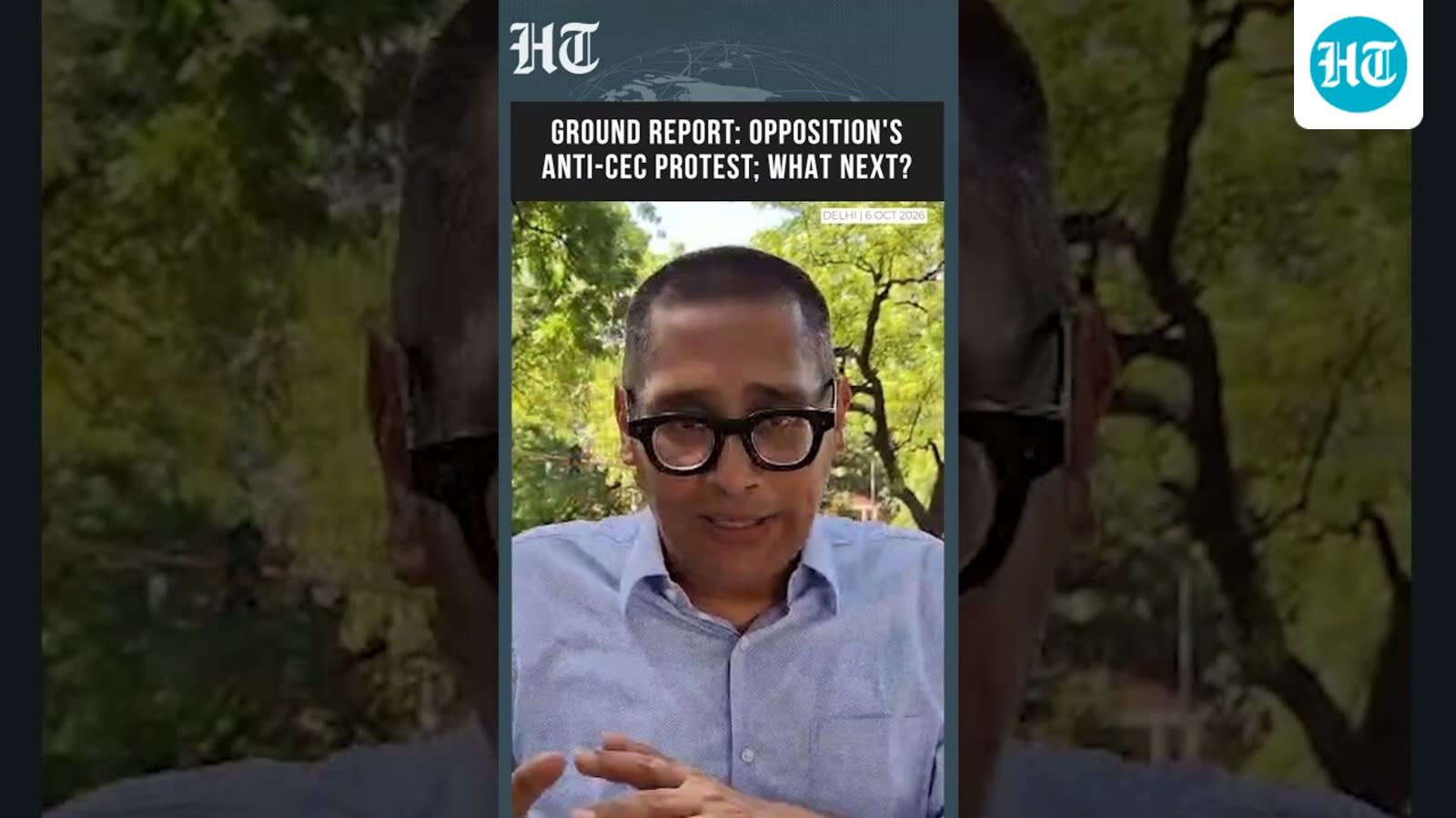
INDIA bloc MPs led by Rahul and Priyanka Gandhi staged a protest march toward the Election Commission of India, demanding the resignation of the Chief Election Commissioner. The demonstration, centered on concerns over the Special Intensive Revision (SIR) exercise, resulted in detentions and an unexpected tactical move by the Gandhi siblings into the Akashvani Bhavan.
Tensions Escalate: INDIA Bloc Confronts the Election Commission
The political landscape in New Delhi witnessed a significant escalation this week as members of the INDIA bloc, spearheaded by Leader of the Opposition Rahul Gandhi and Congress MP Priyanka Gandhi Vadra, organized a high-profile march toward the Election Commission of India (ECI) headquarters. The protest was primarily driven by deep-seated concerns regarding the Special Intensive Revision (SIR) exercise, an electoral process that has become a flashpoint for accusations of procedural irregularities and bias.
Security Measures and Confrontation
In anticipation of the march, authorities implemented a massive security apparatus around the Parliament House complex and the ECI headquarters. Barricades were erected to stifle the movement of the opposition leaders, effectively halting the procession near the NITI Aayog office. This standoff forced the MPs to initiate a spontaneous sit-in (dharna) on the road, where they vocally demanded the resignation of Chief Election Commissioner Gyanesh Kumar. The atmosphere was charged with slogans such as “BJP hai CEC hai” and “Democracy not for sale,” reflecting the intensifying distrust between the opposition coalition and current electoral management bodies.
Symbolic Protests and Allegations
During the demonstration, the opposition utilized visual symbolism to articulate their grievances, including carrying cutouts of the CEC dressed in RSS uniforms. These actions were intended to challenge the perceived neutrality of the commission. Rahul Gandhi’s public post on X, stating, “Gyanesh, it's done bro,” underscored the personal and aggressive nature of the opposition’s campaign to hold the electoral leadership accountable for what they perceive as a compromised democratic process.
The Unexpected Tactical Maneuver
As the protest reached a climax and police began detaining MPs to transport them to various stations, a moment of confusion disrupted the standard containment protocol. In an unscripted move, Rahul and Priyanka Gandhi bypassed the police cordon and entered the premises of Akashvani Bhavan, the headquarters of All India Radio. This maneuver left security personnel momentarily paralyzed, demonstrating a tactical shift in how opposition leaders are challenging the state’s ability to control the narrative and physical space during public demonstrations.
Broader Implications for Electoral Integrity
This incident is not an isolated event but rather a manifestation of the ongoing friction regarding the transparency of India’s electoral machinery. The specific mention of the Special Intensive Revision (SIR) highlights the granular level at which the opposition is currently scrutinizing the ECI. By questioning the very foundations of how voter rolls are updated and managed, the INDIA bloc is attempting to build a narrative of institutional capture that they hope will resonate with the electorate.
Future Trends and Political Fallout
Looking ahead, this confrontation signals a more combative phase in Indian parliamentary politics. As the INDIA bloc continues to frame the ECI as a partisan entity, the pressure on the commission to prove its autonomy will grow. The use of civil disobedience, combined with high-visibility actions like the entry into Akashvani Bhavan, suggests that opposition leaders are moving away from traditional parliamentary debate toward more disruptive, performative politics. This trajectory indicates that future electoral cycles will likely be defined by intense legal and public scrutiny of the ECI, potentially leading to further institutional strain if these grievances remain unaddressed.
Verification Required?