‘Maharashtra centre of Maoist urban network’: State defends Special Public Security Act in court
Source Entity
Omkar Gokhale
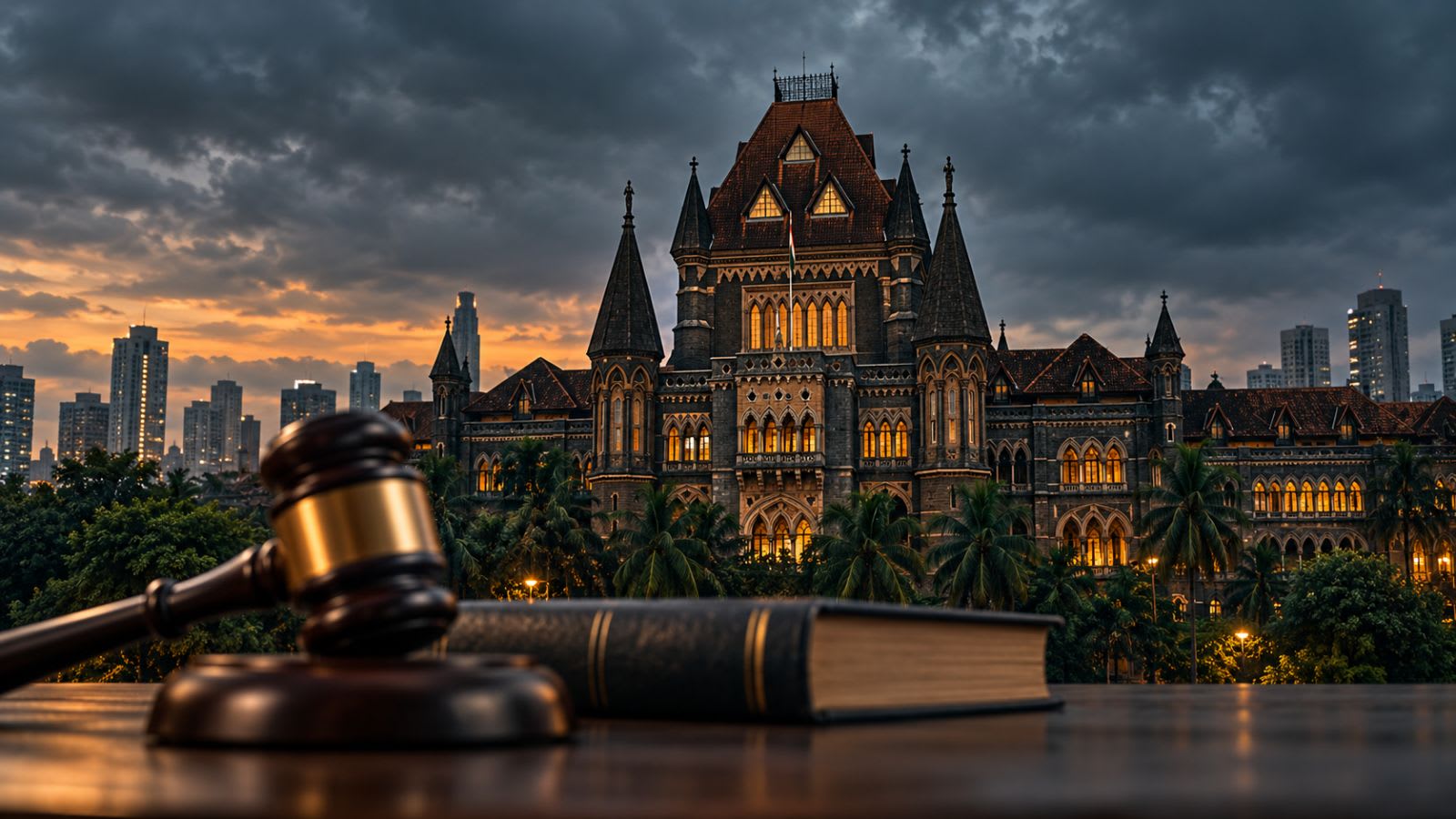
The Maharashtra government is defending its Special Public Security Act in the Bombay High Court, citing the need to curb urban Maoist networks. The state argues the law is constitutional and necessary to address gaps in legal frameworks compared to other states.
Maharashtra’s Legal Stance on the Special Public Security Act
The Maharashtra state government has formally defended the validity of the Maharashtra Special Public Security (MSPS) Act before the Bombay High Court. In an affidavit filed by the Deputy Secretary of the state Home department, Pritamkumar Jawale, the government articulated that the legislation is a necessary response to the evolving nature of internal security threats. The state explicitly identifies Maharashtra, due to its significant urban population, as a primary hub for what it describes as a 'Maoist urban network,' necessitating a robust legal mechanism to address potential subversion.
Constitutional Arguments and Free Speech
Central to the government's defense is the assertion that the MSPS Act is neither vague nor an infringement on fundamental rights. The state maintains that the statute operates within the boundaries of the Indian Constitution, specifically noting that the right to free speech is not absolute and is subject to 'reasonable restrictions.' By framing the Act as a tool for public security, the government is positioning the legislation as a balancing act between individual civil liberties and the state's duty to maintain law and order against organized extremist activities.
Closing the Legislative Gap
One of the most significant points in the affidavit is the state's admission that it previously lacked a sufficient legal framework to effectively ban 'frontal organizations' associated with Left Wing Extremism (LWE). The government draws a direct comparison to other states—specifically Telangana, Andhra Pradesh, Madhya Pradesh, and Chhattisgarh—which have long utilized similar public security acts to monitor and restrict groups linked to militant ideologies. This move signifies Maharashtra's intent to harmonize its internal security apparatus with the established practices of other LWE-affected regions.
Opposition and Legal Challenges
The MSPS Act has faced significant pushback from various political and social entities. Petitions filed by the Congress party, the Communist Party of India (CPI), and the All India Trade Union Congress (AITUC) seek the dismissal of the Act, arguing that it potentially overreaches into democratic dissent. These petitioners contend that the broad language used in the Act could be weaponized to suppress legitimate political activism and trade union activities under the guise of national security.
Broader Implications for Urban Security
This legal battle highlights the shifting focus of counter-insurgency operations from rural forests to urban centers. As the government seeks to categorize urban hubs as critical nodes for Maoist activities, the judiciary's eventual ruling will likely set a major precedent for how Indian states define 'public security' in the modern era. The outcome will determine whether the state possesses the authority to preemptively ban organizations it deems as 'frontal,' or if such powers require further judicial oversight to prevent the stifling of political opposition.
Future Trends and Judicial Oversight
Looking ahead, this case will likely become a landmark regarding the scope of executive power in Maharashtra. Should the Bombay High Court uphold the Act, it may lead to a wave of similar legislative initiatives across other states lacking such provisions. Conversely, a strike-down or significant modification of the Act would force the state government to return to the drawing board to refine its security laws, ensuring they are specific enough to withstand constitutional scrutiny while still addressing the complex threat of urban extremism.