Why deep-red Kansas has become an unexpected Senate battleground
Source Entity
US Top News and Analysis
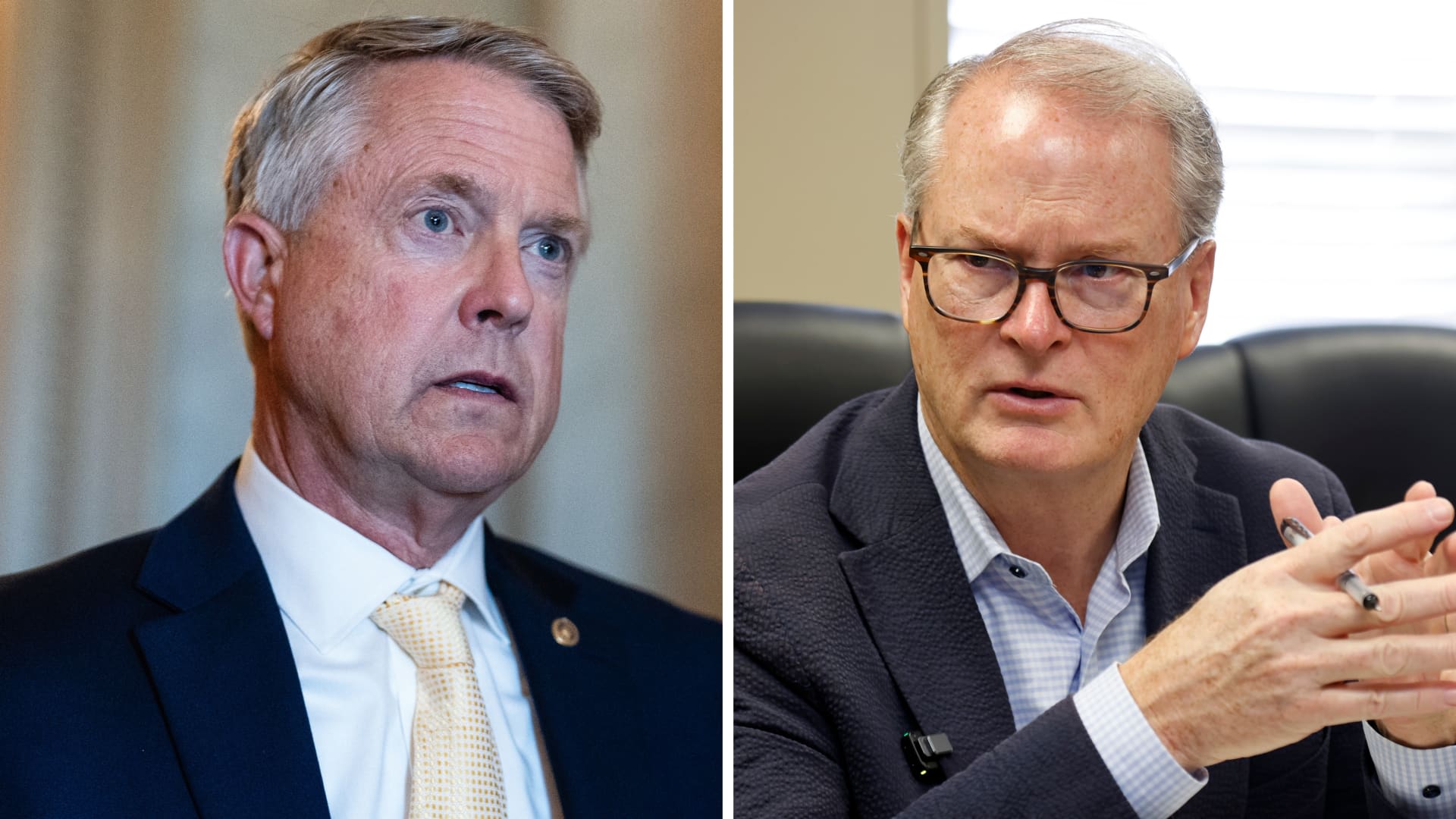
The Kansas Senate race has emerged as an unexpected battleground as Republican incumbent Roger Marshall faces a competitive challenge from Democrat Adam Hamilton. Economic pressures and shifting political dynamics are forcing Marshall to navigate a difficult path between his base and moderate voters.
The Unlikely Shift in Kansas Politics
Kansas, a state that has not sent a Democrat to the U.S. Senate since 1932, is currently defying its historical reputation as a reliable Republican stronghold. The upcoming 2026 midterm elections have transformed the state into an unexpected battleground, challenging the long-standing assumption that the seat held by Republican Senator Roger Marshall is safely in the GOP column. This shift represents a significant deviation from the traditional partisan map of the American Midwest.
The Drivers of Instability
Several converging factors have catalyzed this political volatility. At the forefront is the persistent issue of stubborn inflation, which continues to impact the daily economic reality of Kansas constituents. Compounding these domestic concerns are the secondary effects of recent White House trade policies, which have created tangible blowback for local sectors. These economic headwinds have provided a fertile environment for Democratic challenger Adam Hamilton, a megachurch pastor, to gain traction among voters who might otherwise lean conservative.
The Challenge of Adam Hamilton
Adam Hamilton’s candidacy is particularly noteworthy given his background as a megachurch pastor. His entry into the race provides a unique counter-narrative to the traditional Republican dominance in the region, potentially appealing to a cross-section of voters who prioritize moderate governance and local economic stability. By positioning himself as a formidable challenger, Hamilton has successfully forced the political conversation away from historical trends and toward the immediate concerns of the electorate.
The Republican Balancing Act
Senator Roger Marshall now finds himself in a precarious position, emblematic of a broader struggle facing many Republicans in the current cycle. He is forced to perform a delicate political balancing act: he must address the anxieties of voters concerned about national economic policies while simultaneously managing his relationship with former President Donald Trump. This dual pressure creates a strategic dilemma, as alienating the party's core base could be just as damaging as failing to capture the support of more moderate, swing-state voters.
Broader Implications and Future Trends
This race serves as a bellwether for the 2026 midterm cycle, illustrating that no seat is truly insulated from shifting national tides. The outcome in Kansas will likely influence how the GOP approaches its messaging in other traditionally 'deep-red' states where economic discontent may be bubbling under the surface. If Marshall struggles to maintain his lead, it may signal that the traditional 'red state' firewall is more porous than previously understood.
Conclusion
As the election approaches, the Kansas Senate race will remain a critical focal point for political analysts. The combination of economic frustration and a compelling challenger has turned a routine reelection bid into a high-stakes contest. Whether Marshall can successfully pivot his strategy to retain his seat or if Hamilton can pull off a historic upset will be a defining story of the 2026 election cycle.