Iran Must Cut Enrichment To End War: JD Vance
Source Entity
NDTV News Search Records Found 1000
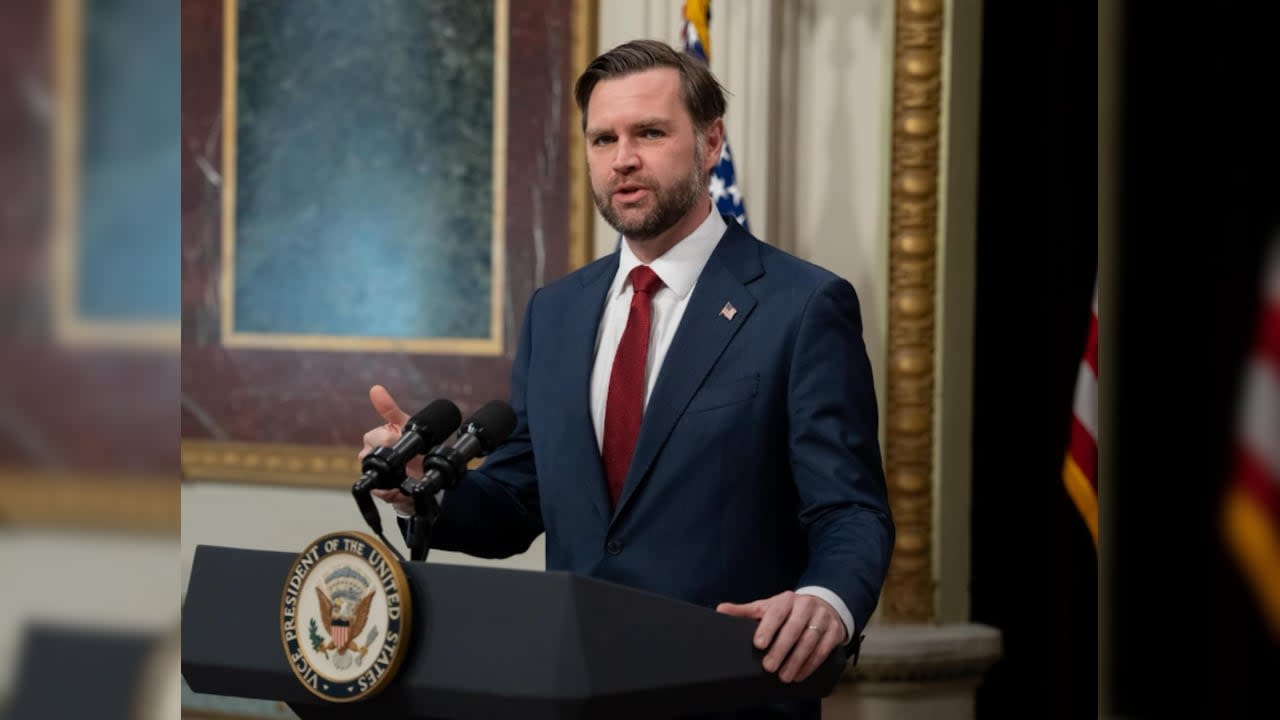
US Vice President JD Vance has demanded Iran significantly reduce its nuclear enrichment capacity as a prerequisite for ending the ongoing seven-month war. The administration insists on actionable commitments rather than verbal promises, citing concerns over Iran's internal decision-making processes.
The Diplomatic Impasse: Nuclear Enrichment and Regional Conflict
US Vice President JD Vance has recently articulated a firm stance regarding the ongoing seven-month conflict involving Iran, signaling that the path to a negotiated settlement is strictly contingent upon verifiable nuclear concessions. Central to this demand is the reduction of Iran’s nuclear enrichment capacity, specifically questioning the strategic necessity of maintaining 60% enriched fuel. This requirement serves as a cornerstone of the administration's current foreign policy approach, emphasizing that the United States is no longer interested in symbolic overtures or empty promises.
The Shift Toward Actionable Commitments
Vance’s rhetoric marks a transition in the American negotiation strategy, moving away from abstract diplomacy toward a demand for tangible, measurable outcomes. By stating that the US will not "trade words for actions," the Vice President is signaling to the international community that the administration requires transparent, verifiable evidence of a drawdown in nuclear activity. This insistence on concrete action highlights a deep-seated skepticism within the current US leadership regarding Tehran’s long-term intentions and the utility of traditional diplomatic frameworks.
Uncertainty and Internal Iranian Dynamics
A major hurdle in these negotiations is the lack of clarity regarding the internal power structure of the Iranian government. The US administration has expressed significant uncertainty regarding who is ultimately "calling the shots" in Tehran, particularly following a series of recent, unspecified significant events. This ambiguity complicates the negotiation process, as the White House struggles to determine which factions within the Iranian hierarchy possess the authority to enforce a binding, long-term agreement on nuclear enrichment.
Domestic Political Pressures
The seven-month conflict has increasingly become a volatile political variable for the Trump administration, particularly as it intersects with the timeline of the upcoming midterm elections. Foreign policy successes are often leveraged to bolster electoral standing, but protracted conflicts that lack a clear resolution can quickly become liabilities. The administration’s focus on securing a nuclear-related victory reflects an attempt to manage this political risk by framing the conflict's end as a matter of global security rather than mere regional instability.
Future Implications and Strategic Outlook
Looking ahead, the demand for a reduction in enrichment capacity sets a high bar for any potential ceasefire or peace treaty. If Iran refuses to concede on this point, the US administration faces a binary choice: either escalate the current diplomatic and economic pressure or accept a prolonged, high-stakes stalemate. The interplay between nuclear non-proliferation goals and the immediate need to conclude the war remains the defining challenge for the current administration's foreign policy agenda, with the outcome likely to reverberate through both the midterm elections and global nuclear security protocols for years to come.
Verification Required?