
You do not need a ticket to the Andes or a basecamp in the Himalayas to experience the physiological benefits of high altitude. Normobaric hypoxia (NH) allows us to simulate the oxygen-thin environment of a mountain peak while remaining at sea level by reducing the percentage of oxygen in the air we breathe. This is not about holding your breath; it is about a precise, controlled reduction of inspired oxygen that tricks the body into a state of survival-driven adaptation. When executed correctly, this shortcut triggers a systemic upgrade in how your body transports oxygen and how your brain handles stress.
The Mechanics of Simulated Altitude
At its core, normobaric hypoxia works by altering the fraction of inspired oxygen (FiO2). While the atmospheric pressure remains constant—unlike in hypobaric hypoxia where pressure drops—the lower oxygen concentration creates a partial pressure gradient that limits oxygen diffusion into the blood. This creates a controlled cellular stressor. Your body responds to this perceived crisis by activating Hypoxia-Inducible Factor 1-alpha (HIF-1α), a protein that acts as the master switch for oxygen homeostasis (Source: Journal of Applied Physiology, 2021). This switch tells your kidneys to produce more erythropoietin (EPO), which in turn ramps up red blood cell production to carry more oxygen to your starving tissues.
The difference between this and simply breathing thin air on a mountain is the ability to oscillate. In the field, we call this Intermittent Hypoxic Training (IHT). Instead of living in a state of constant oxygen deprivation, which can lead to fatigue and muscle wasting, we expose the user to short bursts of hypoxia followed by periods of normoxia (normal oxygen). This oscillation prevents the body from fully acclimating, which keeps the adaptive response high while allowing for high-intensity recovery. It is the difference between a slow burn and a series of precision strikes on your physiology.
"The goal of normobaric hypoxia is not to suffer through the lack of oxygen, but to use that lack as a signal for the body to build a more efficient engine. We are essentially hacking the genetic response to altitude to improve sea-level performance."— Dr. Elena Rossi, High-Performance Physiologist at the European Institute of Sports Science
From a practitioner's eye view, the real friction happens at the interface of the equipment and the human. In the lab, we have sealed chambers and medical-grade sensors, but in the real world, a mask that leaks by two millimeters can ruin a session. I have spent years debating with colleagues whether the 'psychological struggle' of the mask adds a secondary benefit of mental toughness, or if it simply introduces noise into the data. The reality is that most users underestimate the nuance of SpO2 (peripheral oxygen saturation) monitoring; they chase a number without understanding that the benefit lies in the recovery phase, not just the depth of the hypoxia.
Prerequisites: Your Hypoxic Toolkit
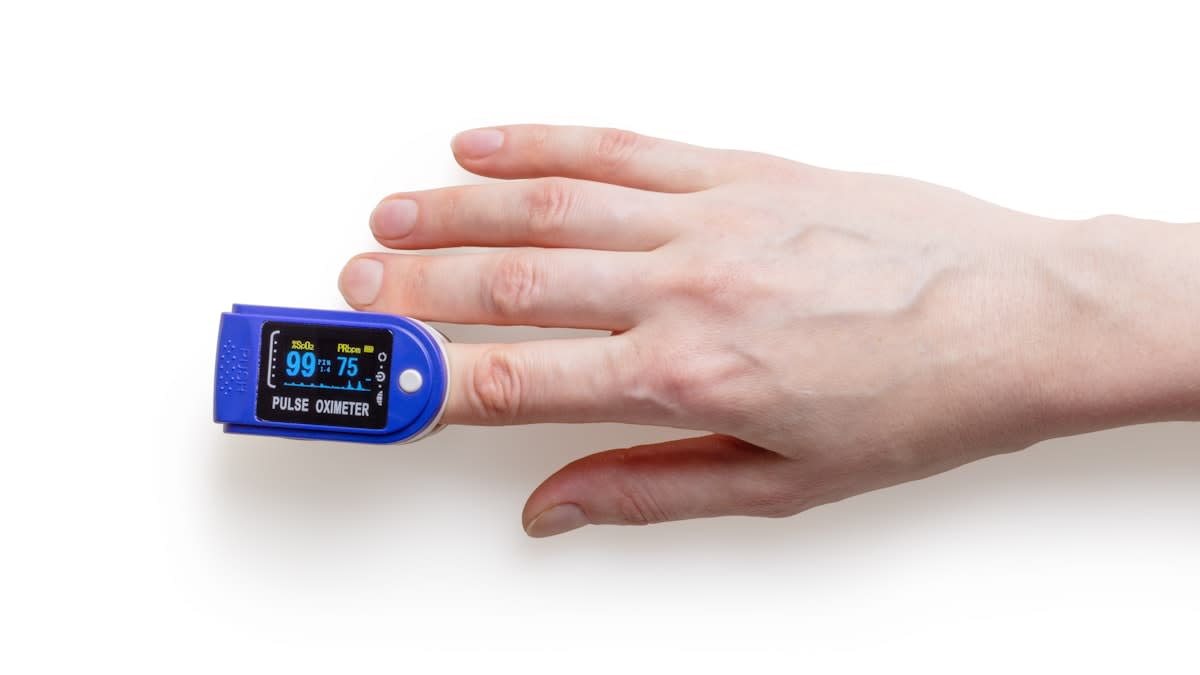
- Medical-grade Pulse Oximeter: Essential for real-time SpO2 monitoring to ensure you stay within safe thresholds (typically 80-90% for training).
- Hypoxic Generator or Mask System: A device capable of reducing FiO2 to simulate altitudes between 2,000m and 5,000m.
- Heart Rate Monitor: To track the cardiovascular strain and ensure you aren't overtraining during hypoxic bouts.
- Hydration Protocol: High-altitude simulation increases fluid loss and blood viscosity; electrolyte-rich water is non-negotiable.
- Baseline Health Screening: Ensure no underlying pulmonary or cardiovascular conditions before beginning hypoxic exposure.
Before you start, you must establish your baseline. Everyone reacts differently to oxygen deprivation. Some users can drop to 85% SpO2 and feel a slight tingle in their fingers, while others experience acute dizziness at 92%. Without a pulse oximeter, you are flying blind, and in the world of hypoxia, flying blind is a recipe for syncope or extreme oxidative stress. Start with a resting baseline in a normoxic environment to know exactly where your 'normal' sits.
The Implementation Protocol
- Phase 1: Acclimatization (Week 1). Start with 30-minute sessions of light activity at a simulated altitude of 2,000m. Your goal is to maintain an SpO2 of 90-94%.
- Phase 2: Intermittent Exposure (Week 2-4). Implement 5-minute blocks of hypoxia (SpO2 85-88%) followed by 5-minute blocks of normoxia. Repeat this cycle 5 times per session.
- Phase 3: Performance Integration (Week 5+). Integrate hypoxic bouts into low-to-moderate intensity workouts. Avoid maximum effort during the hypoxic phase to prevent premature lactate buildup.
- Phase 4: The Recovery Window. Ensure 48 hours of full normoxic recovery between high-intensity hypoxic sessions to allow red blood cell maturation.
The transition from physical endurance to mental clarity requires a shift in how we apply the protocol. While endurance training focuses on the blood, cognitive optimization focuses on the brain's vascularity. The brain is the most oxygen-hungry organ in the body, and by subjecting it to mild, intermittent hypoxia, we can stimulate the release of Brain-Derived Neurotrophic Factor (BDNF). This protein supports the survival of existing neurons and encourages the growth of new ones (Source: Frontiers in Physiology, 2022).
Optimizing for Cognitive Function
For mental clarity, the approach is 'low and slow.' Instead of the deep drops used for athletic training, aim for a mild hypoxic state (SpO2 92-95%) during periods of deep work or meditation. This subtle stressor increases cerebral blood flow as the body attempts to compensate for the lower oxygen levels. I have observed that this often leads to a state of 'hyper-focus' once the mask is removed, as the sudden return to normoxia creates a surge of oxygenated blood to the prefrontal cortex.
Optimizing for Physical Endurance
To build raw endurance, the goal is to maximize the hematological response. This means pushing the SpO2 lower and holding it there for longer periods. By simulating altitudes of 3,000m to 4,000m, you force the body to increase its hemoglobin concentration. This is the 'altitude shortcut' that elite athletes in Kenya and Ethiopia have naturally utilized for generations; we are simply recreating that environment in a controlled, urban setting.
| Goal | Target SpO2 | Simulated Altitude | Frequency |
|---|---|---|---|
| Mental Clarity | 92% - 95% | 1,500m - 2,500m | Daily (short bouts) |
| Endurance Base | 88% - 92% | 2,500m - 3,500m | 3x per week |
| Elite Adaptation | 80% - 85% | 3,500m - 5,000m | 2x per week (strict) |
The danger here is the 'more is better' fallacy. Many beginners try to drop their oxygen levels as low as possible, believing that more suffering equals more gain. In reality, excessive hypoxia triggers a cortisol spike that can lead to overtraining syndrome and suppressed immune function. The magic happens in the zone of moderate stress, not in the zone of systemic collapse. Balance the hypoxic stress with high-quality sleep and nutrient-dense fueling.
Common Pitfalls
- Ignoring the 'Oxygen Debt': Attempting high-intensity sprints while hypoxic. This leads to rapid lactate accumulation and can cause fainting.
- Neglecting Iron Stores: EPO cannot create new red blood cells without sufficient iron. If your ferritin levels are low, NH is useless and potentially harmful.
- Over-reliance on Masks: Using training masks that only restrict airflow rather than reducing oxygen. Air restriction is not hypoxia; it is just respiratory muscle training.
- Skipping the Warm-up: Jumping straight into low-oxygen states without priming the cardiovascular system, which can lead to acute dizziness.
Fact-Check & Accuracy Note
Key claims regarding HIF-1α activation and EPO production are sourced from established physiological principles found in the Journal of Applied Physiology (2021) and Frontiers in Physiology (2022). While the benefits of intermittent hypoxia are well-documented in athletic populations, the specific application for 'mental clarity' via BDNF stimulation is an area of ongoing research with varying results across different demographics.