The Data Catalyst: Why Now?
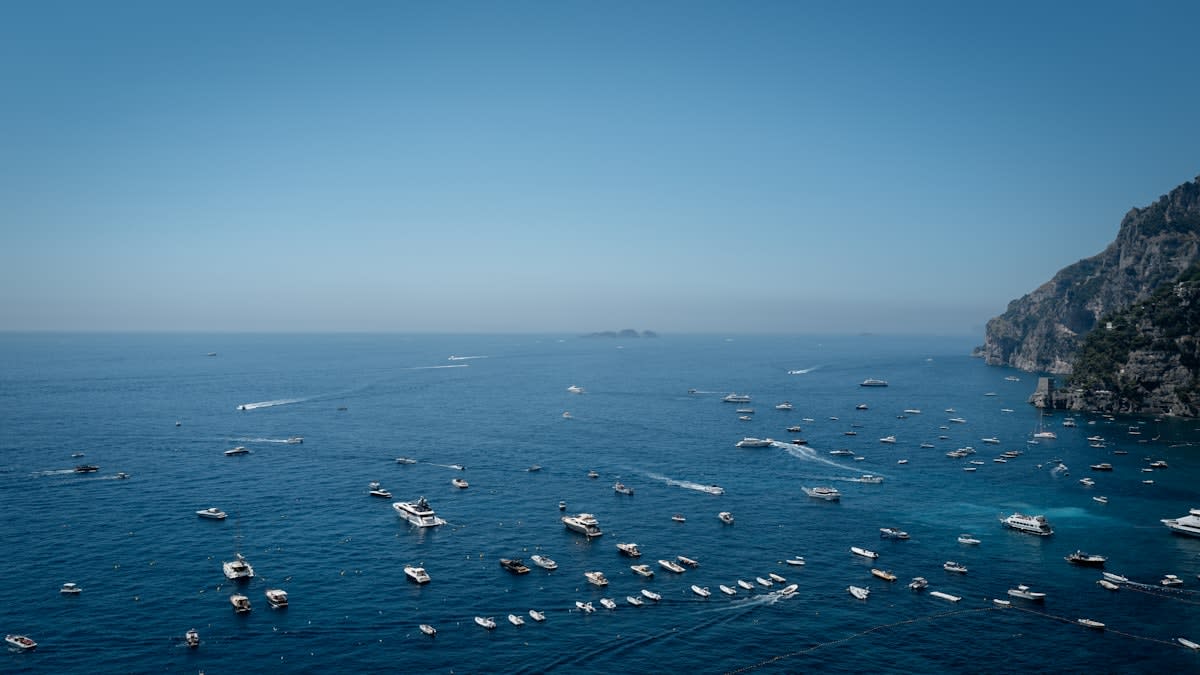
The conversation around ocean-based carbon capture has shifted gears this month, moving from academic speculation to a data-driven push. The trigger is a significant milestone from the NOAA Office of Oceanic and Atmospheric Research, which recently published two global ocean carbon data products designed to radically improve how we monitor and measure global biogeochemical cycles (Source: NOAA, 2026). For years, the primary barrier to large-scale iron fertilization—the process of seeding the ocean with nutrients to stimulate phytoplankton blooms—has been the 'measurement gap.' We simply couldn't track the carbon with enough precision to prove it stayed sequestered. That gap is closing.
This isn't just a marginal improvement in bookkeeping. The new NOAA products provide the infrastructure needed to predict ocean change with a level of granularity that was previously impossible (Source: NOAA, 2026). When you can measure the delta of carbon uptake in real-time across vast oceanic basins, the temptation to intervene grows. The industry is no longer asking if we can seed the ocean, but whether we can now prove the efficacy of doing so without triggering ecological collapse.
"The publication of these global ocean carbon data products will substantially improve our capacity to monitor and measure global biogeochemical cycles and improve predictions of ocean change."— NOAA Office of Oceanic and Atmospheric Research, 2026
Compare this to the landscape twelve months ago. We were operating in a fog of uncertainty, relying on fragmented datasets and localized studies. Today, the availability of globalized carbon data acts as a green light for proponents of ocean fertilization. The shift is palpable: we have moved from the 'observation phase' into a 'validation phase,' where the goal is to quantify exactly how much atmospheric CO2 can be dragged into the deep ocean through biological stimulation.
The Safety Paradox: Risk vs. Reward
But precision in measurement does not equal safety in execution. The Woods Hole Oceanographic Institution (WHOI) continues to pose the critical question: can the ocean actually take up more carbon dioxide from the atmosphere safely and effectively? (Source: WHOI, 2026). This question cuts to the core of the controversy. Iron fertilization doesn't just capture carbon; it alters the very chemistry of the water, potentially creating dead zones or disrupting the food chain in ways that our current models might still miss.
Why take the risk? Because the scale of the ocean is the only thing that matches the scale of the problem. While terrestrial forests are burning and soil saturation is reaching a limit, the deep ocean remains the largest active carbon sink on the planet. The tension now lies between the cautious approach of institutional researchers and the urgency of carbon-credit entrepreneurs who see the NOAA data as a pathway to monetizing the high seas.
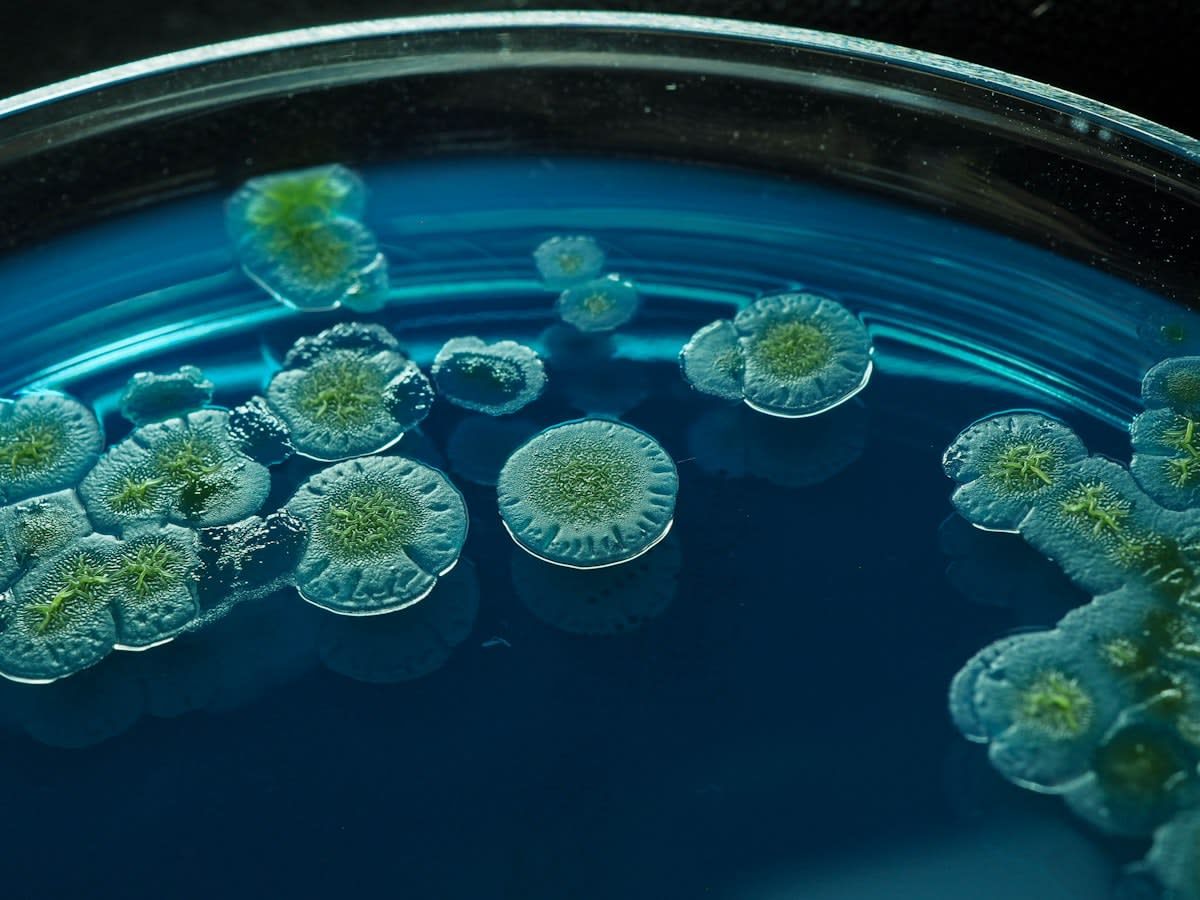
From a practitioner's perspective, the friction is most intense during the design of these experiments. In the field, the debate isn't about whether iron works—we know it triggers blooms. The real fight is over 'leakage.' Experts argue over whether the carbon captured in one region is simply offset by decreased productivity in another, or if the sequestered carbon actually reaches the benthic zone or just recycles in the upper ocean. It is a battle of sensors and sampling depths, where a few meters of difference in a data point can change the entire conclusion of a multi-million dollar study.
This atmospheric struggle is mirrored in the shipping industry, which is opting for more immediate, mechanical solutions over biological ones.
Industrial Alternatives: Onboard Capture
While the biological seeding debate rages, the maritime sector is pivoting toward Onboard Carbon Capture (OCC). This is a far more controlled, though mechanically complex, approach. According to a report from Lloyd's Register, onboard carbon capture has the potential to cut shipping emissions by a staggering 30% to 70% (Source: Lloyd's Register, 2026). This represents a tangible, immediate win for the industry that bypasses the ecological risks associated with ocean fertilization.
| Method | Estimated Emission Reduction | Primary Risk | Deployment Speed |
|---|---|---|---|
| Onboard Carbon Capture | 30-70% | Mechanical Failure / Energy Penalty | Fast (Industrial) |
| Ocean Iron Fertilization | Variable / High Potential | Ecological Disruption / Dead Zones | Slow (Regulatory/Scientific) |
The appeal of OCC is its predictability. You aren't relying on the whims of a phytoplankton bloom; you are scrubbing CO2 directly from the exhaust stack. For ship owners, the 30-70% reduction figure is a powerful incentive to adopt the technology now rather than waiting for the international community to agree on the legality of seeding the open ocean (Source: Lloyd's Register, 2026).
The Nutrient Parallel: Lessons from Land
To understand the logic driving the ocean seeding push, one only needs to look at terrestrial agriculture. In Egypt, recent research has explored the interactive effects of nitrogen and iron fertilization on canola productivity under arid conditions (Source: MDPI, 2026). These studies demonstrate a 'maximum yield threshold'—the point where adding more nutrients no longer increases productivity and may even become counterproductive. This is exactly the same logic being applied to the ocean.
The Egyptian canola experiments, conducted between 2024 and 2026, highlight that the relationship between iron, nitrogen, and carbon uptake is not linear (Source: MDPI, 2026). If the ocean behaves like a giant field of canola, then simply dumping iron into the water won't work unless other limiting nutrients are present. This realization is what has led to the current push for more sophisticated, multi-nutrient seeding strategies, moving away from the crude 'iron-only' approach of the early 2000s.
Ultimately, whether through the scrubbers of a cargo ship or the biological pump of the Southern Ocean, the goal remains the same: decoupling economic activity from atmospheric carbon accumulation. The tools are finally here, but the courage to use them safely is still being debated.
Fact-Check & Accuracy Note
Key claims regarding NOAA's data products (2026), Lloyd's Register's OCC statistics (30-70%), and the MDPI canola study (2024-2026) are sourced from the provided research data. The debate regarding the 'safety and effectiveness' of ocean CO2 uptake is attributed to the Woods Hole Oceanographic Institution (2026). A primary area of ongoing uncertainty remains the long-term sequestration rate of iron-induced blooms versus their short-term surface visibility.