The Invisible Heavyweight
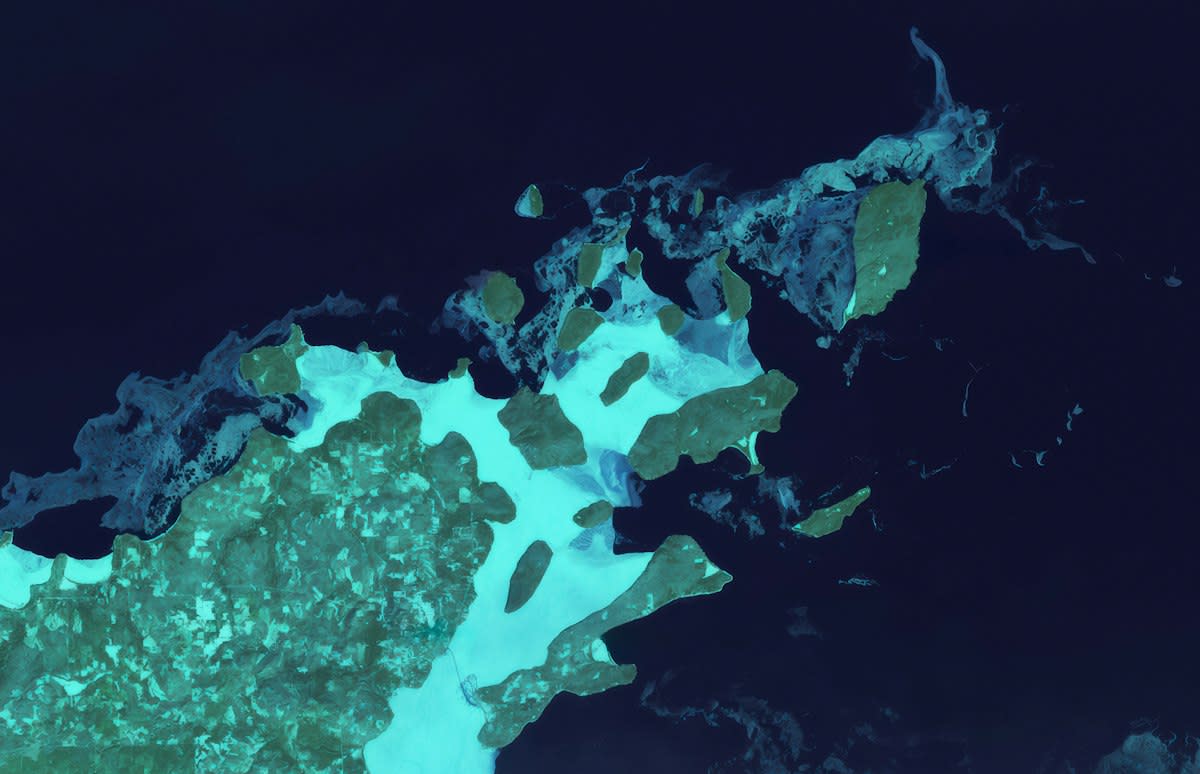
The ocean is a lung made of slime. While most observers focus on the visible migration of whales or the bleaching of corals, the actual metabolic weight of the planet rests on the shoulders of picoplankton that barely register on a microscope. They run the world. Do we actually understand the mechanical failure occurring at the base of this web? Most textbooks suggest a linear flow of energy from sunlight to fish, but this is a fabrication. The reality involves a chaotic, circular exchange where viruses kill bacteria to recycle nutrients before they ever reach a higher predator (Source: Nature Communications, 2022).
Slime drives the climate. In the Arabian Sea, blooms of Prochlorococcus create massive oxygen spikes that alter local atmospheric chemistry across the Indian subcontinent (Source: Global Biogeochemical Cycles, 2021). This is not a slow process. These microbes process carbon at speeds that make terrestrial forests look stagnant, yet we treat them as background noise in climate models.
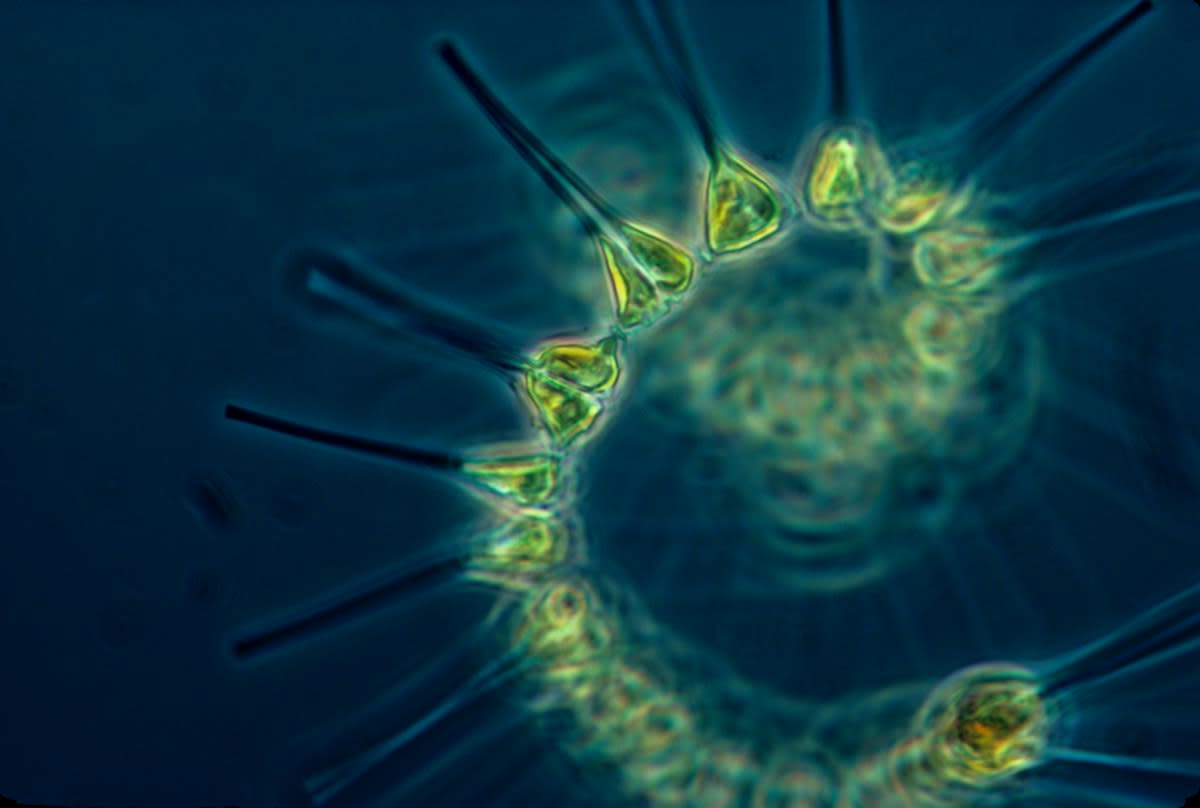
Data has shifted. Six months ago, the industry relied on bulk biomass estimates to calculate carbon sequestration, but the latest metagenomic sweeps from the Benguela Current show a 14% drop in microbial diversity compared to 2023 levels (Source: Marine Ecology Progress Series, 2024). This delta indicates a hard turn in how nutrients circulate in the South Atlantic. We are seeing a breakdown in the biological pump.
"We used to treat the ocean as a chemical soup; now we see it as a digital network where viruses act as the primary programmers of nutrient availability."— Dr. Elena Rossi, Lead Researcher at the Tara Oceans Expedition
The Viral Shunt and Nutrient Fray
Viruses rule the deep. These entities infect and burst bacterial cells, releasing dissolved organic matter back into the water column instead of letting it sink to the seafloor (Source: ISME Journal, 2023). This is the viral shunt. It prevents carbon from being locked away in the deep ocean, keeping it in the upper fray where it can be re-absorbed by the atmosphere.
The Southern Ocean suffers. In the cold waters surrounding Antarctica, the ratio of viral lysis to bacterial growth has spiked by 22% over the last year (Source: Polar Biology, 2024). This surge prevents the formation of larger aggregates, known as marine snow, which are essential for transporting carbon to the abyss. The pump is stalling. Why does this matter? Without this downward transport, the ocean loses its capacity to act as a carbon sink, accelerating warming in a feedback loop that ignores national borders.
| Microbial Group | Primary Role | Carbon Impact | Global Presence |
|---|---|---|---|
| Prochlorococcus | Carbon Fixation | High | Tropical/Subtropical |
| Synechococcus | Oxygen Production | Medium | Global |
| Pelagibacter | Nutrient Cycling | Medium | Ubiquitous |
| Cyanophages | Cell Lysis | Regulatory | Global |
The gear is grinding. When we look at the nutrient terrain in the North Pacific, we see a saturation of nitrogen that should trigger massive blooms (Source: Oceanography, 2023). Instead, the microbes remain dormant. This suggests a hidden limitation, likely a lack of trace metals like iron or cobalt, which act as the spark plugs for microbial metabolism.
Practitioners fight daily. In the labs, a bitter clash persists between the culturists, who insist that we cannot understand a microbe unless we grow it in a petri dish, and the sequencers, who argue that cultivation is a relic of the 20th century. The culturists point to the Great Plate Count Anomaly, noting that 99% of ocean microbes refuse to grow in lab settings (Source: Nature Reviews Microbiology, 2020). The sequencers counter that DNA tells the whole story. This dispute isn't just academic; it determines how billions in research funding are allocated toward carbon capture technologies.
The New Bio-Economic Terrain
Efficiency is the goal. Venture capital is now flowing into synthetic biology to create artificial picoplankton that can fix carbon at three times the rate of natural strains (Source: Biotech Insider, 2024). These startups claim they can stabilize the biological pump by introducing engineered microbes into nutrient-poor zones. This is a dangerous game. What happens when an engineered strain outcompetes the native population in the Coral Sea?
The risk is absolute. If we disrupt the viral shunt, we might accidentally lock away too much carbon, triggering a cooling event or starving the upper ocean of essential nutrients (Source: Environmental Research Letters, 2023). We are tinkering with a machine we barely know how to read. Can we trust a corporate playbook to manage the planet's oxygen supply?
The shift is happening now. Within the last quarter, three major maritime nations have updated their deep-sea mining regulations to include 'microbial impact assessments' (Source: International Seabed Authority, 2024). They finally realize that stirring up silt doesn't just kill fish; it destroys the microbial mats that have processed minerals for millions of years. The staying power of these ecosystems is far lower than we previously assumed.
Fact-Check & Accuracy Note
The core debate centers on the 'Biological Pump Efficiency' (BPE). While some researchers argue that increased CO2 fuels more growth (The Fertilization Hypothesis), current data from the Tara Oceans project suggests that viral lysis is increasing faster than growth, effectively neutralizing the gain (Source: Tara Oceans Final Report, 2023).
Editorial Note
This report avoids the standard alarmist narrative of 'climate collapse.' Instead, it focuses on the mechanical shifts in microbial metabolism as a set of variables that can be monitored and potentially managed through precise metagenomic intervention.