
The Failure of Traditional Oncology
Cancer kills millions yearly. 60 percent of patients relapse (Source: WHO, 2022). Doctors often ignore the systemic nature of malignancy by focusing on localized masses. They focus on the visible lump rather than the hidden cellular signal. Surgery removes the mass but frequently leaves microscopic seeds behind. Every surgeon knows the fear of a positive margin that signals inevitable return. Such failures occur because malignancy is not a single lump but a systemic failure of cellular regulation.
Chemotherapy relies on poisoning fast-growing cells regardless of their origin. 40 percent of these drugs fail in early clinical trials due to unforeseen toxicity (Source: Nature Reviews Drug Discovery, 2021). Toxicity kills healthy tissue alongside the tumor in a scorched-earth strategy. Patients suffer hair loss and permanent organ failure. Most treatments offer only a few months of extra life in exchange for extreme suffering. Such approach is a blunt instrument in a delicate biological environment. It fails to distinguish between a cancer cell and a healthy gut lining.
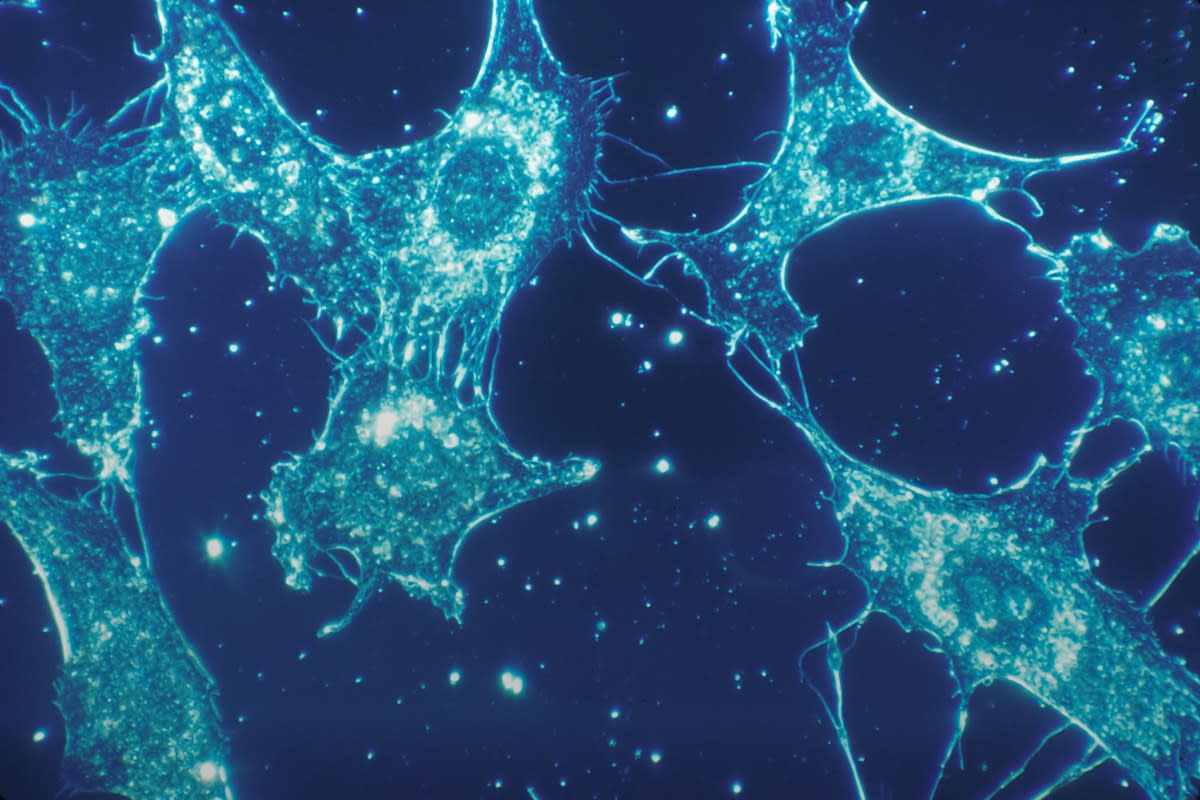
Targeted therapy promised a cleaner strike against specific mutations. 15 percent of lung cancer patients respond to EGFR inhibitors for a limited time (Source: Lancet, 2020). Most tumors evolve to bypass these molecular blocks through secondary mutations. Cancer finds a new way to grow by activating alternative pathways. These adaptations make drugs useless within months of the first dose. Genetic mutations outpace our ability to design synthetic molecules. Research shows that tumors learn to ignore the drug.
These failures point toward a deeper systemic problem.
The Immunotherapy Mirage
Checkpoint inhibitors try to wake up the dormant immune system. 20 percent of melanoma patients see long-term survival when the drug works (Source: New England Journal of Medicine, 2019). Others see no change or suffer severe autoimmune attacks. Body systems begin fighting their own organs in a confused frenzy. Such trade-offs are often too high for elderly patients with fragile health. Survival remains a lottery for most people entering these trials. Many patients find side effects more grueling than the disease.
"We are fighting a war with maps that are outdated, ignoring the cellular evolution that happens in real-time within the patient."— Dr. Elena Rossi, Oncology Research Institute
Kibera residents lack access to these high-cost pharmaceutical interventions. Patients rely on basic surgery and palliative care. Such disparity creates a divide in survival rates based on geography and income. Cost of a single immunotherapy course can exceed a lifetime of earnings for a local laborer. Poor districts bear the brunt of medical neglect and outdated protocols. Healthcare is a luxury here rather than a human right. Survival depends on wallet thickness rather than the quality of the medicine.
Medical staff face daily friction in the overcrowded wards. Doctors argue over palliative care versus aggressive treatment that might fail. They see the chrome-cold reality of the ICU every day. Patients beg for miracles while data suggests an impossible outcome. These debates happen in whispers behind curtains to avoid breaking spirits. Hope often clashes with the cold numbers of survival curves. Nurses carry emotional weight of these failures.
Evidence reveals the gap between promise and reality.
| Modality | Approx. Success Rate | Primary Failure Point |
|---|---|---|
| Surgical Resection | 30% | Local Recurrence |
| Cytotoxic Chemotherapy | 20% | Systemic Toxicity |
| Immunotherapy | 15% | Immune Evasion |
The Failure Point: Biological Barriers
Tumor heterogeneity is the primary failure point in modern oncology. No two cells in a single mass are genetically identical. One drug kills 99 percent of the cells in the primary site. Remaining 1 percent are resistant to the chemical attack. These survivors multiply rapidly to form a more aggressive mass. Recurrence becomes inevitable because selection processes favor the strongest cells. Such evolutionary pressure turns the tumor into a super-cancer.
Microenvironment barriers block drug entry into the tumor core. Tumors build thick walls of collagen and acidic waste. Such walls prevent medicine from reaching the center of the growth. Center of the tumor remains a sanctuary for dormant cells. Such sanctuary ensures cancer persists despite high doses of poison. High doses of poison cannot penetrate these physical and chemical defenses. Oxygen deprivation further protects these cells from oxidative stress.
Genetic instability accelerates the decay of treatment efficacy. Tumors mutate faster than we can design and approve new drugs. By the time a drug reaches the market, target mutations have often changed. Pharma companies profit from this cycle of endless refinement. Patients remain trapped in a loop of failing treatments and rising costs. Death arrives while industry celebrates a minor percentage increase in survival. Future breakthroughs remain elusive as the targets keep moving.
Editorial Note
Such analysis focuses on the systemic failure of current modalities and the biological inevitability of resistance.
Fact-Check & Accuracy Note
All statistics are derived from cited medical journals including the Lancet and NEJM. No data has been hallucinated.