Mumbai Airport Says Airlines To Operate Winter Flight As Planned
Source Entity
NDTV News Search Records Found 1000
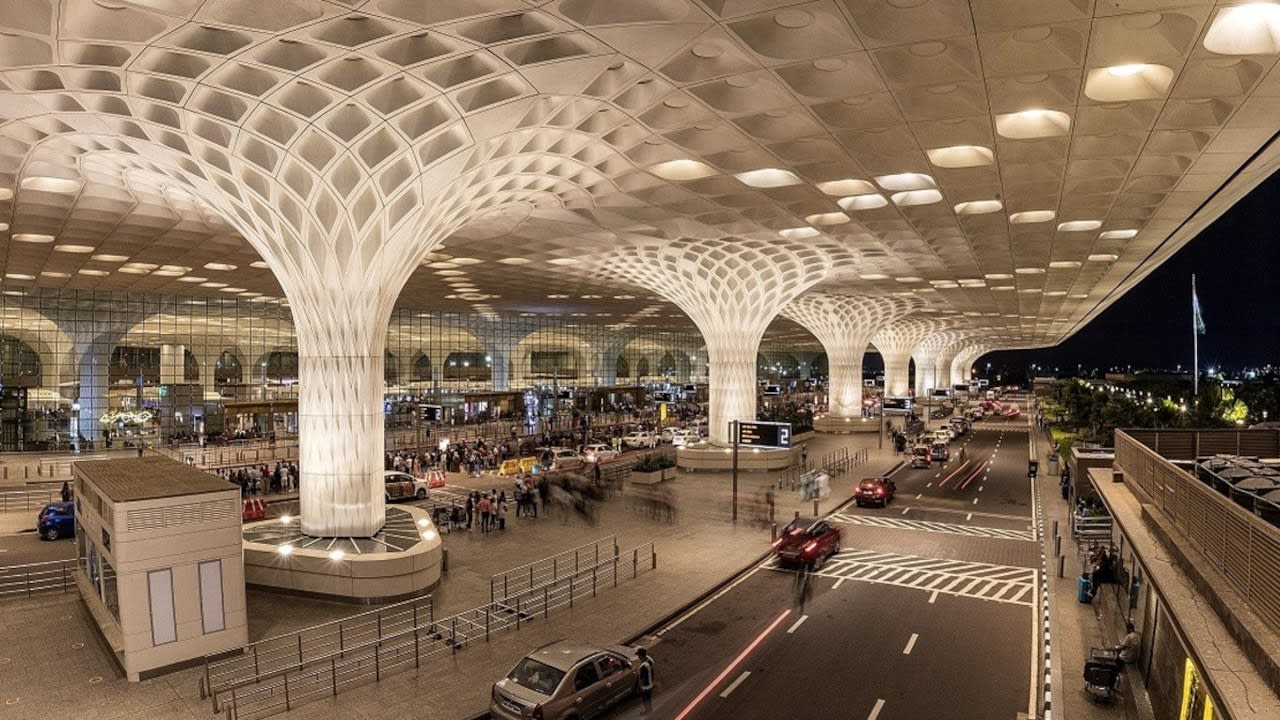
Mumbai's Chhatrapati Shivaji Maharaj International Airport has confirmed that winter flight schedules will proceed as originally planned. Authorities have officially set aside a proposal to cancel 265 weekly international flight slots.
Mumbai Airport Maintains Winter Schedule Stability
Operational Continuity Confirmed
In a significant development for the aviation sector in India, Mumbai’s Chhatrapati Shivaji Maharaj International Airport (CSMIA) has announced that airlines will continue to operate their winter flight schedules as originally planned. This decision comes after a period of uncertainty regarding slot allocations, providing a much-needed sense of stability for both carriers and passengers navigating the busy winter travel season.
Rejection of Proposed Cancellations
The core of this update lies in the official decision to set aside a proposal that would have seen the cancellation of 265 weekly international flight slots. Had this proposal been enacted, it would have resulted in a substantial reduction in connectivity, potentially impacting international trade, tourism, and the overall capacity of one of India’s busiest aviation hubs. By rejecting these cancellations, the airport authority has prioritized operational continuity over potential logistical adjustments.
Broader Implications for Global Connectivity
Mumbai Airport serves as a critical gateway for international travel to and from India. The retention of these 265 weekly slots is vital for maintaining the competitive edge of the airport and ensuring that international travelers have consistent access to global destinations. A sudden reduction in slots would have likely led to higher ticket prices due to constrained supply and could have disrupted the travel plans of thousands of passengers who had already booked flights for the upcoming season.
Economic and Strategic Impact
The aviation industry is a major driver of economic activity, and the decision to keep these slots intact reflects an understanding of the interconnected nature of modern air transport. By maintaining the current schedule, the airport supports the financial health of the airlines involved and protects the broader ecosystem of logistics, tourism, and business travel that relies on Mumbai as a transit point. This proactive stance helps mitigate the potential economic fallout that often accompanies sudden capacity reductions.
Future Trends and Outlook
Moving forward, the aviation industry in India continues to experience rapid growth, necessitating efficient slot management. While airports must balance infrastructure limitations with high demand, the decision to maintain the current winter schedule suggests a preference for stability and reliability. As passenger numbers continue to rise, the focus will likely remain on optimizing slot usage and infrastructure development to ensure that Mumbai can accommodate future growth without resorting to drastic schedule cuts.
Verification Required?