The Paris Auto Show is full of interesting cars Americans can’t have
Source Entity
Jonathan M. Gitlin
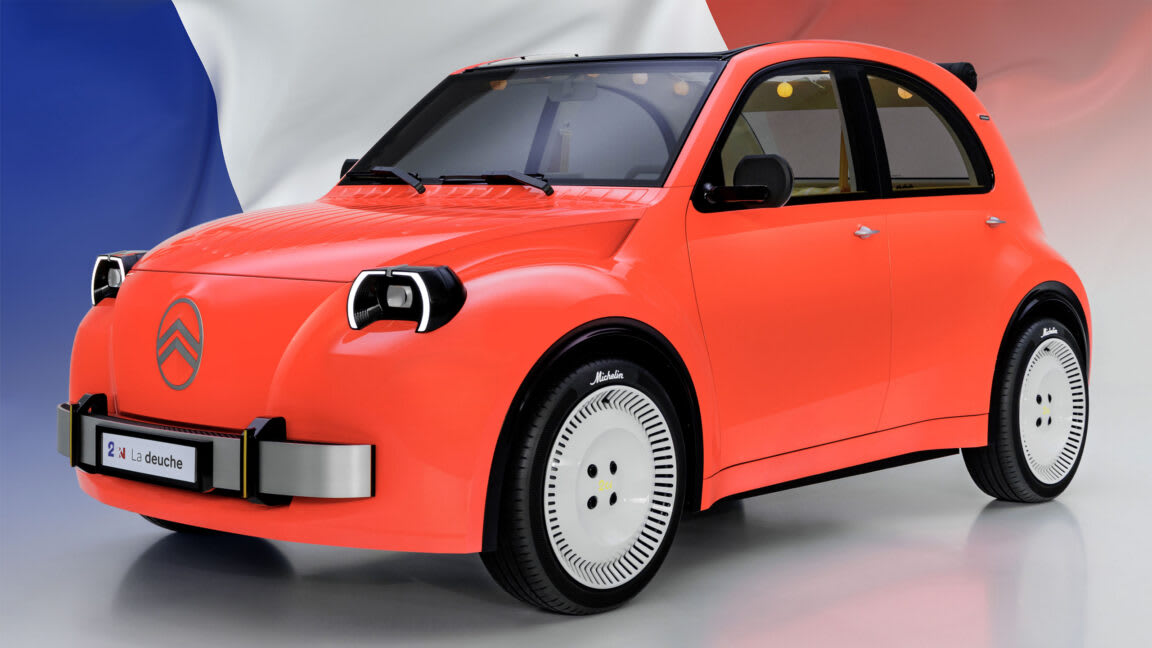
The Paris Auto Show has seen a resurgence in major vehicle debuts, bucking the trend of declining traditional trade shows. Despite the return of iconic nameplates, many of these innovative, small, and efficient EVs remain unavailable to the American market.
The Resurgence of the Paris Auto Show
The landscape of the automotive industry has undergone a seismic shift over the past decade, moving away from the grand, centralized trade shows that once served as the industry's heartbeat. For years, the allure of the major auto show as a singular gateway for new model debuts had been fading, as manufacturers increasingly favored exclusive, offsite events to control the narrative and avoid sharing the spotlight with competitors. This fragmentation, compounded by the global disruption of the pandemic, led many to believe that the era of the massive, central auto show was effectively over.
A Return to Form in Paris
However, the recent media day at the Paris Auto Show has challenged this narrative of decline, offering a vibrant display reminiscent of the industry’s golden age of debuts. Rather than the sparse floors seen in recent years, Paris has hosted a flurry of new model reveals, signaling a potential stabilization or even a revival of the traditional trade show format. This resurgence suggests that despite the digital evolution of marketing, there remains a tangible, high-value demand for a centralized venue where the industry can showcase its collective progress in real-time.
The Retro-Futuristic Trend
One of the most compelling aspects of the Paris show is the aesthetic and conceptual direction of the vehicles themselves. Automakers are leaning heavily into nostalgia, utilizing familiar, storied nameplates to anchor their transition into the modern, electrified era. By reimagining classic models, companies are leveraging existing brand equity to bridge the gap between traditional automotive passion and the functional requirements of modern, sustainable transportation.
The Small EV Revolution
At the heart of these displays are small, highly efficient electric vehicles (EVs) and practical people carriers. These designs represent a stark contrast to the oversized, heavy SUVs that have dominated the American market for years. These vehicles prioritize maneuverability, urban efficiency, and resource optimization—key metrics for the European market, which has historically favored compact, versatile transport solutions over the massive footprints common in North America.
The Trans-Atlantic Disconnect
Despite the excitement surrounding these reveals, a significant barrier remains for enthusiasts and consumers in the United States: the vast majority of these innovative models are not slated for the American market. This creates a unique "forbidden fruit" dynamic, where global automotive progress is clearly visible, yet geographically constrained. The disconnect highlights the divergence in regulatory environments, consumer preferences, and infrastructure capabilities between Europe and the United States.
Future Implications and Conclusion
Looking forward, the success of the Paris Auto Show suggests that the industry may be finding a new equilibrium between digital accessibility and physical presence. While the current trend favors small, efficient EVs for the European market, the broader implication is that the appetite for new, reimagined classics is global. As automakers continue to refine their electrification strategies, the lessons learned from the Paris show—both in terms of event engagement and vehicle design—will likely influence future product development cycles, even if the specific models shown remain exclusive to the European continent for the foreseeable future.