New SEC rules would fleece everyday investors to enrich Wall Street
Source Entity
MarketWatch.com - Top Stories
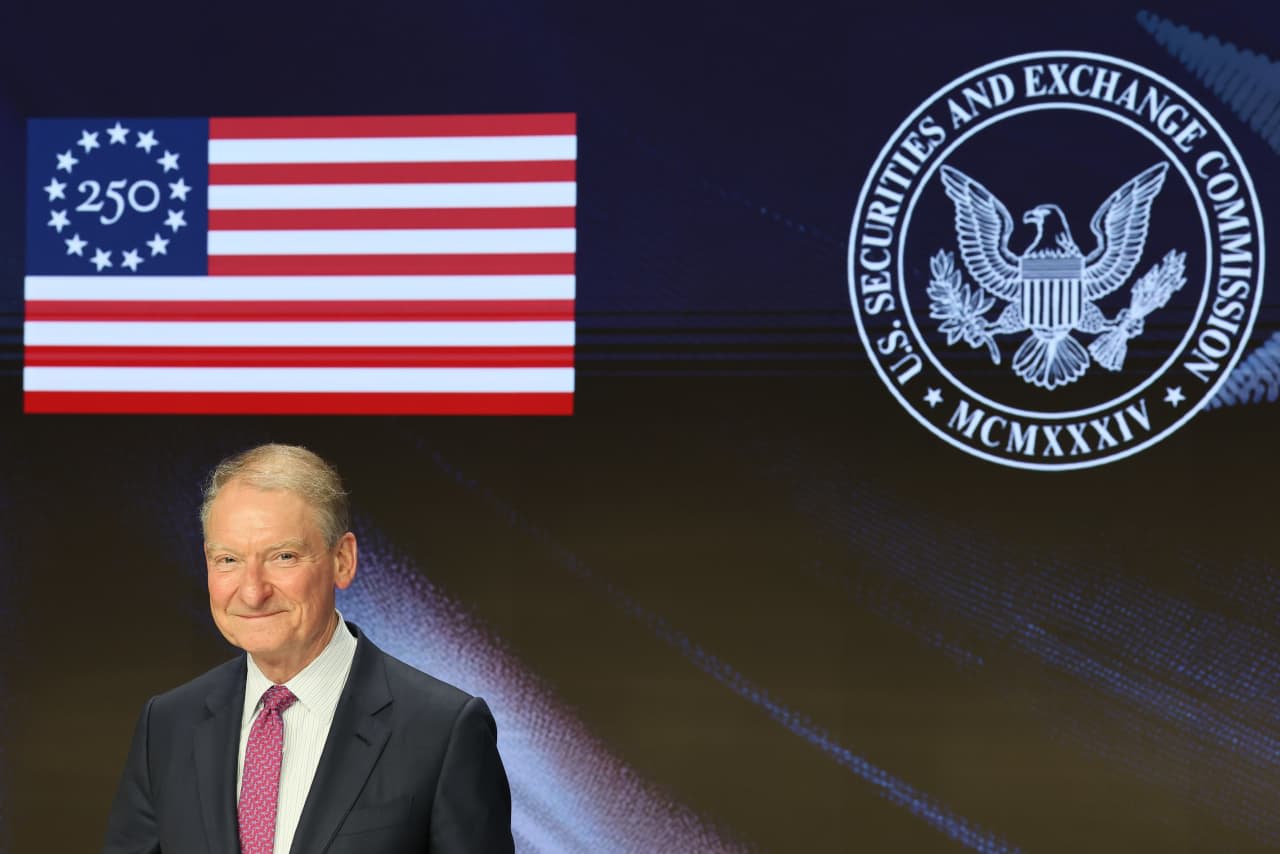
Proposed SEC regulations are facing criticism for allegedly prioritizing Wall Street interests over those of retail investors. Critics argue these changes could create an uneven playing field for everyday market participants.
The Controversy Surrounding New SEC Proposals
Recent proposals introduced by the Securities and Exchange Commission (SEC) have ignited a significant debate regarding the future of market equity. At the heart of the concern is the allegation that these regulatory shifts will disproportionately benefit institutional entities on Wall Street while placing everyday retail investors at a distinct disadvantage. This development represents a critical juncture in how federal oversight balances the interests of massive financial institutions against the growing demographic of individual stock market participants.
The Shift in Regulatory Dynamics
The fundamental tension highlighted by these proposals lies in the structural mechanics of market access and execution. By potentially altering the rules that govern how trades are routed and processed, the SEC risks shifting the market equilibrium. Critics argue that if these changes reduce the transparency or efficiency afforded to individual traders, the 'scales' mentioned in the proposal reports will indeed tilt, effectively favoring high-frequency trading firms and large-scale market makers who possess the infrastructure to capitalize on minor structural changes.
Impact on Retail Investor Sentiment
Retail investors have become an increasingly powerful force in the financial landscape, particularly following the rise of commission-free trading platforms and social-media-driven market movements. If the SEC’s new rules are perceived as a mechanism to 'fleece' these everyday participants, it could lead to a significant decline in market confidence. Historically, retail participation has provided necessary liquidity and price discovery; undermining this segment could have long-term negative consequences for the stability of the broader financial system.
Historical Context of SEC Oversight
The SEC has long operated under a dual mandate: to protect investors and to maintain fair, orderly, and efficient markets. Throughout history, these goals have occasionally come into conflict during periods of rapid technological advancement in trading. When regulatory updates are introduced, they often spark intense lobbying efforts from institutional stakeholders. The current scrutiny reflects a broader societal demand for 'democratized' finance, where the average person is not treated as secondary to institutional giants.
Future Trends and Market Implications
Looking ahead, if these proposals move toward implementation, we may see a shift in investor behavior. Market participants might move toward alternative assets or decentralized platforms if they feel the traditional equity markets are no longer equitable. Furthermore, the political fallout from these rules could lead to increased congressional oversight of the SEC, as legislators respond to constituents concerned about the erosion of retail investor protections. The final outcome of these proposals will likely serve as a litmus test for the SEC's commitment to its foundational mission in an increasingly complex digital financial era.
Verification Required?