CoreWeave investors are feeling spooked, as the company’s stock and bonds see fresh pressure
Source Entity
Hannah Pedone
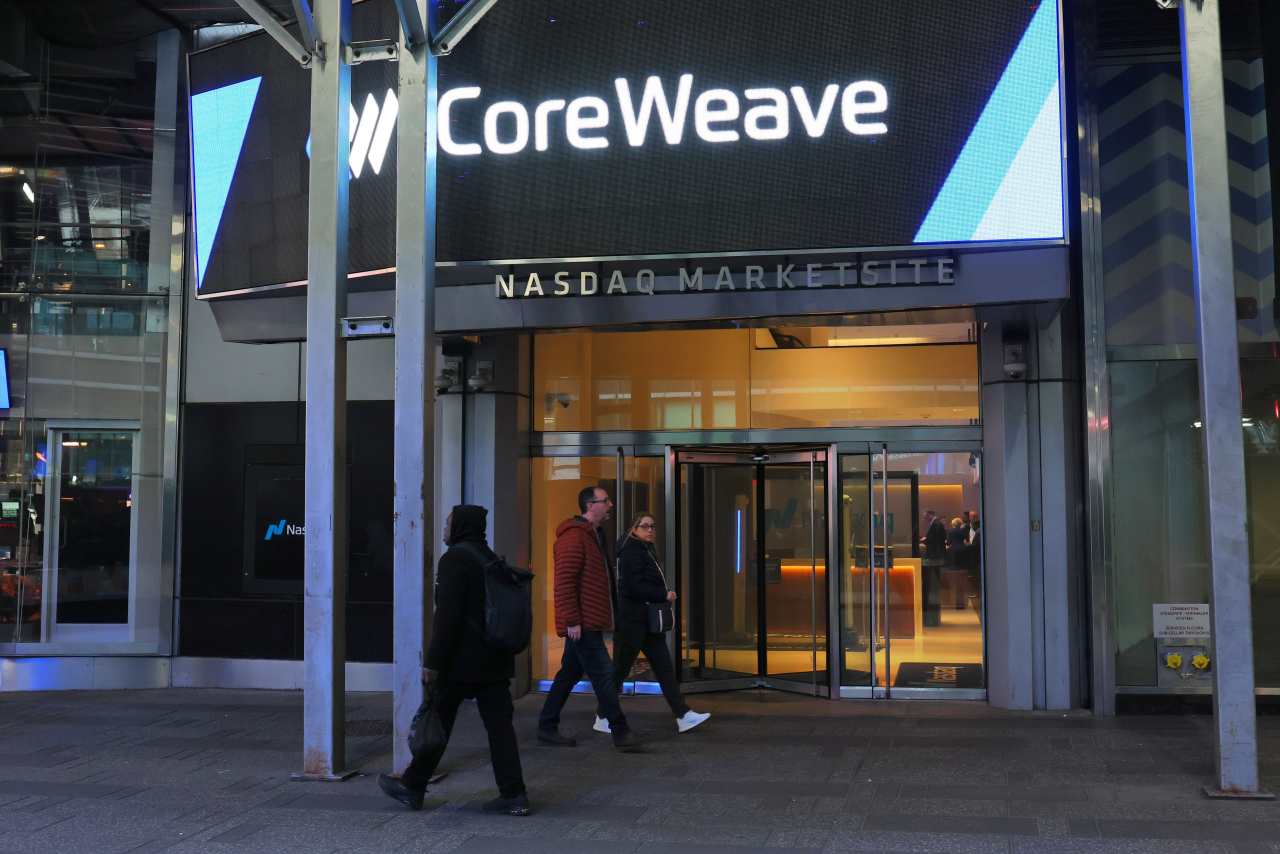
CoreWeave is facing increased market skepticism as the cost to hedge against a potential default rises. This trend reflects growing investor anxiety regarding the firm's financial stability and debt obligations.
The Financial Strain on CoreWeave
Recent market data indicates a notable shift in investor sentiment regarding CoreWeave, a prominent player in the specialized cloud infrastructure space. The cost of credit default swaps (CDS) and other financial instruments used to hedge against the company's potential default has seen a significant uptick. This movement suggests that market participants are becoming increasingly wary of the firm’s long-term financial health and its ability to manage its current debt load.
Understanding the Cost of Default Protection
When the cost to buy protection against a company’s default rises, it serves as a clear signal from the credit markets that perceived risk is escalating. Investors are effectively signaling that they require a higher premium to take on the risk associated with CoreWeave's bonds. This pressure is often reflective of broader concerns regarding liquidity, capital expenditure requirements, or shifting expectations about the company's future revenue streams in a highly competitive AI infrastructure market.
Market Dynamics and Investor Sentiment
CoreWeave, which has carved out a niche by providing GPU-accelerated cloud services, operates in an environment defined by intense capital intensity. As the company continues to scale its operations to meet the massive demand for AI compute, the reliance on debt financing becomes a critical vulnerability. The recent pressure on both stock and bond prices highlights a disconnect between the company's aggressive growth strategy and the market's current appetite for risk in the tech sector.
The Broader Implications for AI Infrastructure
This development is not merely a localized issue for CoreWeave; it carries broader implications for the specialized cloud and AI infrastructure industry. As the sector faces a potential correction or a "wait-and-see" approach from institutional investors, companies with significant debt burdens may find it harder to secure favorable financing terms moving forward. This could lead to a consolidation of the industry, where only those with the strongest balance sheets can sustain the massive hardware investments required for modern AI training.
Historical Context of Debt-Driven Growth
Historically, tech firms that rely heavily on debt to fund massive infrastructure rollouts are particularly sensitive to shifts in interest rates and market sentiment. During periods of economic volatility, investors often pivot away from high-growth, high-leverage entities toward more stable, cash-flow-positive assets. CoreWeave’s current situation mirrors classic patterns observed in other capital-intensive industries where growth expectations eventually collide with the realities of debt servicing and market skepticism.
Future Trends and Outlook
Looking ahead, the trajectory for CoreWeave will likely be determined by its ability to demonstrate sustained revenue growth and operational efficiency to its creditors. If the cost of protection continues to rise, the company may face increased pressure to restructure its debt or seek additional equity financing to soothe investor nerves. The market will be watching closely to see if the firm can reconcile its rapid expansion plans with the tightening financial conditions currently being priced into its debt instruments.
Verification Required?