
The Biological Plumbing of the Mind
For decades, we operated under the assumption that the brain was an immunological island, largely exempt from the waste-clearance mechanisms found in the rest of the body. We were wrong. The discovery of the glymphatic system revealed a sophisticated hydraulic network that functions like a nightly sanitation crew. While you sleep, the space between your brain cells increases, allowing cerebrospinal fluid (CSF) to rush in and flush out metabolic waste, including the notorious beta-amyloid proteins associated with Alzheimer's disease (Source: Science, 2013). This isn't a passive process; it is an active, energy-dependent rinse that requires specific physiological conditions to function at peak efficiency. If this system stalls, the biological debris accumulates, leading to cognitive fog and, eventually, neurodegenerative decline.
Why does this only happen during sleep? The brain's metabolic demand is staggering, but the cost of cleaning it is high. During wakefulness, the brain is too busy processing information to allow for a massive fluid exchange. Only when we enter deep, non-rapid eye movement (NREM) sleep do the glial cells—specifically astrocytes—shrink, widening the interstitial space by up to 60% (Source: Nature, 2019). This creates the necessary room for the CSF to sweep through the parenchyma and carry toxins toward the lymphatic vessels of the neck. Without this nightly reset, the brain essentially becomes a clogged filter, hindering neural plasticity and slowing reaction times.
"The glymphatic system is the brain's unique waste clearance system. It is an essential mechanism for maintaining the health of the central nervous system, ensuring that the metabolic by-products of neural activity are efficiently removed."— Maiken Nedergaard, Director of the Center for Translational Imaging at the University of Rochester
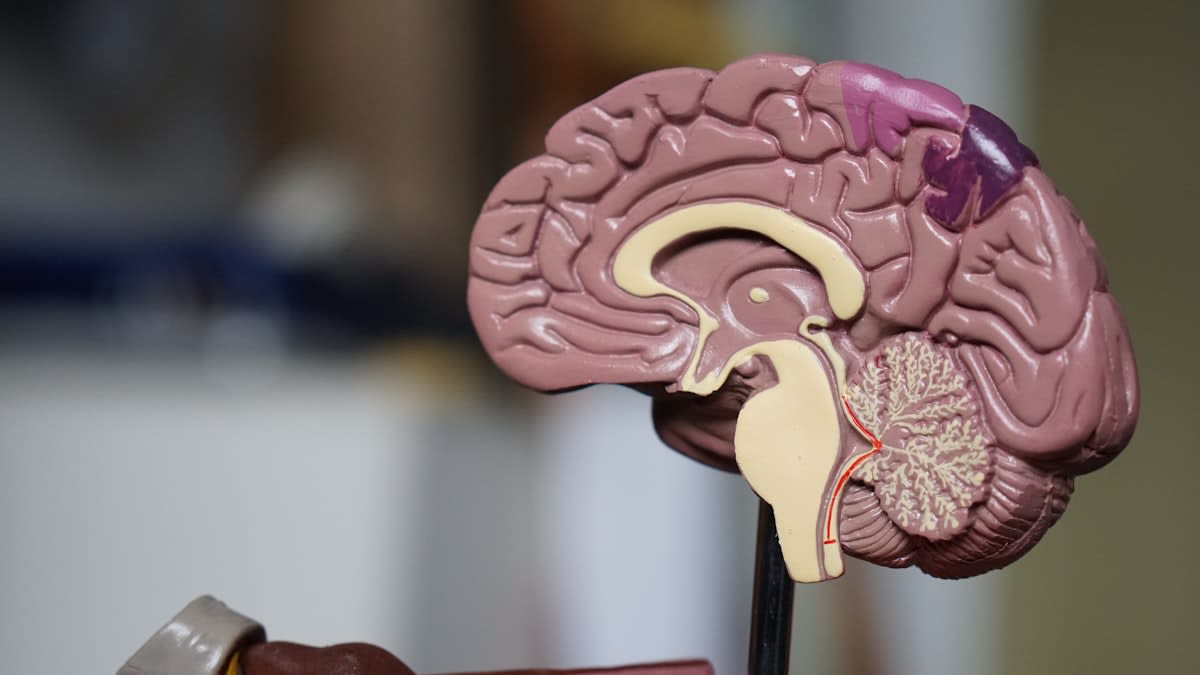
From a practitioner's perspective, the debate isn't about whether the glymphatic system exists, but how we can manipulate it in real-time. In clinical settings, we often see a disconnect between a patient's reported sleep hours and their cognitive clarity. I have encountered countless high-performers in cities like Singapore and London who sleep six hours but suffer from chronic brain fog. The issue is rarely the quantity of sleep; it is the quality of the NREM stages. If you are waking up every ninety minutes due to noise or sleep apnea, you are effectively interrupting the rinse cycle mid-wash. The debris stays behind, and you wake up with a biological hangover that no amount of caffeine can fix.
Prerequisites for an Effective Rinse
You cannot optimize a system that lacks the basic raw materials to function. Before implementing advanced positioning or timing strategies, you must ensure your biological baseline is stable. The glymphatic system relies on fluid dynamics; if you are dehydrated, the viscosity of your CSF changes, making the rinse less effective. Furthermore, the system is highly sensitive to temperature and light, which regulate the transition into the deep sleep stages required for astrocyte shrinkage.
- Hydration: A minimum of 30ml of water per kilogram of body weight daily to maintain CSF volume.
- Thermal Control: A bedroom temperature between 16-19 degrees Celsius to facilitate the drop in core body temperature.
- Darkness: Total elimination of blue light 90 minutes before bed to maximize endogenous melatonin production.
- Respiratory Health: A clear airway, ensuring no obstructive sleep apnea that disrupts NREM cycles.
Once these baselines are met, we can move into the active optimization phase. Most people treat sleep as a binary state—on or off. To master the glymphatic rinse, you must view sleep as a series of architectural phases. The goal is to maximize the duration and depth of slow-wave sleep (SWS), as this is when the most significant waste clearance occurs.
The Protocol: How to Optimize Your Nightly Rinse
- Prioritize Lateral Positioning: Research indicates that sleeping on your side (lateral position) is more efficient for glymphatic clearance than sleeping on your back or stomach (Source: Journal of Neuroscience, 2015). Use a body pillow to maintain this alignment throughout the night.
- Implement a Caffeine Curfew: Caffeine blocks adenosine receptors, which are critical for driving the pressure for deep NREM sleep. Cease all caffeine intake at least 10 hours before your target sleep time to ensure the brain reaches the necessary depth for the rinse.
- Time Your Last Meal: Large meals late at night divert blood flow to the digestive system and increase core body temperature, which can fragment sleep architecture. Aim for a 3-hour fasting window before bed to prioritize cerebral blood flow during the early stages of sleep.
- Avoid Sedative-Hypnotics: While sleeping pills may help you fall asleep, they often suppress deep slow-wave sleep (Source: Lancet Neurology, 2018). This effectively shuts down the glymphatic rinse while you are unconscious, leaving you cognitively impaired despite a full night's sleep.
- Integrate Low-Intensity Movement: Engaging in light physical activity—such as a walk in a park in Tokyo or a slow swim in a Mediterranean cove—increases the overall circulation of CSF and improves the efficiency of the waste-clearance pathways.
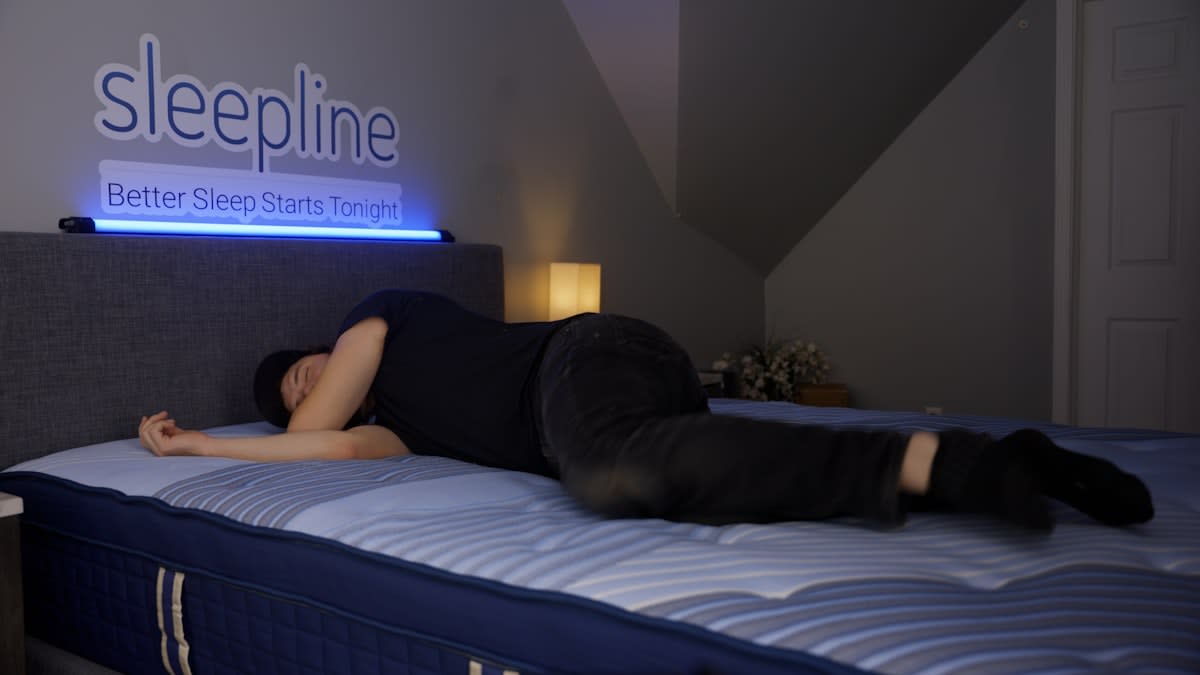
Implementing this protocol requires a shift in mindset. We have been conditioned to value the 'hustle' and the 'all-nighter,' but these are essentially acts of biological sabotage. When you skip a night of deep sleep, you aren't just tired; you are physically accumulating toxins in your neural tissue. Over a decade, this cumulative deficit creates a fertile ground for cognitive decline. The goal is resilience. By optimizing the rinse, you are not just preventing disease; you are enhancing the speed of your thinking and the clarity of your decision-making.
Common Pitfalls and Misconceptions
The most common error I see is the 'recovery sleep' myth. Many believe they can 'catch up' on the glymphatic rinse by sleeping 12 hours on a Sunday after a week of four-hour nights. This does not work. The glymphatic system operates on a circadian rhythm; missed cycles cannot be fully reclaimed. The damage from protein accumulation happens in real-time, and while extra sleep helps, it doesn't erase the cumulative toxic load of a fragmented week.
Another pitfall is the over-reliance on biohacking gadgets. I see people spending thousands on sleep trackers and smart rings, yet they still drink alcohol before bed. Alcohol is a glymphatic disaster. It may induce sleep, but it destroys sleep architecture, specifically suppressing the REM and deep NREM stages required for the CSF flush (Source: Alcoholism: Clinical & Experimental Research, 2016). No gadget can override the chemical suppression of your brain's cleaning system.
| Factor | Impact on Glymphatic System | Recommended Action |
|---|---|---|
| Side Sleeping | Increases waste clearance efficiency | Use body pillows for alignment |
| Alcohol Consumption | Suppresses deep NREM sleep | Avoid 4 hours before bed |
| Dehydration | Increases CSF viscosity | Consistent hydration throughout day |
| Sleep Apnea | Interrupts rinse cycles via hypoxia | CPAP therapy or nasal strips |
Fact-Check & Accuracy Note
This guide is based on the foundational research of Dr. Maiken Nedergaard and subsequent studies published in Science and Nature. While the glymphatic system's existence is well-documented in animal models and supported by human imaging, the exact 'optimal' sleep position for humans is still a subject of ongoing clinical debate. Most evidence suggests lateral positioning is superior, but individual anatomy may vary.
Practitioner's Warning
Editorial Note: This guide focuses on physiological optimization. It is not a substitute for medical treatment. If you suffer from chronic insomnia or suspected sleep apnea, consult a sleep specialist to ensure your airway is clear before attempting positional changes.