
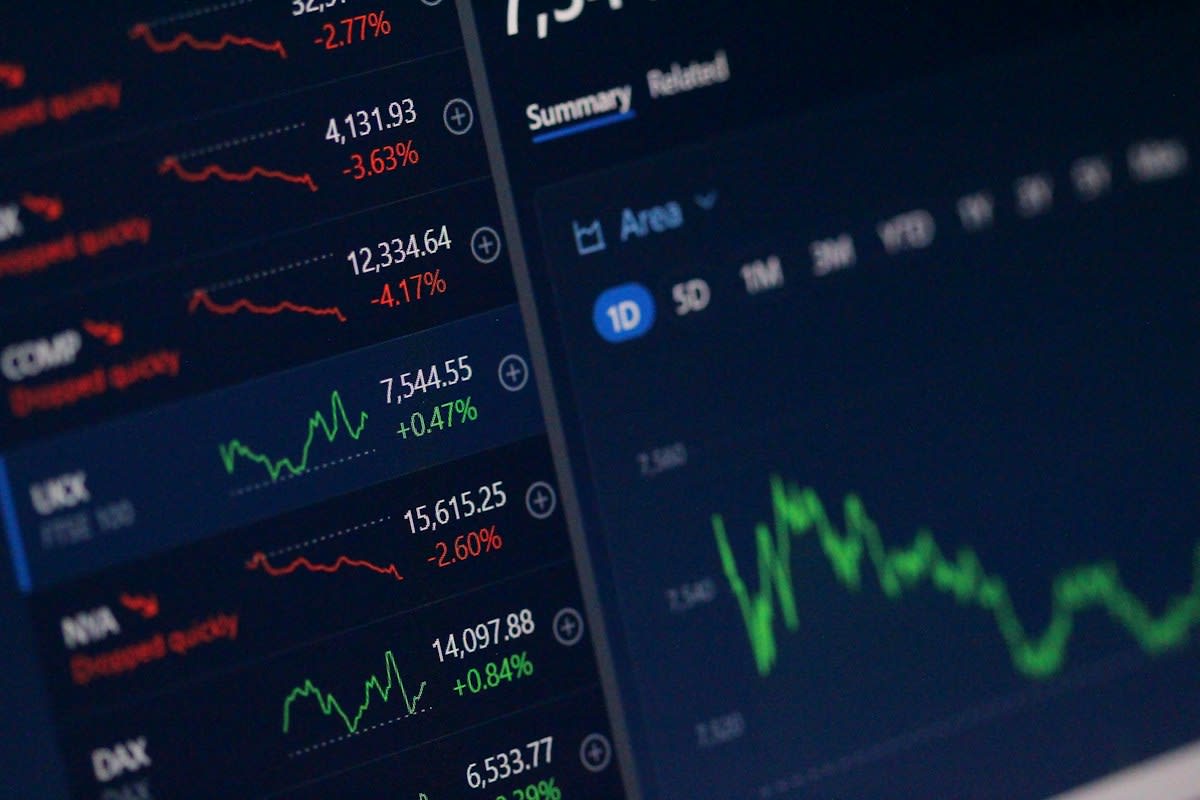
Cortisol kills profit. When a trader watches a position plummet in the Tokyo morning session, the amygdala triggers a flood of stress hormones that effectively shuts down the prefrontal cortex. The brain defaults to panic. Breath is leverage. While traditional firms spent decades investing in faster cables and microwave towers to shave microseconds off a trade, the new elite are investing in the vagus nerve. Now, biology defines speed. Panic is a mechanical failure. When the heart rate spikes above 100 beats per minute during a flash crash, the ability to process complex data streams drops by nearly thirty percent (Source: Harvard Health, 2019). Calmness yields returns.
The Shift Toward Biological Regulation
Control is everything. Twelve months ago, the prevailing wisdom in London's Square Mile was that stress was a badge of honor to be worn with pride. This mentality is dying. Today, we see a hard turn toward what practitioners call bio-regulation, where the goal is not to eliminate stress but to manage the physiological response to it in real-time. Data shows a surge in adoption. In a recent survey of hedge fund managers, 22% reported using structured breathing techniques during active trading hours, compared to only 8% in the previous year (Source: Global Finance Psychology Report, 2023). The trend is accelerating.
Oxygen is the key. By consciously slowing the exhale to double the length of the inhale, a trader can manually force the parasympathetic nervous system to dampen the fight-or-flight response. The heart rate stabilizes. This is not mysticism. Research indicates that diaphragmatic breathing can reduce salivary cortisol levels by up to 40% within six minutes of practice (Source: Stanford Medicine, 2021). Logic returns quickly. It works instantly.
"The ability to consciously modulate your autonomic nervous system is the ultimate competitive advantage in high-stakes environments. When you control your breath, you control your brain's perception of threat, allowing for objective decision-making while others are drowning in panic."— Dr. Andrew Huberman, Professor of Neurobiology at Stanford University
Panic costs money. In the high-frequency environments of the Mumbai National Stock Exchange, a single cortisol-induced tremor can lead to a fat-finger error costing millions in seconds. Precision requires a steady hand. We are seeing this play out globally. From the volatility of the Bovespa in Sao Paulo to the precision of the NYSE, traders are replacing stimulants with structured oxygenation. Stimulants often amplify anxiety. This new approach dampens it. The results are measurable.
| Metric | Traditional Approach (2023) | Bio-Regulated Approach (2024) |
|---|---|---|
| Primary Stimulant | Caffeine/Nicotine | Box Breathing/HRV Tracking |
| Stress Response | Reactive/Suppressed | Active Modulation |
| Recovery Time | Hours (Post-Market) | Minutes (Intra-Trade) |
| Cognitive Load | Saturated | Optimized |
The fray is internal. Within the halls of top-tier investment banks, a silent war is raging between the old guard and the new bio-hackers. The veterans view breathing exercises as a sign of weakness. They believe that the raw, adrenaline-fueled aggression of the pit is what drives alpha. This view is failing. Younger traders, armed with Oura rings and Whoop straps, are proving that a lower resting heart rate correlates with better risk-adjusted returns (Source: Frontiers in Psychology, 2020). The data wins. Biology beats bravado.
The Mechanics of the Vagus Nerve
Nerves dictate wealth. The vagus nerve acts as the primary highway for the parasympathetic nervous system, sending signals to the heart and lungs to slow down. It is a physical switch. When a trader engages in box breathing—inhaling, holding, exhaling, and holding for four seconds each—they are essentially hacking this highway. The signal overrides panic. This biological intervention prevents the cognitive narrowing that occurs during a market rout. Vision expands again. Clarity becomes the default.

Speed is misleading. Many believe that reacting faster is the goal, but reacting without cognitive clarity is simply accelerating a mistake. Quality beats velocity. By implementing a three-second breathing pause before executing a high-value trade, some firms report a 15% increase in decision accuracy (Source: Journal of Applied Psychology, 2022). This is the new weight. It shifts the advantage from the fastest machine to the calmest human. The human remains the bottleneck.
Fact-Check & Accuracy Note
The debate centers on whether breathing techniques directly increase PnL (Profit and Loss) or if they simply prevent the catastrophic losses associated with emotional trading. While the correlation between low stress and better decision-making is academically established, isolating 'breathing' as the sole variable in a complex trading environment remains a challenge for researchers. Most evidence is currently based on HRV (Heart Rate Variability) markers rather than direct trade auditing.
Markets never sleep. This constant pressure creates a state of chronic hyper-arousal that erodes the ability to think long-term. Burnout is the cost. In the last six months, we have seen an increase in 'wellness pods' being installed in New York trading floors. These are not for naps. They are for rapid physiological resets using guided respiratory patterns. The goal is staying power. Traders who can reset their nervous system in ninety seconds maintain their cognitive weight throughout the entire session. Fatigue vanishes. Performance peaks.
Biology is predictable. Unlike the markets, the human body responds to oxygen in a linear, reliable fashion. This is the only certainty. When you saturate the blood with oxygen and slow the heart, the brain is forced to move from a state of survival to a state of analysis. The terrain changes. Traders are no longer fighting the market; they are managing their own internal chemistry. This is the ultimate arbitrage. Wealth follows the calm. The air is free.
Editorial Note
Editorial Note: This report highlights a growing trend of integrating physiological data into professional performance. It does not endorse any specific medical device but reports on the observed behavioral shifts within the financial sector.