Hated Halloween skeletons helped woman beat 19 days of radiation
Source Entity
TOI WORLD DESK
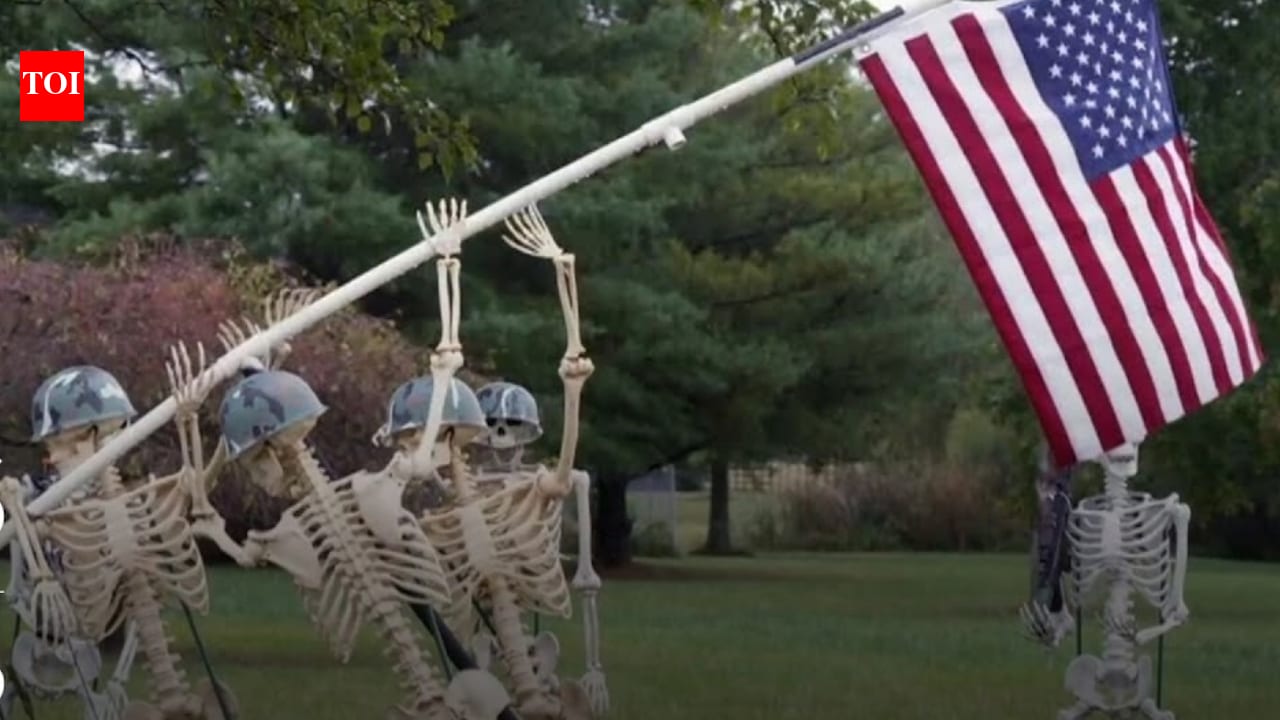
A once-controversial Halloween skeleton display in Oxford, Ohio, became a vital source of comfort for a woman named Tammy during her cancer treatment. The homeowner, Bill Pyle, now maintains the display year-round as a community beacon of hope.
From Controversy to Community: The Skeleton Beacon
In the quiet town of Oxford, Ohio, what began as a polarizing hobby has transformed into a profound symbol of resilience and human connection. Bill Pyle, a local resident, spent years curating elaborate scenes featuring life-sized skeletons on his property. While these displays were intended to be humorous, they initially drew the ire of neighbors who found them unsightly, resulting in formal complaints and angry correspondence. This tension highlights the common friction between personal creative expression and community aesthetic norms, a struggle often played out in suburban neighborhoods across the country.
The Catalyst: A Letter of Hope
The narrative shifted dramatically when Pyle received a handwritten letter from a woman named Tammy. At the time, Tammy was undergoing a grueling 19-day course of radiation treatment for breast cancer. Her letter revealed a poignant truth: the skeletons, which had been a point of contention for many, were a highlight of her daily commute to medical appointments. For Tammy, the whimsical and ever-changing scenes provided a necessary distraction and a sense of normalcy during one of the most challenging periods of her life.
The Power of Empathy in Design
Upon learning of the impact his display had on Tammy, Pyle’s perspective on his hobby underwent a total transformation. He moved beyond merely decorating for Halloween, instead choosing to honor Tammy’s journey by arranging the skeletons to mark the completion of her final radiation treatment. This act of empathy turned a static decoration into a dynamic, interactive element of the neighborhood's emotional landscape, demonstrating how public art—even in its most unconventional forms—can foster deep, unexpected community bonds.
Sustaining the Legacy
Following the success of this interaction, the skeleton display has evolved into a permanent, year-round fixture in Oxford. Pyle now updates the scenes on a weekly basis, ensuring that the display remains fresh and engaging for the entire community. By establishing an annual homage to Tammy, he has institutionalized this bond, ensuring that the story serves as a lasting reminder of how small, intentional gestures can have an outsized impact on those facing significant health struggles.
Broader Implications and Future Trends
This story serves as a compelling case study on the intersection of individual expression and public wellness. It suggests that community identity is not just defined by architecture or landscaping, but by the shared experiences of its residents. As we look toward future trends in neighborhood engagement, stories like Pyle’s underscore a growing appreciation for 'micro-interactions' that bring joy to daily routines. The transformation of a 'hated' display into a beacon of hope proves that empathy can bridge even the widest divides, turning potential neighborhood conflict into a shared narrative of mutual support.