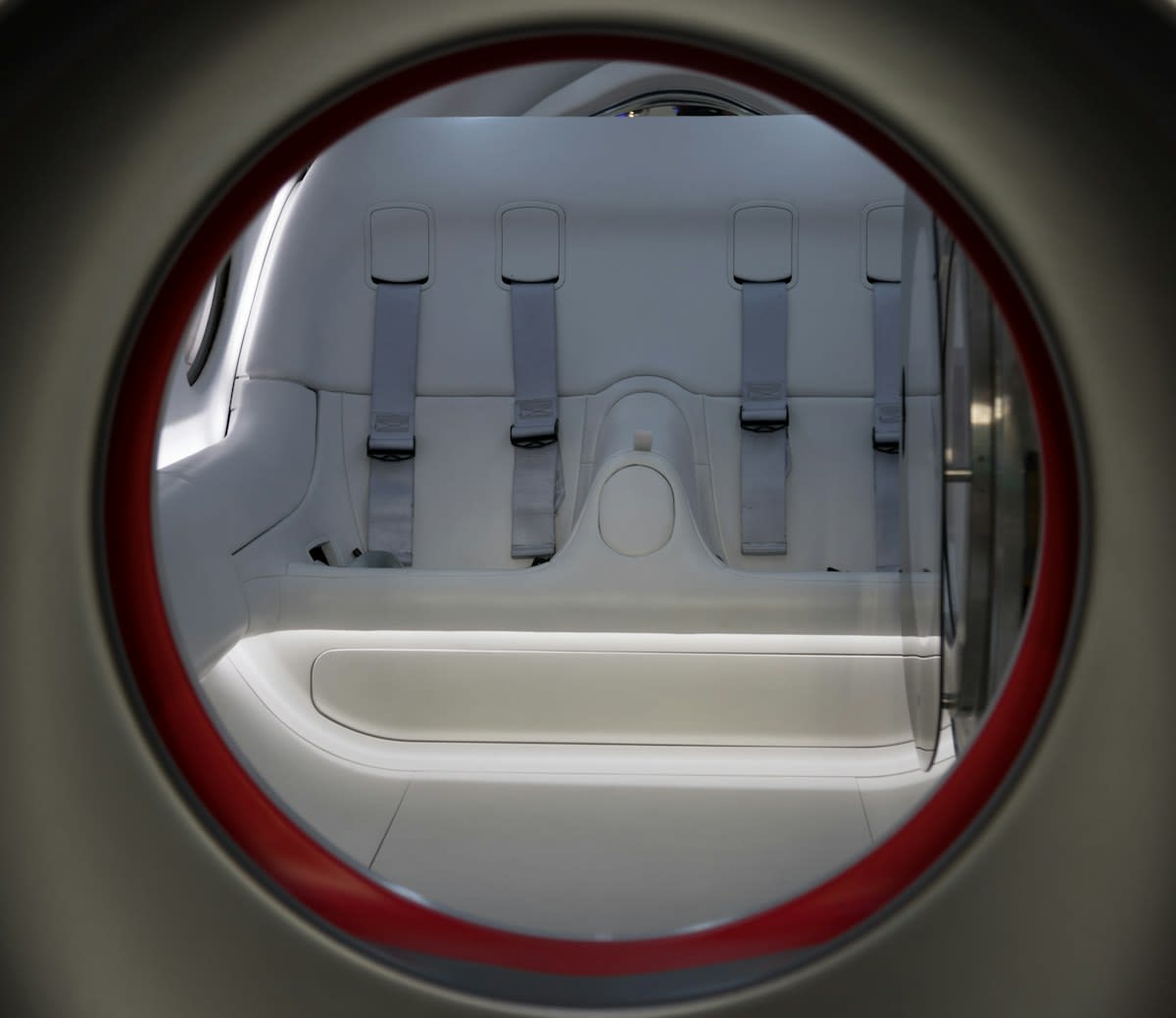
For too long, the standard response to cognitive decline, brain fog, and memory loss has been a patronizing suggestion to solve more crosswords or play sudoku. This approach ignores the underlying physiological crisis. When a patient struggles to find words mid-sentence or forgets their location, they aren't suffering from a lack of mental exercise; they are often dealing with a systemic failure of oxygen delivery to damaged neural tissues (Source: Washington Post, 2026). To actually recover cognitive function, we have to stop treating the brain as a muscle that needs a workout and start treating it as an organ that needs fuel.
The Physiological Foundation: Why Pressure Matters
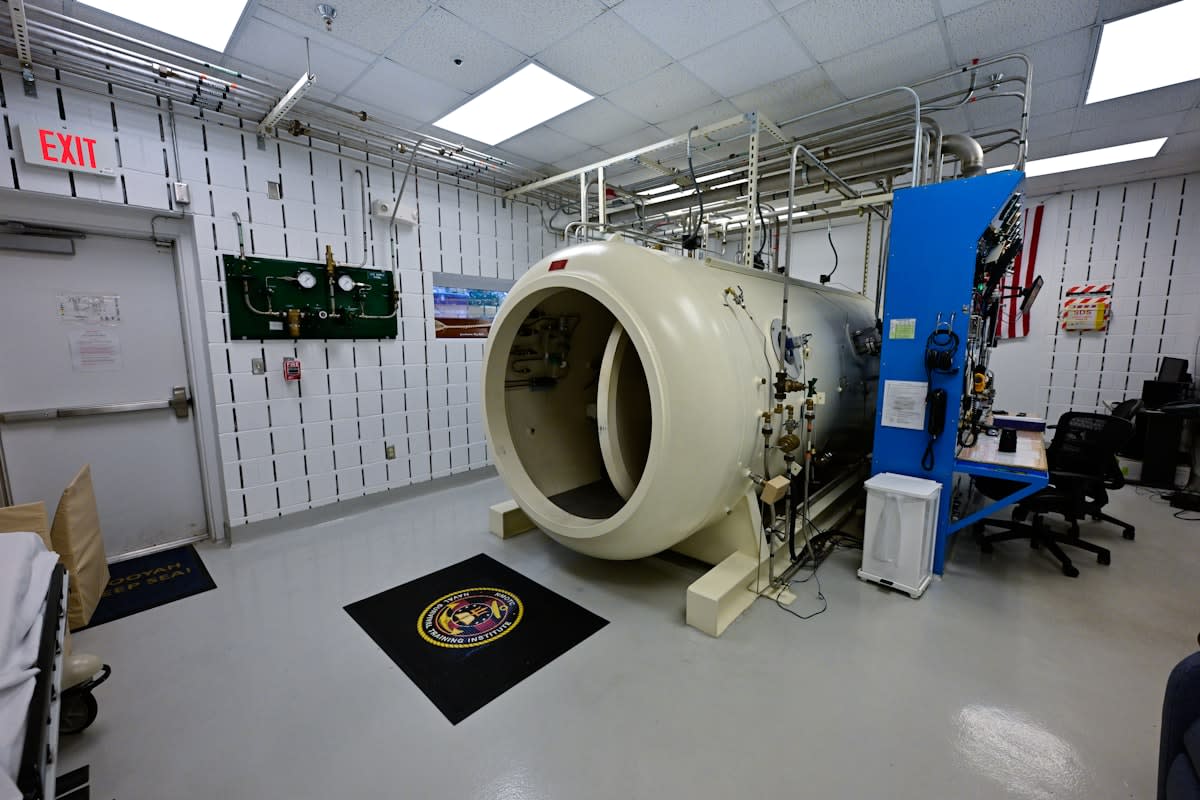
Hyperbaric Oxygen Therapy (HBOT) is not simply breathing oxygen; it is the administration of medical-grade oxygen within a pressurized chamber that exceeds normal atmospheric pressure (Source: MDPI, 2026). The magic happens in the plasma. Under normal conditions, oxygen is carried primarily by hemoglobin. However, when you increase the pressure, you force oxygen to dissolve directly into the blood plasma. This allows oxygen to reach tissues that are otherwise hypoxic or restricted by swelling, bypassing the limitations of hemoglobin-bound transport (Source: MDPI, 2026).
"HBOT may enhance cognitive function, offer neuroprotection, and reduce oxidative stress in conditions like Alzheimer's disease and traumatic brain injuries."— Mike The Situation, Health Advocate
Does this mean every chamber is the same? Absolutely not. There is a critical distinction between the general definition of HBOT and a specific clinical protocol. A protocol defines the exact pressure, oxygen concentration, and exposure duration tailored to the individual's condition (Source: MDPI, 2026). For those targeting oncological or radiation-induced tissue toxicity, pressures of 2.0 to 2.5 ATA (Atmospheres Absolute) are frequently employed (Source: MDPI, 2026). If you are using a soft-shell chamber at 1.3 ATA, you are not executing a clinical protocol; you are essentially taking a nap in a pressurized tent.
Prerequisites for Cognitive Recovery
Before stepping into a chamber, you must ensure the infrastructure supports a clinical outcome. You cannot improvise with oxygen delivery. The goal is to shift the brain from a state of survival to a state of repair, which requires specific environmental controls.
- Medical-grade oxygen source: Industrial oxygen is insufficient and potentially contaminated.
- Hard-shell pressurized chamber: Necessary to achieve the 2.0-2.5 ATA range required for deep tissue penetration (Source: MDPI, 2026).
- Baseline Cognitive Assessment: Documentation of 'brain fog' symptoms, word-finding difficulties, and memory gaps (Source: Washington Post, 2026).
- Medical Clearance: Screening for contraindications, particularly regarding lung health and ear drum integrity.
Once these prerequisites are met, the focus shifts to the implementation. The transition from a state of cognitive impairment to recovery is rarely linear, but it is measurable.
The Implementation Protocol: Step-by-Step
- Compression Phase: Slowly increase the pressure to the target ATA. This prevents barotrauma and allows the body to acclimate to the increased atmospheric load.
- Oxygen Saturation: Once at peak pressure (typically 2.0-2.5 ATA for clinical applications), breathe 100% medical-grade oxygen to saturate the plasma (Source: MDPI, 2026).
- Maintenance Period: Hold the pressure for the prescribed duration. This is where neuroprotection and the reduction of oxidative stress occur (Source: Facebook/Mike The Situation, 2026).
- Decompression Phase: Gradually return to normal atmospheric pressure to avoid the formation of nitrogen bubbles in the bloodstream.
- Post-Session Integration: Combine the physical recovery with deliberate distraction and mental rest to manage the stress of recovery (Source: Steelers Wire, 2026).
Take the case of NFL quarterback Will Howard. While navigating a strict concussion protocol, Howard utilized hyperbaric chamber sessions as part of a broader recovery strategy that included family support and deliberate distraction to manage the high-stakes stress of roster deadlines (Source: Steelers Wire, 2026). This illustrates a key point: the chamber provides the physiological foundation, but the recovery environment provides the psychological stability.
Clinical Applications and Risk Mitigation
We must acknowledge that cognitive decline is often multifactorial. The World Health Organization (WHO) recently updated its guidelines to reflect that conditions affecting heart and blood vessels directly impact brain health and increase dementia risk (Source: AOL, 2026). Furthermore, sleep apnea can create brain changes that mirror Alzheimer's disease hallmarks (Source: AOL, 2026). HBOT acts as a force multiplier here; by increasing oxygen delivery beyond what hemoglobin can provide, it addresses the vascular insufficiency that often accompanies these risk factors (Source: MDPI, 2026).
| Approach | Mechanism | Target Outcome | Evidence Level |
|---|---|---|---|
| Cognitive Exercises | Synaptic stimulation | Mental sharpness | Anecdotal/Low (Source: Washington Post, 2026) |
| HBOT Protocol | Plasma-dissolved oxygen | Neuroprotection/Tissue Repair | Clinical/High (Source: MDPI, 2026) |
From a practitioner's perspective, the real friction in this field isn't whether oxygen helps—it's the debate over the 'minimum effective dose.' In the clinic, we argue constantly about whether 2.0 ATA is sufficient for a traumatic brain injury (TBI) or if we need to push to 2.5 ATA to see a meaningful shift in neuroplasticity. There is also a tension between those who view HBOT as a standalone cure and those of us who see it as a window of opportunity. The chamber doesn't 'fix' the brain; it creates a physiological state where the brain is finally capable of fixing itself.

Common Pitfalls in Cognitive HBOT
The most dangerous pitfall is the 'wellness trap.' Many people purchase home chambers that cannot reach the pressures required for true clinical neuroprotection. If you are treating a concussion or early-stage dementia, 1.3 ATA is virtually useless for plasma-dissolved oxygenation. You need the 2.0-2.5 ATA range typically found in clinical settings (Source: MDPI, 2026). Another mistake is ignoring the 'head trauma' variable. The WHO has been criticized for being late to emphasize head trauma as a primary dementia risk factor (Source: AOL, 2026), yet many practitioners still fail to prioritize HBOT immediately following a TBI event.
Finally, avoid the mistake of treating the symptoms without addressing the source. While HBOT can reduce the brain fog described by patients in the Washington Post, it must be paired with a reduction in other risk factors, such as treating sleep apnea or cardiovascular issues, to ensure the newly oxygenated tissues aren't immediately compromised again (Source: AOL, 2026).
Fact-Check & Accuracy Note
The claims regarding plasma-dissolved oxygen and the 2.0-2.5 ATA pressure range are sourced from MDPI (2026). Data on dementia risk factors and sleep apnea are attributed to the World Health Organization via AOL (2026). The application of HBOT for concussion recovery is based on the case of Will Howard reported by Steelers Wire (2026). Ongoing debate exists regarding the precise ATA threshold for different types of cognitive impairment.