MapQuest is now the No. 1 U.S. app after bucking Trump’s ‘Lake America’ renaming
Source Entity
Sarah Perez
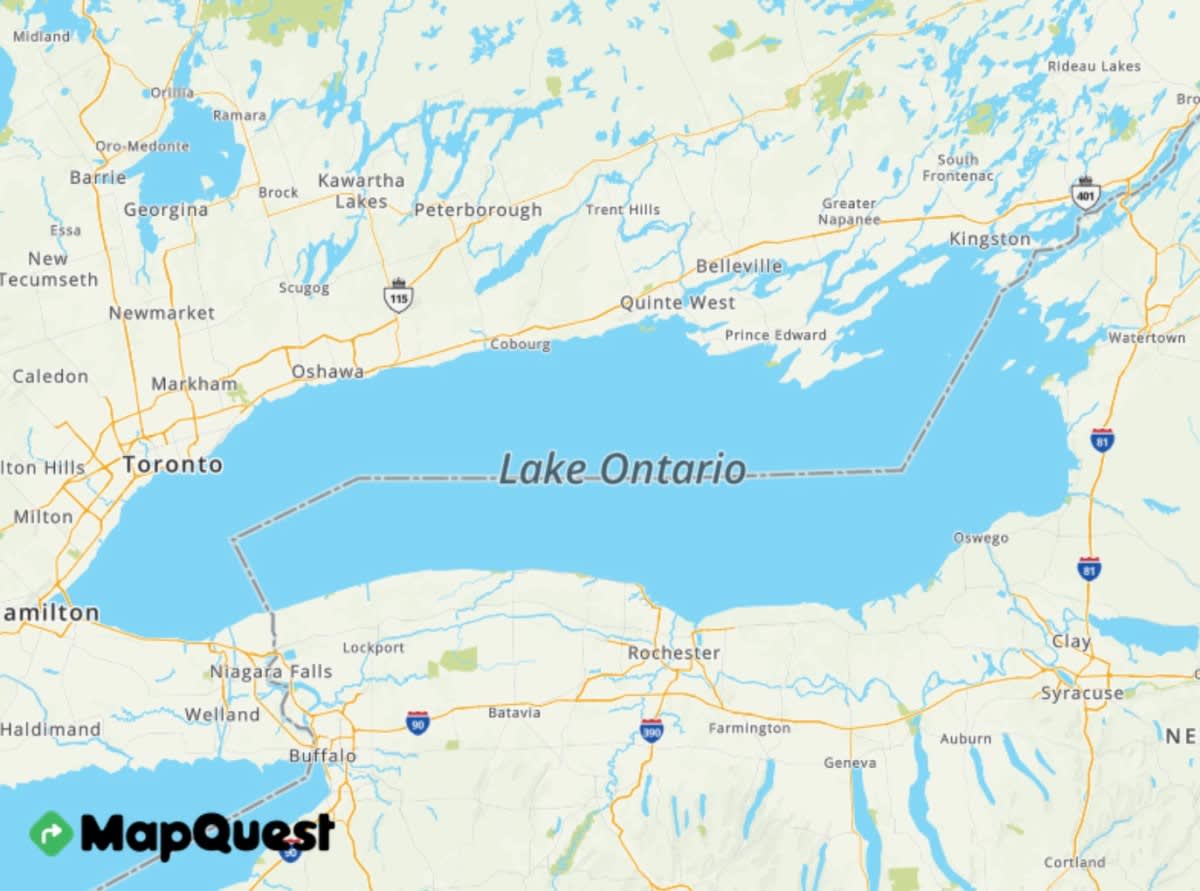
MapQuest has surged to the top of the U.S. App Store after refusing to comply with President Trump's executive order to rename Lake Ontario to 'Lake America.' This move contrasts sharply with Apple and Google Maps, which adopted the controversial name change amid ongoing trade tensions with Canada.
The Unexpected Resurgence of a Digital Pioneer
In a stunning reversal of market trends, MapQuest, an application long considered a relic of the early internet era, has vaulted to the No. 1 position on the U.S. Apple App Store. This surge, which saw the app climb from the eighth position to the top spot in just twenty-four hours, is not the result of a revolutionary feature update or a rebranding campaign. Instead, it is a direct consequence of a high-profile act of corporate defiance against a controversial executive order issued by President Donald Trump.
The 'Lake America' Controversy
The catalyst for this digital protest is an executive order issued on August 27, which mandated that the U.S. geographic naming service rename Lake Ontario to 'Lake America.' This directive, emerging amidst an escalating trade dispute between the United States and Canada, has sparked significant public debate regarding the politicization of geographic data. While major industry players like Apple Maps and Google Maps ultimately capitulated to the administration's request, MapQuest publicly declared on social media that it would maintain the traditional name, positioning itself as a bastion of cartographic integrity.
Consumer Behavior as Political Expression
The rapid rise in MapQuest’s download metrics reflects a broader trend of consumer activism, where users leverage digital tools to signal their political alignment. By downloading the app, users are explicitly demonstrating their support for MapQuest’s refusal to adopt the 'Lake America' nomenclature. With over half of the app's 2026 U.S. downloads occurring in just six days, the data suggests that users are intentionally abandoning platforms that they perceive as having bowed to political pressure, favoring an 'OG' alternative that aligns with their values.
The Implications of Politicized Infrastructure
The decision by Apple and Google to rename the lake for U.S. users—while leaving it unchanged for international ones—highlights the complex challenge of operating global digital infrastructure in a fractured political climate. By customizing map data based on geographic location, these tech giants have effectively created a bifurcated reality, where the name of a natural landmark depends entirely on the user's IP address. This maneuver, intended to satisfy domestic political mandates, has inadvertently created a vacuum for competitors like MapQuest to capture market share by offering a 'neutral' or defiant alternative.
Future Trends in Digital Mapping
As this situation unfolds, the tech industry faces a critical question: will this shift in user loyalty be temporary, or does it signal a long-term erosion of trust in major mapping platforms? MapQuest’s ability to capitalize on this sentiment provides a case study in how legacy brands can find new relevance by positioning themselves against the perceived overreach of dominant tech conglomerates. Moving forward, providers of geographic information systems will likely face increased scrutiny regarding their susceptibility to executive influence, potentially forcing a re-evaluation of how digital borders and names are determined in an increasingly polarized world.
Multiple Citing Sources