Is Russia's rival to Starlink failing? Here's what we know.
Source Entity
Stephen Clark
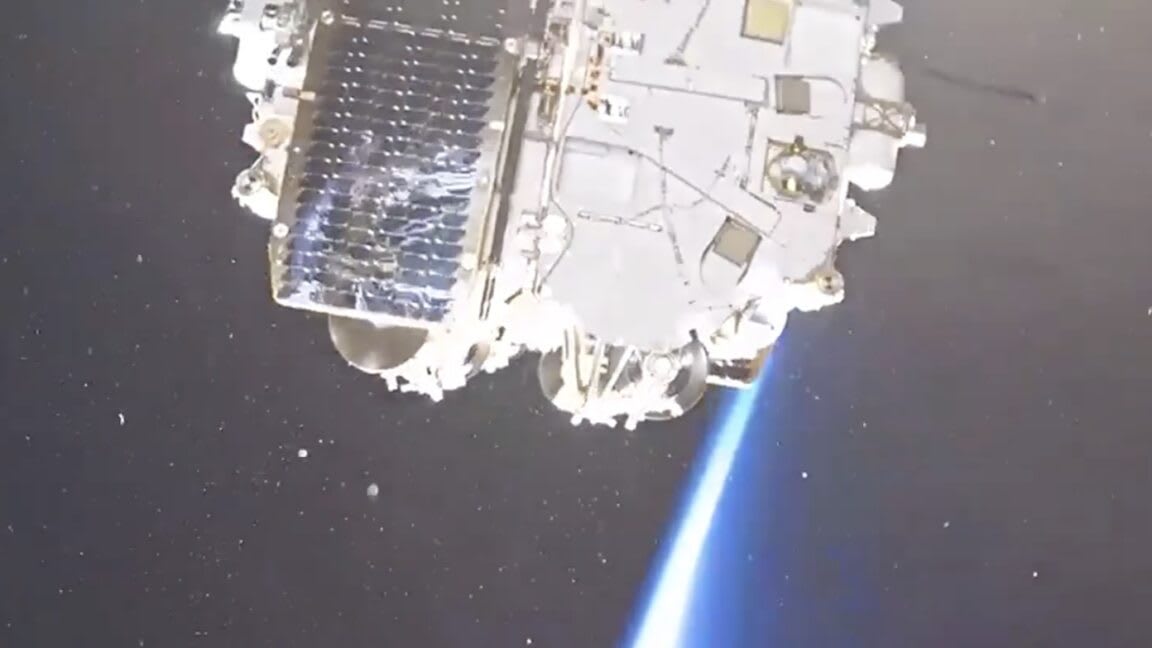
Russia's Rassvet satellite project is facing significant operational hurdles, with early units failing to reach their target orbits. The program, intended to mirror Starlink's connectivity capabilities, currently struggles with technical setbacks that threaten its ambitious deployment timeline.
The Challenges Facing Russia's Rassvet Satellite Program
Russia’s pursuit of a sovereign satellite constellation, branded as the Rassvet program, represents a strategic attempt to mirror the capabilities of SpaceX’s Starlink. Operated by Bureau 1440, the project aims to provide robust connectivity for both military and civilian sectors. However, recent developments indicate that the program is encountering substantial technical difficulties that mirror the sluggish nature of current geopolitical engagements in eastern Ukraine.
Early Operational Failures
Data suggests that the initial phase of deployment has been plagued by performance issues. Out of the first 32 satellites launched across two missions in March and July, at least three have suffered outright failures. Perhaps more concerning is the indication that a larger portion of this initial cohort may be struggling to maintain functionality, casting doubt on the reliability of the current hardware design.
Orbital Insertion Obstacles
Perhaps the most significant technical hurdle identified is the inability of the launched satellites to reach their intended operational altitude. Designed to function in a low-Earth orbit approximately 500 miles (800 kilometers) above the surface, none of the 32 units have successfully achieved this target. The failure of the launch vehicles to place these satellites into their designated orbits represents a critical bottleneck that must be resolved before the constellation can provide any meaningful service.
Scaling Ambitions vs. Reality
Bureau 1440 has set highly ambitious goals, aiming to deploy 300 satellites by the end of next year and reaching a total of 924 satellites by 2035. Given that the first 32 units represent only a fraction of the immediate goal, the current failure rate suggests that the timeline is increasingly unrealistic. The engineering challenges involved in maintaining such a constellation are immense, and the inability to establish the first operational layer is a major setback for Russian space infrastructure.
Broader Strategic Implications
This initiative is not merely a commercial venture but a critical component of Russia’s desire for independent communication infrastructure. Starlink has demonstrated how essential satellite internet is in modern warfare, providing resilient connectivity in contested environments. By failing to replicate this, Russia remains reliant on alternative, potentially less secure, or more vulnerable communication methods, which could have long-term implications for their operational efficiency in both military and civilian domains.
Future Outlook
Moving forward, Bureau 1440 must address whether these failures stem from launch vehicle deficiencies or inherent flaws in the satellite bus design. Unless the technical team can rectify the orbital insertion issues and stabilize the existing hardware, the Rassvet program will likely remain a project in name only. The next series of launches will be pivotal in determining whether this project can eventually challenge the dominance of established satellite internet providers or if it will be sidelined by persistent technical instability.