'All about acceleration': After Nvidia earnings, the tech trade is getting more segmented
Source Entity
Yahoo Finance
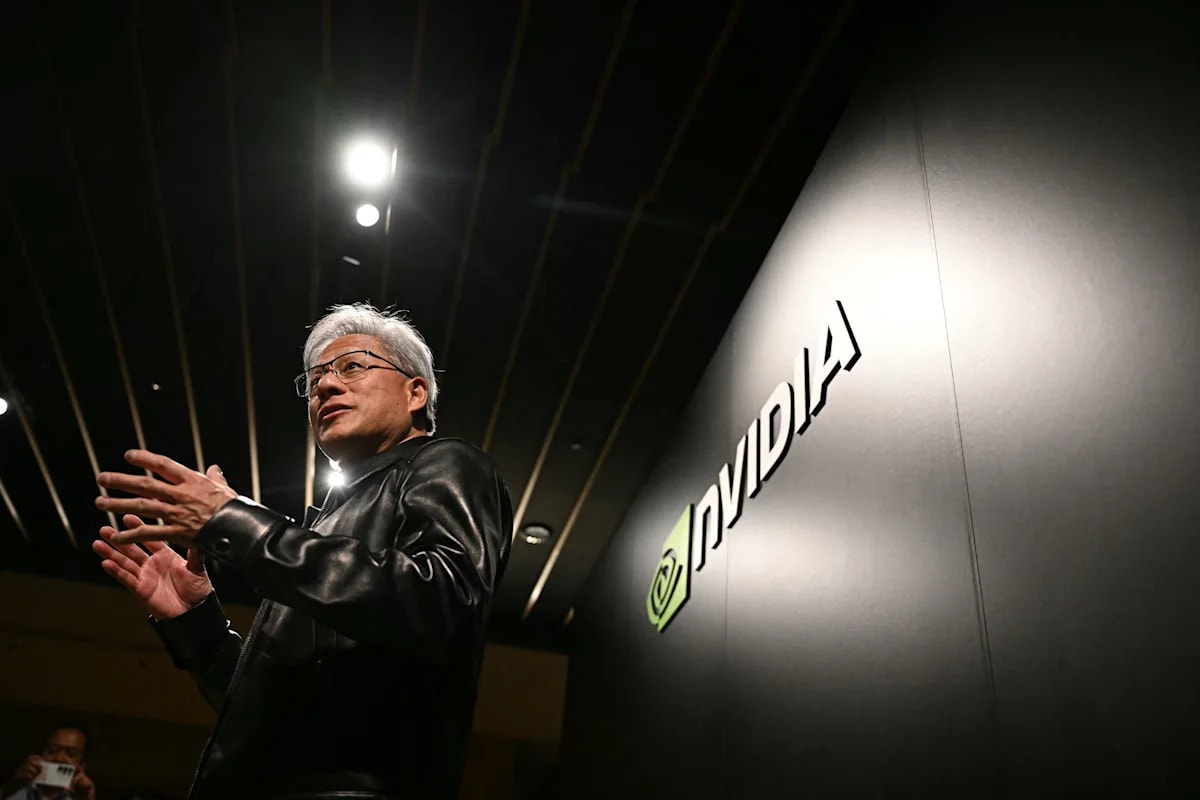
Nvidia's strong earnings highlight robust AI demand, yet market reactions for other tech firms remain inconsistent. Investors are shifting from broad sector bets to a more nuanced strategy, favoring resilience over redundancy in software.
The Shifting Landscape of AI Investment
Nvidia (NVDA) has once again solidified its position as the bellwether of the artificial intelligence revolution, delivering a banner quarter that silenced skeptics questioning the sustainability of AI-driven demand. This performance serves as a powerful indicator that the foundational infrastructure of the AI ecosystem remains in a state of hyper-growth. However, the broader market reaction reveals a complex, bifurcated reality where past correlations between chipmakers and AI sentiment are beginning to decouple.
The Divergence of Semiconductor Fortunes
The market’s reaction to Marvell Technology (MRVL) offers a stark counter-narrative to Nvidia’s success. Despite reporting strong earnings, Marvell’s shares experienced a significant plunge, illustrating that investors are no longer providing a blanket premium to all companies associated with the chip design space. This selective behavior suggests that Wall Street is moving past the 'AI hype' phase, where all related stocks rose in unison, and entering a period of rigorous fundamental evaluation where specific company guidance and market positioning matter more than sector affiliation.
Software Stocks: From Redundancy to Resilience
Beyond hardware, the software sector has undergone a dramatic psychological shift. After enduring a period of intense scrutiny throughout 2026, where investors feared that AI automation would render legacy software redundant, the narrative has pivoted toward resilience. This shift indicates that enterprise software providers are successfully demonstrating their value proposition in an AI-integrated world, proving that their tools remain essential rather than replaceable.
The Rise of Nuanced Analysis
As Steve Koenig of Macquarie noted, the current earnings season has forced a more nuanced approach to evaluating AI disruption. Analysts and institutional investors are moving away from broad generalizations about AI’s impact on software. Instead, they are conducting deeper assessments of how specific companies integrate AI to bolster productivity or create new revenue streams, rather than viewing AI as a universal existential threat to existing business models.
Future Trends in Tech Trading
Looking ahead, the 'tech trade' is becoming increasingly segmented. We can expect this trend of differentiation to continue, where high-performing companies with clear, defensible moats will thrive, while those failing to articulate a concrete AI strategy will face volatility regardless of their broader sector performance. The era of 'buying the sector' is likely over, replaced by a sophisticated stock-picking environment where individual company execution is the primary driver of capital allocation.
Conclusion
In summary, the recent market activity underscores a maturation of the AI trade. While the demand for high-end computing power remains unabated, as evidenced by Nvidia, investors are exercising greater caution and discrimination elsewhere. The transition from blind optimism to granular analysis reflects a healthy, albeit more challenging, environment for both tech companies and those seeking to invest in the next phase of the digital evolution.