Photographer shocked to find YouTube video falsely claiming he is Mumbai mayor’s husband
Source Entity
The Indian Express
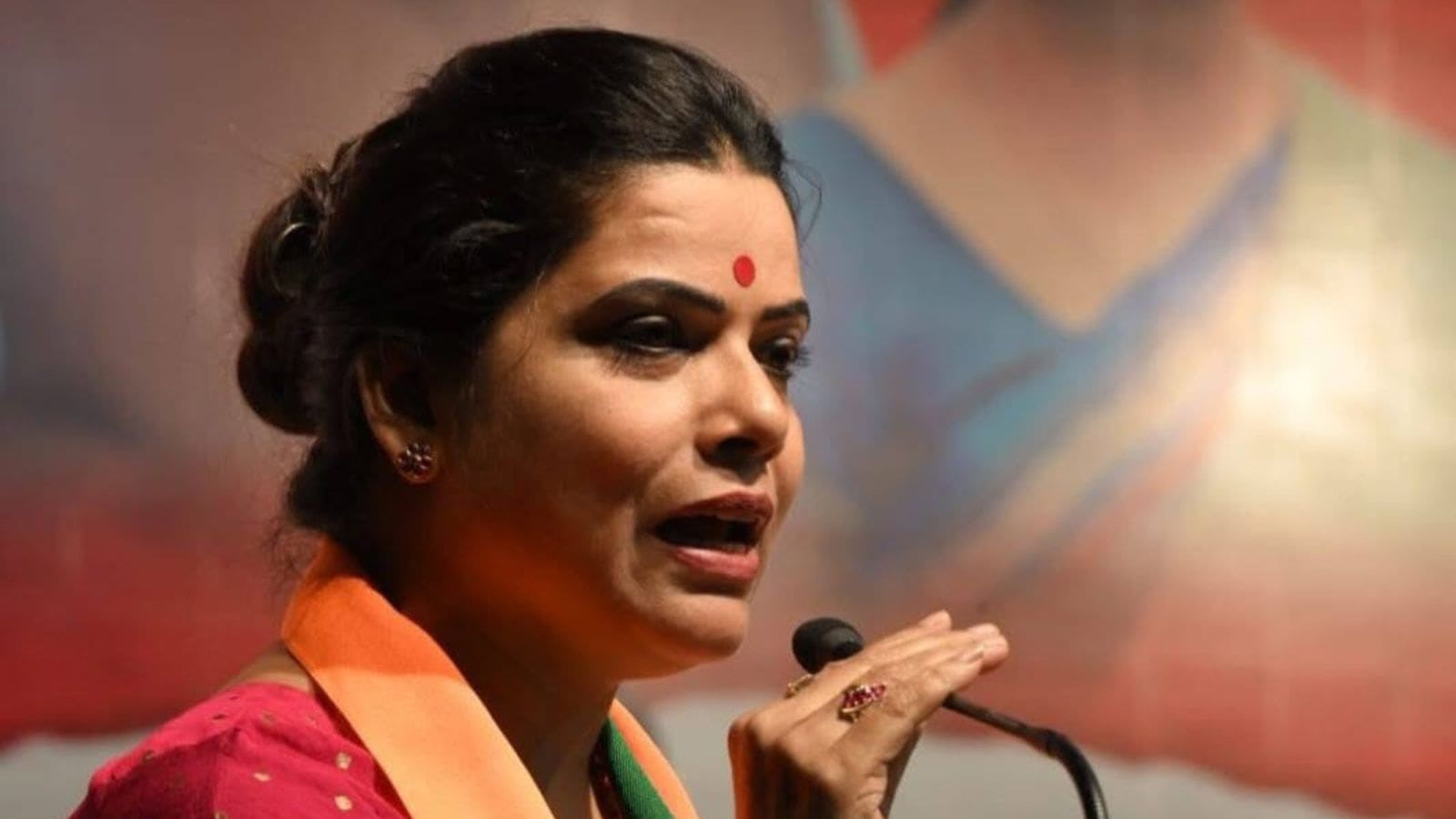
Mumbai police have registered a case against an unidentified YouTuber for falsely identifying a local photographer as the husband of Mayor Ritu Tawde. The victim, Rajesh Vasudev Tawde, discovered the defamatory video after it was shared with him by a neighbor.
Defamation in the Digital Age: A Case Study
The recent incident involving the Mumbai police and an unidentified YouTube content creator highlights the growing menace of digital misinformation and targeted defamation. Rajesh Vasudev Tawde, a 55-year-old photographer from Lalbaug, found himself the victim of a malicious campaign when a YouTube channel titled 'gk-shorts-videos' published content falsely identifying him as the husband of Mayor Ritu Tawde. This event underscores the ease with which bad actors can weaponize social media platforms to disseminate falsehoods that can irreparably damage an individual’s reputation.
The Mechanics of Online Harassment
The victim, who operates a photography studio and classes in Kankavli, became aware of the defamatory video on August 26 when a neighbor forwarded him a link via WhatsApp. The video, titled 'Rajesh Tawde ke pati Ritu Tawde ka jeevan parichay,' utilized the power of YouTube Shorts to quickly circulate a fabricated narrative. By leveraging clickbait titles and potentially misleading imagery, the perpetrators sought to capitalize on the public curiosity surrounding political figures, effectively dragging an innocent private citizen into a manufactured controversy.
Legal Recourse and Police Intervention
Following the discovery, Rajesh Vasudev Tawde approached the Kalachowki police to file a formal complaint. The police response, which involved booking an unidentified person associated with the 'gk-shorts-videos' channel, reflects a necessary legal intervention against the misuse of digital platforms. This case serves as a critical example of how traditional defamation laws must adapt to modern digital environments where content can go viral globally in a matter of hours, often before the victim is even aware of the harm being done.
The Broader Implications for Digital Accountability
This incident is not an isolated event but rather a symptom of a broader trend where YouTube channels prioritize engagement metrics—such as views and shares—over factual integrity. The anonymity provided by these platforms often emboldens creators to bypass journalistic ethics and verification processes. As political discourse increasingly shifts to short-form video platforms, the potential for using misinformation to manipulate public perception or harass individuals for political or social capital remains a significant threat to digital safety.
Protecting Individual Privacy and Reputation
The psychological and professional impact on a victim of such false claims can be profound. For a photographer and educator like Rajesh Tawde, his reputation is his primary asset. The unauthorized association with a political figure in a defamatory context can lead to social stigma and professional distrust. As we look toward the future, there is an urgent need for more robust content moderation policies and stricter enforcement of cyber laws to ensure that creators are held accountable for the veracity of their content, particularly when it targets private individuals.