BJP brainstorming on Gen Z outreach concludes cohort is not ‘homogenous’
Source Entity
India Latest News: Top National Headlines Today & Breaking News | The Hindu
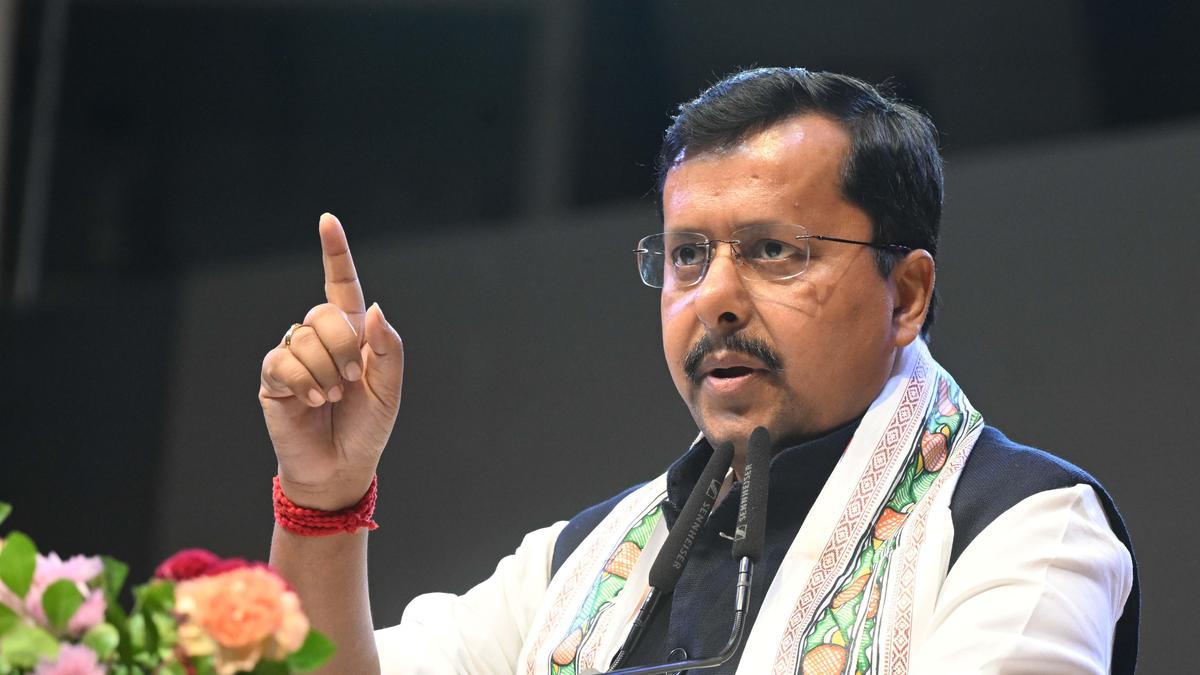
BJP President Nitin Nabin led a high-level meeting to refine the party's strategy for engaging Gen Z and younger demographics. The discussion emphasized moving away from broad generalizations, favoring localized, small-scale interactions over large-scale public events.
Strategic Realignment: The BJP’s New Youth Outreach Initiative
On August 29, 2026, BJP President Nitin Nabin convened a pivotal brainstorming session in New Delhi to reassess the party's approach to engaging the nation's youngest voters. The meeting, which brought together approximately 45 prominent young leaders and ministers, signifies a shift in how the party perceives and interacts with the Gen Z demographic. By focusing on nuanced communication, the BJP aims to move beyond superficial engagement and foster deeper, more meaningful connections with the youth.
Moving Beyond the 'Gen Z' Label
A core conclusion of the meeting was the recognition that the cohort traditionally labeled as 'Gen Z' is far from a homogenous group. Participants argued that grouping millions of individuals under a single, monolithic term ignores the vast socio-economic and cultural disparities present among young Indians. Consequently, party leaders suggested abandoning the rigid 'Gen Z' terminology in favor of more inclusive terms like 'youth' or specific age-bracket identifiers, which allow for more targeted and relatable messaging.
The Shift to Micro-Engagement
One of the most significant tactical changes discussed by the committee—which included senior figures such as Smriti Irani, Vinod Tawde, and O.P. Choudhary—is the transition from large-scale rallies to intimate, small-group gatherings. The consensus among the attendees was that meaningful political dialogue is better achieved in smaller, localized settings. This strategy is intended to foster an environment where young people feel heard rather than lectured to, facilitating a continuous and sustainable outreach process rather than periodic, event-based campaigns.
Leveraging Diverse Leadership Perspectives
The meeting featured a blend of experience and youthful energy, with attendance from key figures like Union Minister Mansukh Mandaviya, MPs Ravi Kishan, Anurag Thakur, Tejasvi Surya, and BJYM chief Hemang Joshi. This multi-generational approach ensures that the outreach plan benefits from the tactical experience of seasoned politicians while remaining grounded in the contemporary concerns voiced by younger party members. The inclusion of state-level ministers, such as Gujarat’s Harsh Sanghavi and Chhattisgarh’s O.P. Choudhary, highlights the party’s intent to implement these strategies across diverse regional landscapes.
Balancing New Voters with Established Bases
While the primary focus of the session was the youth, the discussion also touched upon the necessity of simultaneous outreach to older voters. This 'dual-track' approach suggests that the BJP is keen on maintaining its traditional support base while aggressively pursuing the next generation of the electorate. By integrating the perspectives of youth leaders with the party’s established institutional knowledge, the leadership is attempting to create a cohesive narrative that appeals to voters across the age spectrum.
Future Implications and Conclusion
Looking ahead, the success of this initiative will likely depend on the party's ability to execute these small-scale dialogues consistently across the country. By eschewing broad generalizations and focusing on decentralized, personal engagement, the BJP is attempting to modernize its political machinery to better reflect the realities of a fragmented and digital-native youth population. As this strategy takes shape, it will serve as a critical case study in how major political parties adapt their communication styles to remain relevant in an evolving democratic landscape.
Verification Required?