
Why does a bowl of steel-cut oats leave one person feeling energized while sending another into a glucose spiral? For decades, the medical establishment has relied on the Glycemic Index as a universal map for blood sugar management. We were told that certain foods are inherently healthy and others are dangerous, regardless of who is eating them. This systemic reliance on population averages has created a dangerous blind spot in metabolic health. It ignores the fundamental truth that your biology is not an average.
The friction begins with the definition of a healthy food. We often categorize whole grains or certain fruits as safe, yet the postprandial glucose response (PPGR)—the spike that occurs after eating—varies wildly between individuals. This response is not just a fleeting number on a screen; it is a well-established risk factor for the development of cardiovascular diseases and other diabetic complications (Source: ScienceDirect, 2026). When we ignore these individual variances, we aren't practicing medicine; we are practicing guesswork.
The Shift from Static Lists to Real-Time Data
The industry is currently undergoing a quiet but profound shift. We are moving away from the era of the food diary and toward the era of the Continuous Glucose Monitor (CGM). Rather than guessing how a meal might affect the body, healthcare professionals are now integrating CGM data to make nutrition conversations more personalized (Source: American Diabetes Association - DiabetesPro, 2026). This allows for a transition from reviewing retrospective glucose data to applying real-time insights to individualized care decisions.
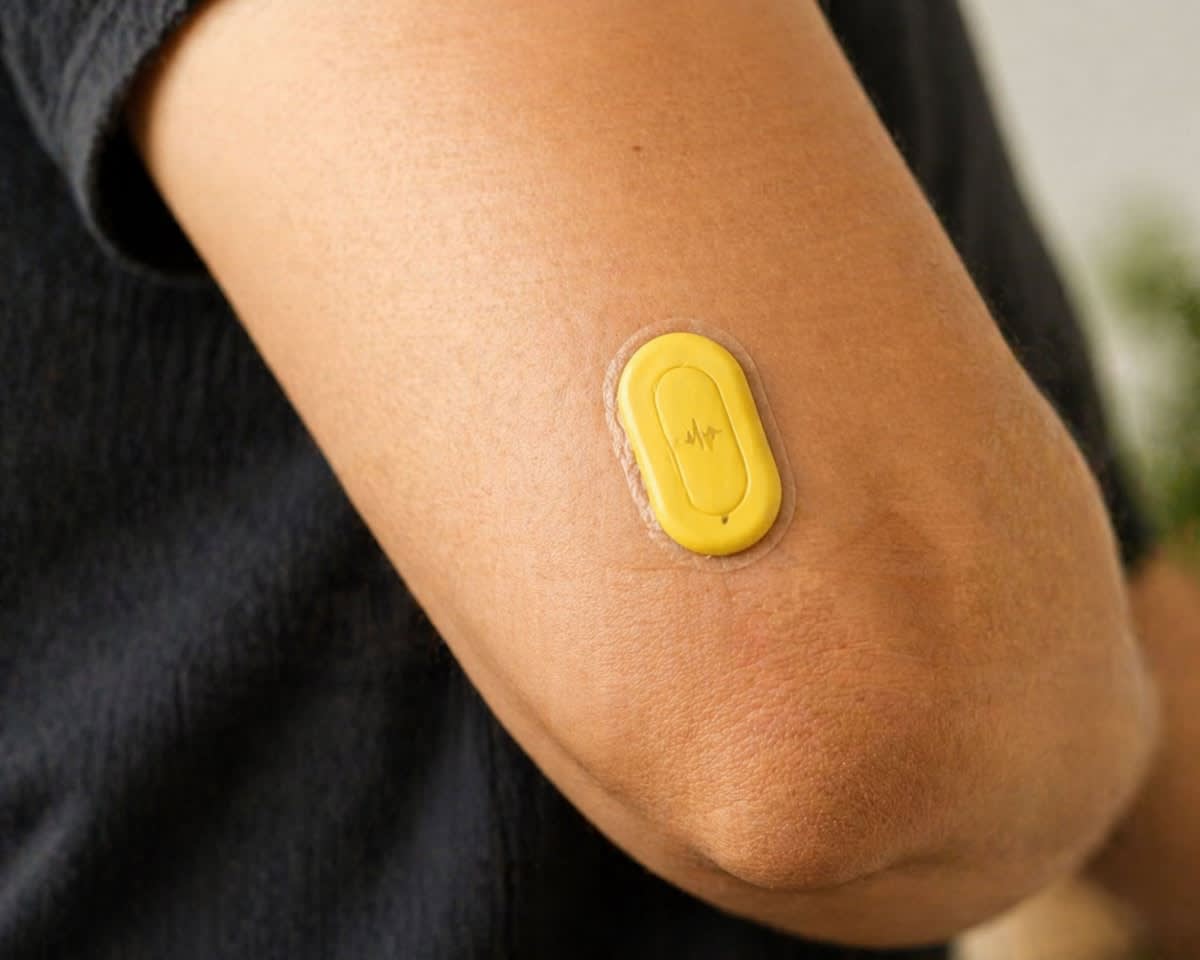
Does this mean the Glycemic Index is useless? Not necessarily, but it is incomplete. The real power lies in pairing strategies that blunt post-meal spikes, such as combining slow-digesting carbohydrates with high soluble fiber (Source: Akhmetov Foundation, 2026). The goal is no longer to avoid all carbs, but to engineer the meal to fit the specific metabolic capacity of the individual. This is a shift from avoidance to adaptation.
"Integrating Continuous Glucose Monitoring Into Personalized Nutrition for Diabetes Care helps healthcare professionals move beyond reviewing glucose data to applying CGM insights to individualized nutrition counseling and care decisions."— American Diabetes Association - DiabetesPro
This transition reveals the messy reality of clinical practice. In the trenches, practitioners often clash over whether to trust a patient's subjective log or the objective, sometimes chaotic, stream of a CGM. There is a palpable tension between the desire for a standardized diabetes diet and the evidence that two people can eat the exact same apple and produce entirely different glucose curves. The struggle isn't about the data itself, but about the willingness to abandon the comfort of a one-size-fits-all protocol.
The global distribution of these tools also highlights a systemic disparity. For instance, while digital trackers like mySugr offer precise bolus calculators for insulin dose recommendations, these features are limited to specific countries and currently exclude the United States (Source: Google Play/mySugr, 2026). This fragmentation means that the quality of metabolic care often depends more on your geography than your clinical need.
The Long Shadow of Early Sugar Exposure
If we want to understand why some people spike more than others, we must look beyond their current plate. The seeds of metabolic dysfunction may be sown long before a person ever chooses their own meal. Research indicates that a mother's sugar intake can trigger insulin resistance and inflammation in her unborn child (Source: South China Morning Post, 2026). This suggests that the biological blueprint for glucose response is partially written in utero.
The implications extend far beyond blood sugar. A study in Hong Kong found links between lower sugar intake from the womb up to age two and a reduced risk of dementia in older age (Source: South China Morning Post, 2026). This creates a terrifyingly long trajectory where early sugar exposure harms the brain before a child takes their first breath. It suggests that our current obsession with adult diet is treating the symptom while ignoring the systemic origin.

Consider the contrast between a supposed healthy snack and a traditional indulgence. While we fear the pecan pie—rich with nuts, caramel, and buttery crust—we often ignore the spikes caused by 'healthy' smoothies or processed granola (Source: WRMJ, 2026). The danger is not the food itself, but the lack of awareness regarding how that specific food interacts with a specific body's insulin sensitivity.
This realization opens a window of opportunity. Instead of adhering to a rigid list of forbidden foods, individuals can use data to discover their own safe zones. By focusing on slow-digesting carbohydrates and soluble fiber, the goal shifts from restriction to resilience (Source: Akhmetov Foundation, 2026). We are moving toward a future where nutrition is a personalized experiment rather than a mandated regime.
Systemic Comparison: Generic vs. Personalized Nutrition
| Metric | Generic Nutrition Approach | Personalized CGM Approach |
|---|---|---|
| Dietary Guidance | Standardized Low-GI Lists | Individualized Response Mapping |
| Monitoring Method | Periodic A1c/Finger-pricks | Real-time Glucose Streams |
| Primary Focus | Population Averages | Personal Metabolic Variance |
| Goal | Avoidance of High-GI Foods | Blunting Spikes via Pairing |
| Risk Assessment | General Population Risk | Individual PPGR Analysis |
The data is clear: the old way of managing blood sugar is an exercise in approximation. When we treat every human as having the same metabolic response, we fail a significant portion of the population. The emergence of tools that track diet, meds, and carb intake in a personalized dashboard is the first step toward a more precise form of medicine (Source: Google Play/mySugr, 2026). The question is no longer whether these tools work, but how quickly we can integrate them into global standard care.
Ultimately, the ability to tame diabetes and metabolic syndrome requires a departure from the dogma of healthy foods. It requires a commitment to observing one's own biology in real-time. By combining the science of soluble fiber with the precision of CGM data, we can stop guessing and start knowing. The future of health is not found in a universal food pyramid, but in the unique data stream of the individual.
Fact-Check & Accuracy Note
This article is grounded in data from the American Diabetes Association, ScienceDirect, and the South China Morning Post. Key claims regarding the cardiovascular risks of postprandial glucose response and the links between early sugar exposure and dementia are sourced from 2026 publications. Note that the efficacy of specific pairing strategies remains a subject of ongoing clinical debate among nutritionists.
Editorial Perspective
Editorial Note: This analysis intentionally challenges the traditional 'healthy food' narrative to highlight the systemic shift toward personalized medicine. The author argues that population-based guidelines are an outdated model for metabolic health.