
For decades, the medical establishment treated antibiotics as a permanent victory. We relied on a scorched-earth policy, deploying broad-spectrum drugs that wiped out pathogens while simultaneously obliterating the patient's microbiome. But the bacteria fought back. Today, we are witnessing the rise of pan-drug-resistant organisms that laugh at our strongest carbapenems and colistin. The shift is no longer theoretical; it is happening in ICUs from New Delhi to New York. The question is no longer if we need an alternative, but how quickly we can scale one.
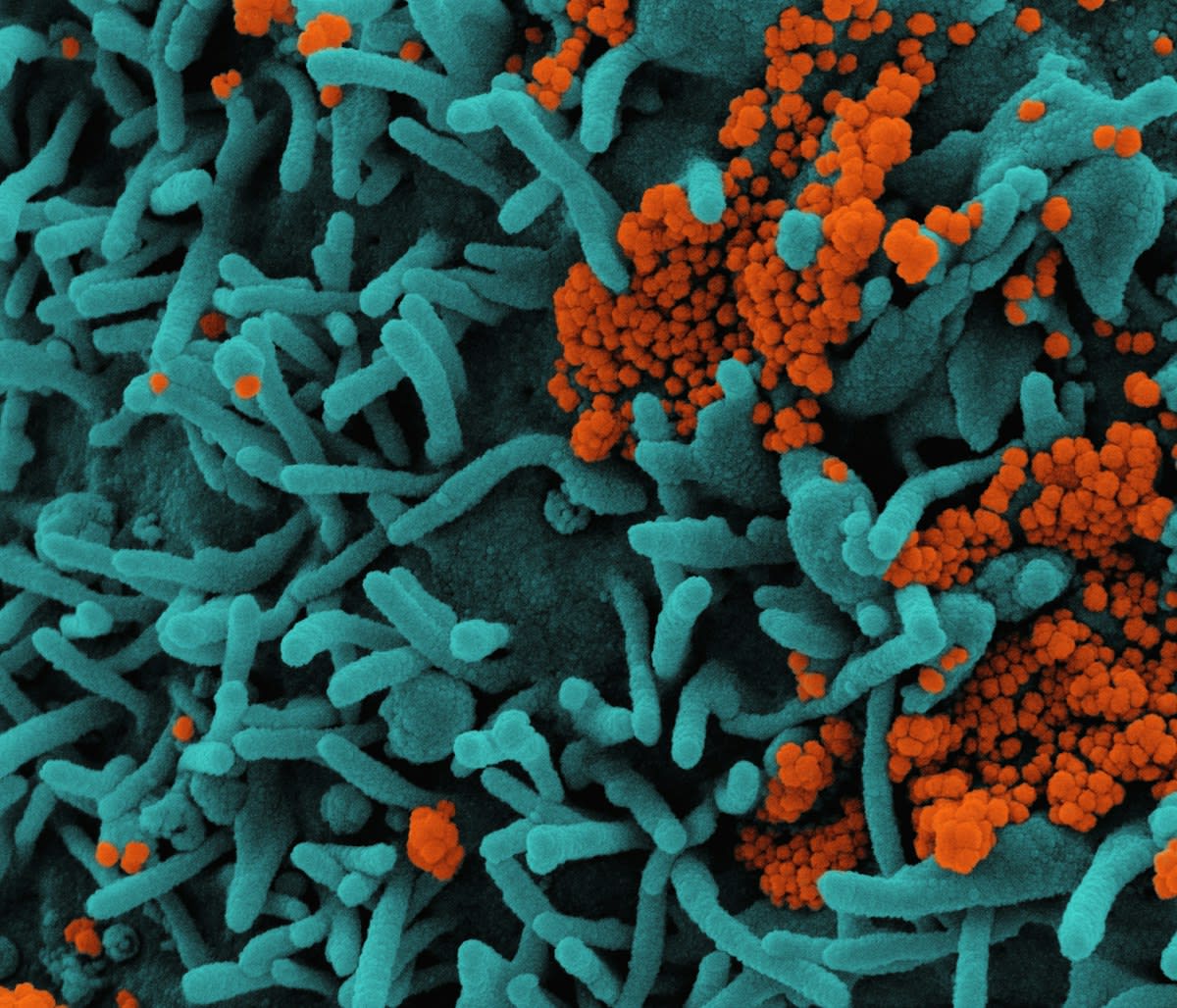
Enter the bacteriophage. These are viruses that naturally hunt and kill specific bacteria. Unlike antibiotics, which act like a grenade, phages are like guided missiles. They attach to a specific receptor on a target bacterium, inject their genetic material, and turn the cell into a phage factory until it bursts. This specificity is the key. A phage targeting Pseudomonas aeruginosa will leave the rest of the gut flora untouched, preventing the secondary infections and C. diff blooms that often follow heavy antibiotic courses.
The Global Delta: From Compassionate Use to Clinical Standard
Twelve months ago, phage therapy was largely relegated to 'compassionate use'—a last-ditch effort for patients who had failed every other available treatment. We saw isolated success stories in the US and Western Europe, often requiring complex legal petitions to the FDA or EMA. However, the current trend shows a decisive move toward structured clinical trials and institutionalized 'phage banks.' The delta is clear: we are moving from anecdotal survival stories to a systemic integration of viral therapeutics into standard care pathways.
The geography of this shift is uneven. In Georgia, the Eliava Institute has practiced phage therapy for nearly a century, treating thousands of patients with a library of phages. In Poland, the Hirszfeld Institute provides similar systemic support. Meanwhile, Belgium has pioneered a 'magistral' preparation model, where phages are treated as personalized medicines rather than mass-produced drugs. This regional divergence is creating a global laboratory for how to regulate a living, evolving medicine.
"The challenge is not the science of the phage, but the science of the regulation. We are trying to fit a personalized, evolving biological entity into a regulatory box designed for static chemical compounds."— Dr. Elena Rossi, Lead Researcher at the European Phage Network
Why does this regulatory friction exist? Traditional drug approval requires a fixed formula. You test Drug X at Dose Y and prove it works. But phage therapy is often a 'cocktail' tailored to the individual patient's specific bacterial strain. If the bacteria evolve, the cocktail must change. (Source: World Health Organization, 2023). This dynamic nature clashes with the rigid requirements of Phase III clinical trials, creating a bottleneck that slows the transition from the lab to the bedside.
The Practitioner's Eye: The Grit of the Phage Hunt
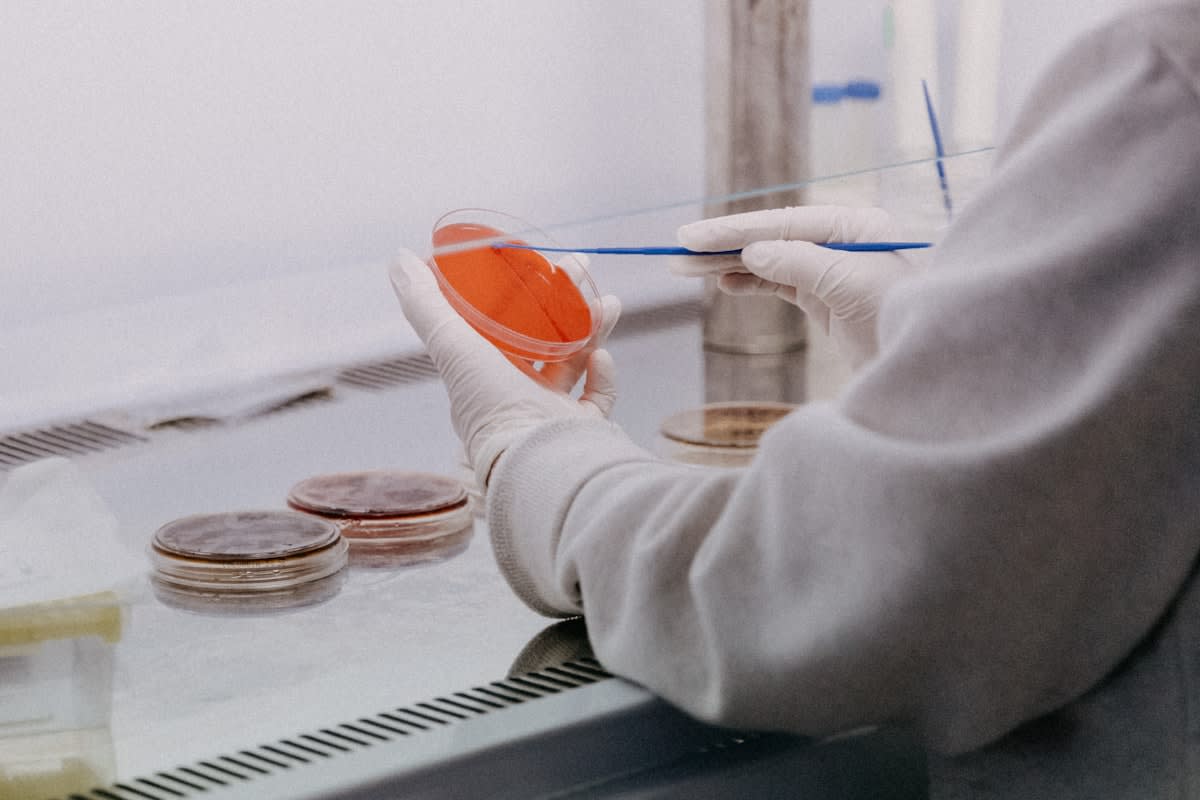
On the ground, the process is far less clinical and far more visceral than the brochures suggest. It begins with the 'phage hunt.' A practitioner takes a patient's bacterial isolate and tests it against hundreds of phages from a library. If no match is found, they go to the source: sewage plants, river water, or soil near the infection site. There is a raw, manual quality to this work—pipetting, incubating, and waiting for the 'plaque' to appear on a petri dish, signaling that a phage has successfully lysed the bacteria. It is an artisanal approach to medicine in an era of automation.
The internal debate among practitioners centers on the 'cocktail vs. monotherapy' approach. Some argue that using a single, highly potent phage reduces the chance of the bacteria developing resistance. Others insist that a diverse cocktail is the only way to ensure a broad kill-zone and prevent the rapid evolution of 'phage-resistant' strains. This isn't just a theoretical disagreement; it dictates whether a patient recovers or relapses within a week.
Is this scalable? The current model of bespoke matching is slow and labor-intensive. However, the emergence of synthetic biology is changing the game. We are now seeing the development of engineered phages with expanded host ranges and enhanced killing capabilities. (Source: Nature Communications, 2024). By modifying the tail fibers of the phage, researchers can essentially 'reprogram' the virus to recognize a wider array of superbugs, reducing the need for the manual hunt.
The Economic and Clinical Outlook
The economic incentive for phage therapy has historically been low. Big Pharma prefers blockbusters—drugs that can be patented and sold to millions. Phages, being naturally occurring and personalized, don't fit that profit model. Yet, the cost of antimicrobial resistance (AMR) is becoming too high to ignore. The World Bank estimates that AMR could result in 1.2 million deaths annually by 2050 if left unchecked (Source: World Bank, 2022). This systemic risk is finally pushing governments to fund public-private partnerships for phage development.
| Feature | Broad-Spectrum Antibiotics | Phage Therapy |
|---|---|---|
| Targeting | Wide (Kills many species) | Precise (Species/Strain specific) |
| Microbiome Impact | High Collateral Damage | Minimal to No Impact |
| Resistance Profile | Static (Bacteria evolve resistance) | Dynamic (Phages co-evolve with bacteria) |
| Production | Industrial Chemistry | Biological Cultivation |
We are also seeing a fascinating synergy: the combination of phages and antibiotics. In many cases, when bacteria evolve resistance to a phage, they are forced to shed the very mechanisms they used to resist antibiotics. This is known as 'phage-antibiotic synergy.' By deploying both, we create a double-bind for the bacteria. They cannot evolve resistance to both simultaneously without compromising their own fitness. This hybrid strategy is currently the most promising path for treating chronic biofilm infections in cystic fibrosis patients.
The transition to a phage-integrated healthcare system will not be seamless. It requires a total overhaul of how we think about pharmacy and distribution. We will need decentralized 'phage hubs' capable of rapid isolation and purification. The logistics of transporting live viral cocktails under strict cold-chain requirements across borders is a nightmare that current health systems are not equipped to handle.
Despite these hurdles, the momentum is irreversible. The failure of the antibiotic pipeline is a mathematical certainty, not a pessimistic prediction. As we move into 2025, the focus is shifting toward the 'precision medicine' aspect of phages. We are no longer just fighting an infection; we are managing an ecological battle within the human body. The viral cure is not a miracle; it is an adaptation.
Fact-Check & Accuracy Note
This article draws on data and reports from the World Health Organization (2023) regarding AMR trends and the World Bank (2022) regarding the economic impact of antibiotic resistance. The discussion of phage-antibiotic synergy and synthetic modification is based on peer-reviewed findings published in Nature Communications (2024). Ongoing debates regarding the 'cocktail vs. monotherapy' approach remain unresolved in the clinical community and are subject to active trial results.
Editorial Governance
Editorial Note: This piece avoids the typical alarmist 'end of medicine' narrative. Instead, it frames the rise of phage therapy as a necessary evolutionary step in medical technology—shifting from chemical warfare to biological precision.